
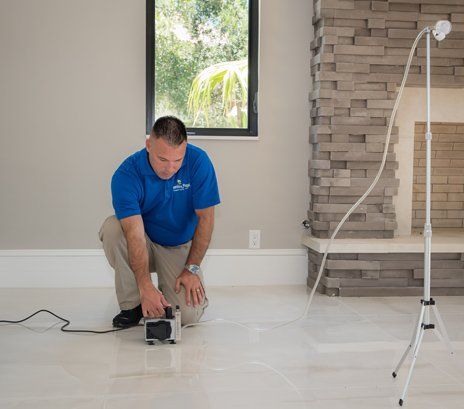
A Homeowner’s Guide: Mold Inspection Insights for Homes in Deerfield Beach
Most homeowners in Deerfield Beach don’t wake up thinking, “I need a mold inspection.” They start thinking about it after something feels off. A musty smell that won’t fully go away. Allergies that only act up at home. Mold that keeps coming back no matter how many times it gets cleaned. The house looks fine, yet something clearly isn’t right.
Why Mold Inspection Matters More in Deerfield Beach
Location plays a huge role in mold behavior.
Deerfield Beach Conditions That Increase Risk
Homes here deal with:
- Coastal humidity year-round
- Heavy air conditioning use
- Salt air that encourages condensation
- Slower drying after moisture events
Mold spores exist everywhere. What makes Deerfield Beach homes vulnerable is how long moisture sticks around once it gets inside.
Mold Rarely Starts Where Homeowners Notice It
Visible mold usually shows up late.
Where Mold Often Begins
During inspections in Deerfield Beach homes, mold commonly starts:
- Behind drywall
- Inside wall cavities
- In HVAC systems
- In attics
- Under flooring or cabinets
By the time mold becomes visible on a wall or vent, hidden growth often exists well beyond that one spot.
What Mold Inspection Actually Looks For
Inspection isn’t just a visual check.
What Professionals Evaluate
A proper mold inspection focuses on:
- Moisture levels inside materials
- Patterns of condensation
- Hidden mold growth
- HVAC system conditions
- Attic and wall cavity behavior
Inspection connects moisture sources to mold growth so remediation stays targeted instead of excessive.
Moisture: The Core of Every Mold Inspection
Mold doesn’t exist without moisture.
Common Moisture Sources Found During Inspections
In Deerfield Beach homes, inspections often trace mold back to:
- High indoor humidity
- AC condensation issues
- Slow plumbing leaks
- Roof or window intrusion
- Poor ventilation
Finding mold without finding moisture solves nothing. Inspection always prioritizes identifying where moisture stays active.
HVAC Systems Play a Bigger Role Than Homeowners Expect
HVAC systems shape mold spread.
What Inspectors Commonly Find
Inside HVAC systems, inspections often reveal:
- Mold on evaporator coils
- Standing water in drain pans
- Damp internal insulation
- Mold inside air handlers
Once mold reaches the HVAC system, spores circulate through the entire home. That’s why mold problems often feel widespread instead of isolated.
Attics: A Hidden Mold Contributor
Attics rarely get attention until inspection.
What We See in Deerfield Beach Attics
Attic inspections often uncover:
- Damp insulation
- Condensation on roof decking
- Mold near exhaust fans
Warm, humid air rises and gets trapped. Over time, attic mold spreads downward into ceilings and walls, increasing remediation scope.
Why Mold Keeps Coming Back After Cleaning
This is one of the biggest reasons homeowners call for inspections.
What Recurring Mold Usually Means
When mold returns:
- Hidden growth wasn’t addressed
- Moisture sources stayed active
- HVAC systems remained contaminated
Cleaning removes visible mold. Inspection reveals why it keeps returning.
Mold Inspection vs Mold Testing: Not the Same Thing
These get confused constantly.
How Inspection and Testing Differ
- Mold inspection identifies growth, moisture, and causes
- Mold testing confirms mold presence or exposure
Testing without inspection lacks context. Inspection without testing often provides enough information to move forward intelligently.
When Mold Testing Makes Sense
Testing isn’t automatic, but it has value.
Situations Where Testing Helps
Testing supports inspection when:
- Symptoms exist without visible mold
- HVAC contamination seems likely
- Indoor air quality concerns persist
- Documentation is required
Testing confirms exposure. Inspection explains where it’s coming from.
Health Symptoms Often Trigger Mold Inspections
Mold affects people before it damages surfaces.
Symptoms Homeowners Commonly Report
In Deerfield Beach homes, inspection calls often follow:
- Allergy symptoms indoors
- Headaches or fatigue
- Scratchy throat
- Symptoms improving outside the home
These patterns frequently lead inspectors to hidden mold growth.
Why Delaying Inspection Increases Costs
Inspection feels optional—until it isn’t.
How Waiting Changes Outcomes
Delaying inspection often leads to:
- Mold spreading deeper into materials
- HVAC system contamination
- Larger remediation areas
- Higher overall repair costs
Early inspection usually limits damage. Late inspection rarely does.
Mold Inspection Helps Avoid Over- or Under-Remediation
Guessing creates problems on both ends.
What Inspection Prevents
Inspection helps homeowners avoid:
- Unnecessary demolition
- Incomplete cleanup
- Repeat remediation
- Ongoing exposure
Knowing the full scope keeps solutions efficient and effective.
DIY Checks Rarely Replace Professional Inspection
Flashlights and test kits feel reassuring.
Why DIY Checks Miss Problems
DIY efforts often:
- Miss moisture inside walls
- Overlook HVAC contamination
- Fail to detect attic issues
Professional inspection uses tools and experience to read moisture behavior, not just visible mold.
Warning Signs That Inspection Is a Smart Move
Based on real inspections, these signs matter:
- Mold returning after cleaning
- Musty odors that come and go
- Condensation on vents or windows
- Stains slowly spreading
- Allergy symptoms indoors
Multiple signs usually mean inspection saves money.
Practical Steps Homeowners Can Take Before Mold Spreads
You don’t need panic. You need awareness.
Smart Homeowner Actions
- Monitor indoor humidity
- Address condensation early
- Maintain HVAC drainage
- Don’t ignore recurring smells
- Schedule inspection sooner rather than later
Each step reduces mold risk.
When Mold Inspection Should Happen Immediately
Don’t delay when:
- Mold appears in multiple areas
- HVAC systems smell musty
- Moisture stays active
- Health symptoms worsen indoors
At this stage, inspection becomes a cost-control tool.
What a Good Mold Inspection Provides
A proper inspection gives homeowners:
- Clear answers
- Identified moisture sources
- Defined remediation scope
- Peace of mind
It replaces uncertainty with clarity.
Final Thoughts: Mold Inspection Is About Control, Not Fear
Mold inspection in Deerfield Beach homes isn’t about hunting for worst-case scenarios. It’s about understanding how moisture behaves in a coastal Florida environment and stopping mold before it spreads. What we see inside homes proves that early inspection keeps problems smaller, simpler, and far less expensive.
Inspect early. Focus on moisture. Fix causes, not just stains. When homeowners treat mold inspection as a proactive step instead of a last resort, homes stay healthier and mold stays manageable.
