
A Homeowner’s Guide: Mold Remediation Insights for Homes in Tamarac
When homeowners hear “mold remediation,” it often sounds intimidating—expensive, disruptive, and complicated. After real remediation work and inspections in homes throughout Tamarac, the reality is far more practical. Mold remediation isn’t about panic or tearing a house apart. It’s about fixing conditions, not just cleaning surfaces.
This guide walks through what remediation really involves, what homeowners often misunderstand, and what actually works long-term in Tamarac homes.
What Mold Remediation Actually Means
One of the biggest misconceptions is confusing mold remediation with mold cleaning.
- Cleaning removes visible mold from surfaces
- Remediation addresses contaminated materials and the moisture that caused the growth
In Tamarac’s humid environment, remediation focuses on stopping mold from coming back—not just making it disappear temporarily.
Why Mold Keeps Coming Back Without Proper Remediation
From real homes, recurring mold almost always means one thing: the cause wasn’t fixed.
Common underlying issues include:
- High indoor humidity
- AC condensation or drainage problems
- Small plumbing leaks behind walls
- Materials that never fully dried
Without correcting these, even professional cleaning won’t last.
What Inspectors and Remediators Look for First
Before any remediation begins, experts focus on moisture.
In Tamarac homes, this usually means checking:
- Walls and ceilings with moisture meters
- Bathrooms and kitchens
- HVAC air handlers and drain pans
- Closets on exterior walls
- Areas with past water damage
Finding the moisture source is the most important step—everything else depends on it.
When Moldy Materials Need to Be Removed
Not all mold can be cleaned away.
Remediation often requires removal when:
- Drywall or insulation is contaminated
- Materials are soft, crumbling, or repeatedly moldy
- Mold has penetrated porous surfaces
This isn’t overkill—it’s how mold is permanently eliminated instead of masked.
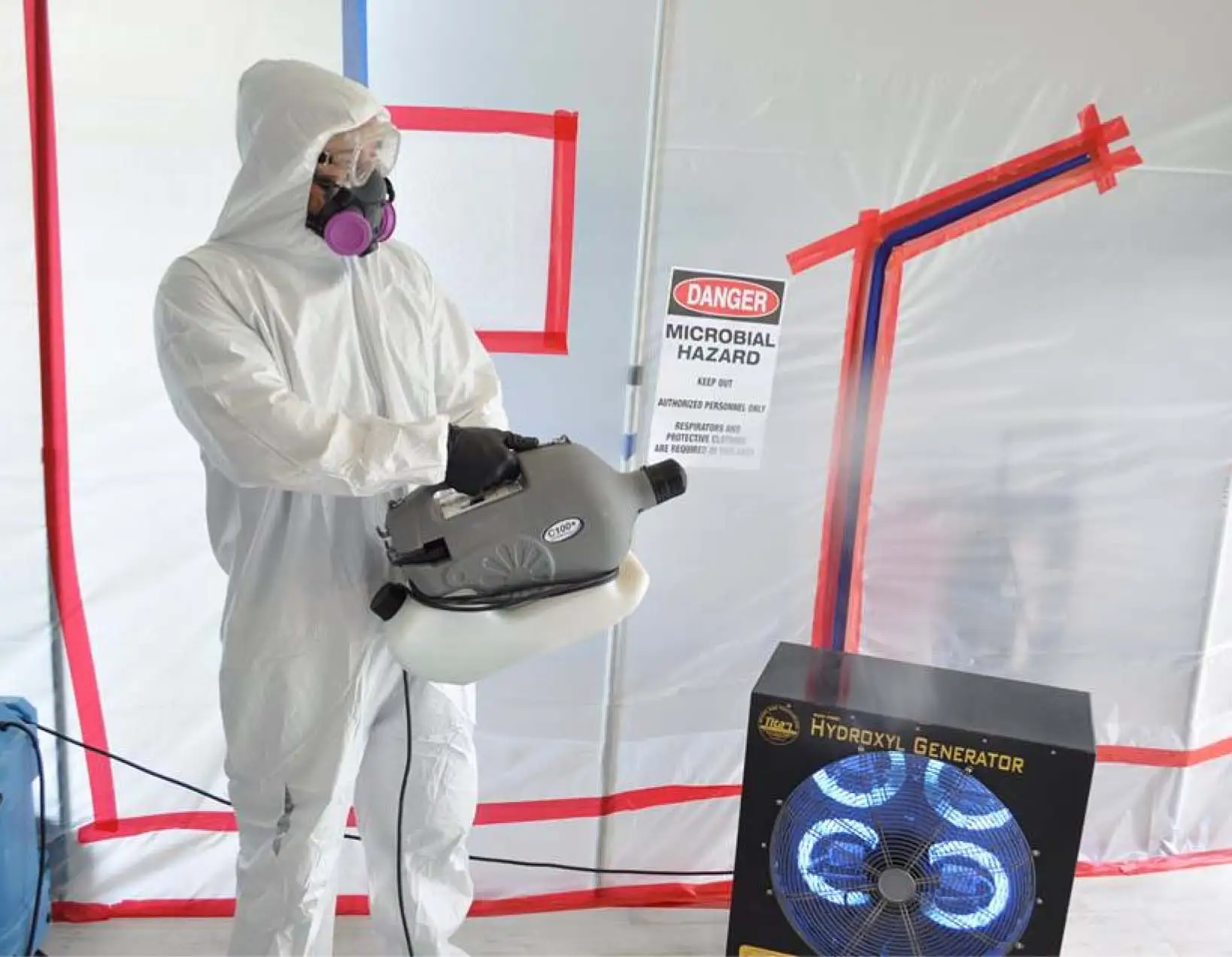
Why Containment Matters During Remediation
One thing homeowners rarely expect is containment—but it’s critical.
Proper remediation includes:
- Isolating affected areas
- Using air filtration to control spores
- Preventing mold from spreading to clean spaces
Skipping containment is one reason mold shows up later in other rooms.
HVAC Systems Are Often Part of the Plan
In many Tamarac homes, mold remediation involves the HVAC system.
Common findings include:
- Mold inside air handlers
- Moisture in drain pans or ductwork
- Systems distributing spores throughout the home
Remediation may include cleaning, correcting drainage, or addressing airflow issues to stop recontamination.
What Successful Mold Remediation Looks Like
Homes where mold doesn’t return follow a consistent process:
- Moisture source identified and fixed
- Contaminated materials removed when necessary
- Affected areas properly contained
- Airborne spores controlled during work
- Space dried thoroughly and humidity managed
When these steps are followed, mold loses the conditions it needs to survive.
Why Tamarac Homes Need a Careful Approach
Local conditions make mold remediation especially important:
- High humidity most of the year
- AC systems running almost nonstop
- Condensation inside walls and HVAC systems
- Limited airflow in spare rooms and closets
Shortcuts don’t hold up well here.
Common Homeowner Concerns (and the Reality)
- “Will my whole house be torn apart?”
Usually no. Most remediation is targeted once moisture is identified. - “Is remediation always expensive?”
Early action almost always costs less than waiting. - “Will mold come back?”
Not when moisture is truly corrected.
Final Takeaway for Tamarac Homeowners
Mold remediation isn’t about fear—it’s about doing the right work once instead of repeating surface fixes over and over.
In Tamarac homes, mold problems stop when moisture is controlled, contaminated materials are handled correctly, and shortcuts are avoided. When remediation is done properly, mold doesn’t keep coming back—it runs out of what it needs to grow.
That’s not hype. That’s what real homes keep proving.
