
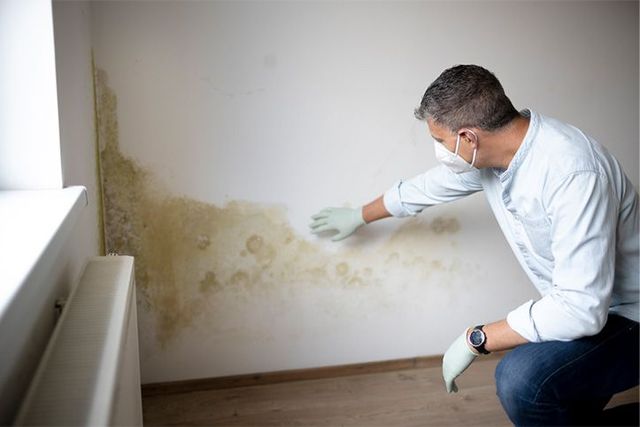
A Homeowner’s Guide: Mold Removal Insights for Homes in Lauderhill
If you own a home in Lauderhill, Florida, mold removal is not a “maybe someday” issue—it’s a very real, very common part of homeownership. Between high humidity, heavy rain, and nonstop air conditioning, mold doesn’t need much of an invitation to settle in. And once it does, it rarely stays where you can see it.
This guide breaks down what homeowners in Lauderhill actually need to know about mold removal—based on real-world inspections, real mistakes people make, and what actually works in South Florida homes.
Why Mold Removal Is So Common in Lauderhill
Lauderhill’s environment is almost tailor-made for mold growth. Warm temperatures, moisture in the air year-round, and older construction in many neighborhoods create ideal conditions.
Some of the most common triggers include:
- Constant AC use causing condensation
- Clogged or slow AC drain lines
- Minor roof leaks after storms
- Aging plumbing behind walls
- Slab leaks that go unnoticed
- Poor ventilation in bathrooms and kitchens
The key thing to understand is this: most mold problems start with moisture you never see.
Mold Removal vs. Mold Cleaning (They Are Not the Same)
One of the biggest mistakes homeowners make is assuming mold removal means wiping things down.
Here’s the reality:
- Mold cleaning = treating what’s visible
- Mold removal = eliminating contaminated materials and fixing the moisture source
In Lauderhill homes, mold often grows inside drywall, under flooring, behind cabinets, and inside HVAC systems. No spray or bleach solution can remove mold that’s living inside building materials.
If moisture stays, mold comes back. Every time.
Where Mold Is Most Often Removed in Lauderhill Homes
Based on real projects, mold removal is rarely limited to one obvious spot.
Common locations include:
- Behind bathroom walls near showers
- Under kitchen sinks and dishwashers
- Inside AC closets and air handlers
- Behind baseboards after water intrusion
- Inside wall cavities near plumbing lines
- Around ceiling penetrations from roof leaks
If mold is visible, there is usually more hiding nearby.
Why DIY Mold Removal Fails So Often
DIY mold cleanup is tempting—and understandable. But in Lauderhill, it usually fails for predictable reasons.
Most DIY attempts don’t work because:
- Moisture sources are never corrected
- Mold roots remain inside porous materials
- Hidden growth is completely missed
- HVAC systems continue spreading spores
That’s why homeowners often say, “I cleaned it, but it came back.”
It didn’t come back—it never left.
Moisture Control: The Foundation of Mold Removal
Every successful mold removal project starts with one question: Where is the moisture coming from?
In Lauderhill homes, moisture issues often involve:
- AC systems running constantly
- High indoor humidity
- Poor airflow in certain rooms
- Leaks that only appear during storms
- Condensation forming inside walls
Without addressing moisture, mold removal is only temporary.
HVAC Systems and Mold Removal in Lauderhill
Air conditioning systems are one of the most overlooked sources of mold problems.
Common HVAC-related mold issues include:
- Mold in AC drain pans
- Wet insulation inside air handlers
- Clogged drain lines backing up
- Condensation on ductwork
- Mold growth inside supply ducts
When HVAC contamination isn’t addressed, mold spores can circulate throughout the home—even after visible mold is removed elsewhere.
Health Symptoms That Often Lead to Mold Removal
Many homeowners don’t start looking for mold because they see it. They start because they feel it.
Common symptoms include:
- Persistent coughing or sneezing indoors
- Sinus pressure or sore throat at home
- Headaches that improve when leaving the house
- Increased allergy or asthma symptoms
- Fatigue with no clear explanation
When symptoms improve outside the home, indoor mold conditions are often a contributing factor.
Why Lauderhill Homes Need a Different Approach
Mold removal in Lauderhill isn’t the same as in drier climates.
