
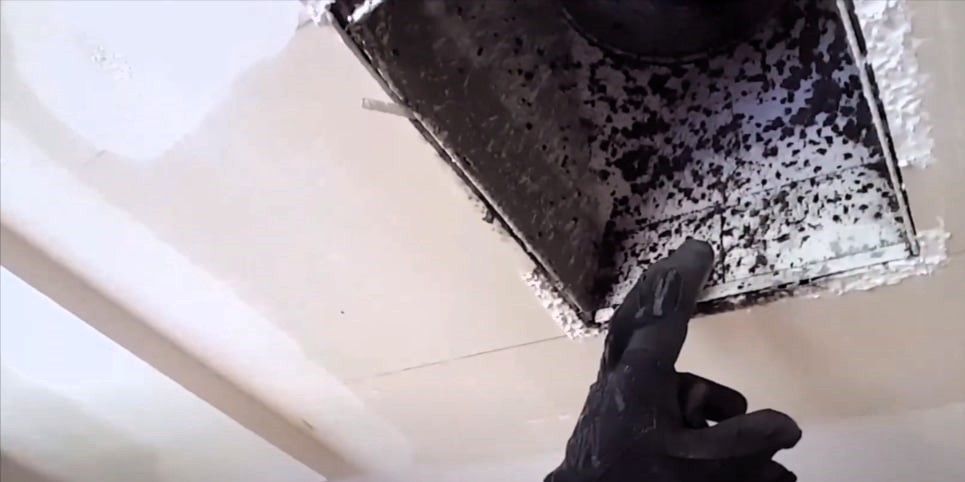
A Homeowner’s Guide: Mold Testing Insights for Homes in Oakland Park, Florida
If you own a home in Oakland Park, chances are you’ve heard mixed opinions about mold testing. Some people swear by it. Others say it’s a waste of money. The truth—like most things with mold—sits somewhere in the middle.
This guide breaks down mold testing in a clear, practical way, based on what experts actually see in Oakland Park homes. No scare tactics. No sales hype. Just straightforward insight so you can decide when mold testing makes sense, when it doesn’t, and what the results really mean.
Why Mold Testing Comes Up So Often in Oakland Park Homes
Oakland Park homes face constant mold pressure because of:
- High South Florida humidity
- Frequent rainstorms
- AC systems running most of the year
- Condensation in ducts and air handlers
- Older homes mixed with renovations
Mold is part of Florida life—but uncertainty is what drives homeowners to testing. When something smells off, symptoms don’t add up, or stains keep returning, people want answers.
That’s where mold testing enters the conversation.
What Mold Testing Actually Is (And What It Isn’t)
Let’s simplify it.
Mold testing is:
- A way to measure airborne or surface mold levels
- A tool to compare indoor air to outdoor air
- A method for identifying mold types (when needed)
Mold testing is not:
- A mold removal method
- A guaranteed health diagnosis
- Always necessary for visible mold problems
Testing provides information, not solutions. What you do with that information matters more than the test itself.
The Most Common Types of Mold Testing Used in Homes
1. Air Sampling
Air testing measures mold spores floating in the air.
Used when:
- Mold is suspected but not visible
- Odors persist
- Health symptoms worsen indoors
- Comparing indoor vs outdoor air quality
In Oakland Park homes, air testing is often used to identify hidden mold or HVAC-related issues.
2. Surface Sampling
Surface tests collect samples from visible growth or suspicious areas.
Used when:
- Discoloration appears on walls or ceilings
- Homeowners want confirmation before removal
- Identifying mold type is required
Surface testing answers what is growing—not how much is in the air.
3. Dust or Tape Samples
Less common but sometimes helpful for:
- Long-term exposure analysis
- Settled spores in HVAC systems
- Post-remediation verification
When Mold Testing Makes Sense (And When It Doesn’t)
Mold testing makes sense when:
- You smell mold but can’t find it
- Symptoms worsen indoors
- You’re buying or selling a home
- Mold keeps returning after cleaning
- Documentation is needed for insurance or peace of mind
Mold testing often isn’t needed when:
- Mold growth is clearly visible
- The moisture source is obvious
- Immediate removal is already planned
In many cases, visual mold + moisture = removal, not testing.
What Mold Testing Can Reveal in Oakland Park Homes
Testing often helps uncover:
- Hidden mold behind walls or cabinets
- HVAC-related mold spread
- Elevated indoor spore counts
- Moisture-driven mold growth patterns
One of the most valuable uses of testing is confirming whether indoor air quality is being affected, especially when mold isn’t obvious.
Common Myths About Mold Testing
Myth #1: “Any Mold Result Means Danger”
Reality: Mold is everywhere. Results must be interpreted in context—especially compared to outdoor levels.
Myth #2: “Testing Alone Solves Mold Problems”
Reality: Testing only provides data. Moisture control and remediation solve the problem.
Myth #3: “All Mold Types Are Toxic”
Reality: Many mold types are common environmental molds. Type alone doesn’t determine risk.
How Mold Test Results Are Interpreted (Simply)
Mold test results are not pass/fail.
Experts look at:
- Indoor vs outdoor spore levels
- Types of mold present
- Location of sampling
- Home conditions (humidity, leaks, HVAC)
High indoor levels compared to outdoor air often indicate an indoor source, even if it hasn’t been found yet.
Mold Testing and HVAC Systems
In Oakland Park homes, HVAC systems are a frequent testing focus because:
- They circulate air throughout the home
- Mold inside them affects every room
- Odors often originate from ductwork or air handlers
Testing can help confirm whether HVAC systems are contributing to indoor mold exposure.
Mold Testing During Real Estate Transactions
Mold testing is commonly requested during:
- Home purchases
- Pre-sale inspections
- Buyer concerns about odors or stains
In these cases, testing provides documentation, not drama. It helps buyers and sellers make informed decisions rather than assumptions.
What Mold Testing Will NOT Tell You
It’s important to be realistic.
Mold testing will not:
- Tell you exactly how sick someone is
- Replace a medical evaluation
- Fix moisture problems
- Eliminate the need for inspection
Testing works best alongside a professional assessment, not on its own.
Why Moisture Control Matters More Than Testing
From an expert standpoint, moisture is the real issue.
If moisture isn’t controlled:
- Mold will return
- Test results will change
- Remediation won’t last
Testing helps identify problems—but moisture control keeps them solved.
Practical Advice for Homeowners Considering Mold Testing
Before scheduling testing:
- Note where odors are strongest
- Track when symptoms appear
- Check humidity levels
- Look for visible moisture issues
Good testing starts with good questions, not panic.
Final Thoughts: Mold Testing Is a Tool—Not a Verdict
For homeowners in Oakland Park, mold testing can be incredibly helpful when used for the right reasons. It’s not about proving a home is “bad” or “toxic.” It’s about understanding what’s happening inside the walls and air—and making informed choices.
When paired with proper inspection and moisture control, mold testing becomes a smart decision tool—not a fear-based one.
