
DIY Cleaning Removes Stains, Not Mold Systems – What Florida Homeowners Need to Know
Here’s the hard truth: wiping off a mold stain does NOT fix the problem. Seriously, I can’t stress this enough.
After years of conducting mold inspection, mold testing, mold removal, and remediation in Florida homes, I’ve seen countless homeowners make the same mistake: they grab a spray bottle, scrub visible mold, and think the problem is gone. Spoiler alert: it’s not.
Mold is more than a surface issue — it’s a systemic problem hiding in porous materials, air ducts, and behind walls. DIY cleaning only scratches the surface and often makes matters worse. Let’s break down why this happens and what you should actually do.
Why DIY Cleaning Only Removes Stains
Most cleaning products and household solutions can remove visible mold — the black or green spots on walls, ceilings, or tiles. But here’s the kicker: the root system of mold (mycelium) often runs deep inside porous materials.
- Drywall: Mold penetrates 1–2 inches inside, and surface cleaning does nothing for hidden colonies.
- Wood: Even treated wood absorbs moisture, allowing mold to grow inside the grain.
- Insulation: Fiberglass or cellulose traps spores, which DIY wipes can’t reach.
- Air ducts: Mold grows inside the system and spreads spores, completely invisible from the vent cover.
Basically, wiping makes it look clean, but the underlying mold system continues to thrive. It’s like trimming the top of a weed while leaving the roots intact — eventually, it comes back, bigger than before.
Common Misconceptions About DIY Mold Cleaning
1. “Bleach kills everything”
People love bleach. It kills surface mold, yes, but it doesn’t penetrate porous materials, and spores remain alive beneath the surface. Plus, bleach can damage drywall and wood, making future remediation more complicated.
2. “If I can’t see it, it’s gone”
Invisible spores are already in your indoor air. Disturbing visible mold can release spores into your home, worsening air quality. DIY cleaning often spreads mold rather than eliminating it.
3. “It’s just cosmetic”
Visible mold stains are just the tip of the iceberg. The real problem is moisture and hidden growth. Without fixing leaks, humidity, or ventilation issues, mold will return — sometimes within days.
How Mold Systems Work
To understand why DIY cleaning fails, you need to know how mold grows:
- Spores land on a surface – spores are everywhere; they just need moisture to germinate
- Mycelium develops – the root-like structure penetrates porous materials to absorb nutrients
- Colony expands – spores reproduce and spread through air, walls, insulation, or ducts
- Visible growth appears – stains on walls, ceilings, or tiles are just the tip of the iceberg
The mycelium is hidden inside materials, which is why scrubbing the surface doesn’t stop mold growth.
Florida Homes Are Especially Vulnerable
South Florida and surrounding areas make mold problems worse:
- High humidity year-round fuels moisture retention
- AC condensation creates hidden damp spots in ducts and behind walls
- Storms and leaks introduce water into attics, roofs, and plumbing systems
- Porous construction materials like drywall and wood are everywhere
Even if your walls look dry, hidden moisture can allow mold systems to thrive. That’s why DIY surface cleaning often fails in Florida homes.
Health Risks of DIY “Cleaning”
Disturbing mold without proper containment exposes you and your family to airborne spores:
- Sneezing, coughing, and itchy eyes
- Aggravated asthma or respiratory conditions
- Headaches and fatigue
- Skin irritation
Yes, cleaning that black spot may make the wall look better, but it can temporarily increase indoor spore levels, triggering allergies or worse.
Why Air Ducts Are a Hidden Hotspot
Here’s the sneaky part: mold in your HVAC system can circulate spores throughout your home.
- Condensation on AC coils and drain pans creates an ideal growth environment
- Duct insulation can absorb moisture, feeding mold
- Airflow spreads spores into every room
DIY cleaning cannot reach inside ducts effectively. Professional HVAC cleaning is usually necessary to remove mold from the system and prevent recirculation.
Professional Mold Remediation vs DIY
Here’s the difference:
| Aspect | DIY Cleaning | Professional Remediation |
|---|---|---|
| Scope | Surface-only | Full system: walls, insulation, ducts, and hidden areas |
| Containment | None | Airborne spores contained with HEPA filtration |
| Moisture Control | Limited | Leaks fixed, humidity reduced, ventilation optimized |
| Long-term Results | Often fails | Significantly reduces recurrence |
| Health Risk | Can worsen exposure | Reduces spore levels safely |
DIY wipes = temporary cosmetic fix. Professionals = long-term solution.
Practical Steps for Homeowners
Even if you don’t call a professional immediately, here’s what you can do safely:
- Identify the moisture source – leaks, AC issues, or high humidity
- Ventilate affected areas – use fans and open windows if outdoor humidity is low
- Remove wet materials safely – small items like rugs or books can be dried outside
- Avoid scrubbing porous surfaces – this can spread spores
- Use HEPA filtration devices – capture airborne spores while waiting for remediation
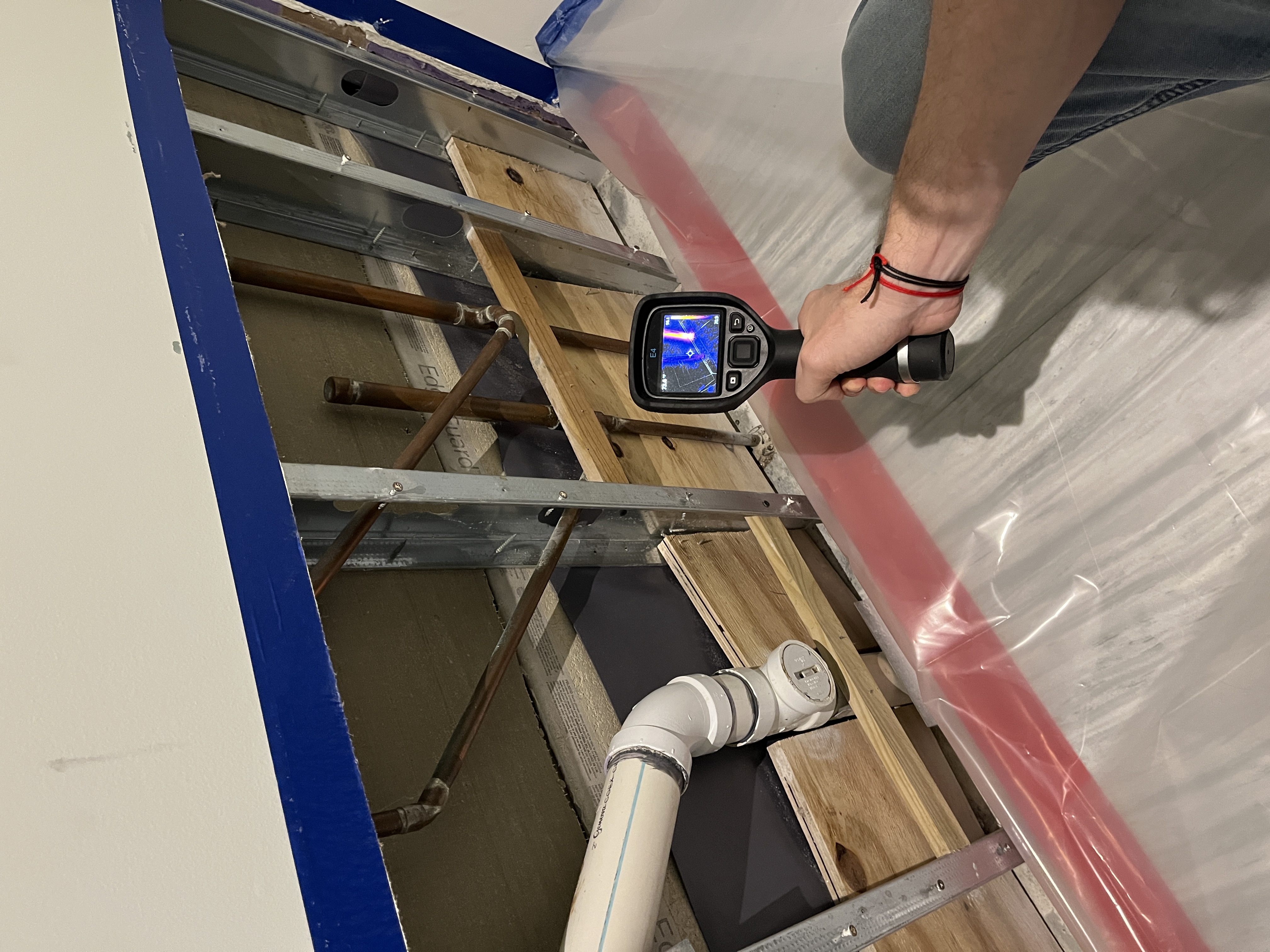
- Schedule a professional inspection – moisture meters and thermal imaging catch hidden growth
Following these steps minimizes spore spread and protects your health while addressing the root cause.
Why Ignoring Proper Remediation Costs More
Let’s break it down:
- Recurring mold: DIY wipes often fail to remove the mycelium, so mold returns
- HVAC contamination: spores spread, worsening allergies and air quality
- Structural damage: hidden moisture damages drywall, wood, and insulation
- Medical costs: prolonged exposure increases allergies, asthma attacks, and other respiratory issues
- Property value loss: undiscovered or recurring mold reduces home resale value
In short, trying to save money by DIY cleaning often leads to higher costs later.
Red Flags That DIY Cleaning Won’t Be Enough
Watch for these warning signs:
- Musty odors after cleaning
- Visible mold returning within days or weeks
- Allergic reactions indoors despite cleaning
- Water stains, bubbling paint, or warped drywall
- AC condensation or duct moisture
If any of these appear, professional intervention is needed — even if surfaces look clean.
Final Thoughts
DIY cleaning removes stains, not the underlying mold systems. In Florida homes, hidden mold in walls, ducts, and insulation thrives in humid conditions, AC condensation, and after minor leaks.
Trying to tackle it with household wipes:
- Looks temporary
- Can worsen indoor spore levels
- Leaves moisture and mycelium untouched
The smart approach? Identify moisture sources, avoid disturbing hidden mold, and schedule professional remediation. This protects your health, home, and wallet.
Remember: a clean wall is not the same as a clean home. Mold systems run deep — and only professional inspection and remediation stop them from returning.
Don’t let a quick wipe fool you. Take action, protect your indoor air, and keep your Florida home safe. Your sinuses, lungs, and peace of mind will thank you. 🙂
