
Early Warning Signs of Mold Growth – A Homeowner’s Guide for Homes in
Mold problems in Sunrise homes rarely start with obvious stains or visible patches. In most cases, mold begins quietly and shows warning signs long before homeowners realize there’s an issue. Knowing what to look for helps homeowners act early, avoid unnecessary repairs, and protect indoor air quality.
Sunrise’s warm temperatures, high humidity, and constant air conditioning create ideal conditions for mold growth. Because of this, even small changes in how a home smells, feels, or handles moisture can be early indicators that mold-friendly conditions are developing.
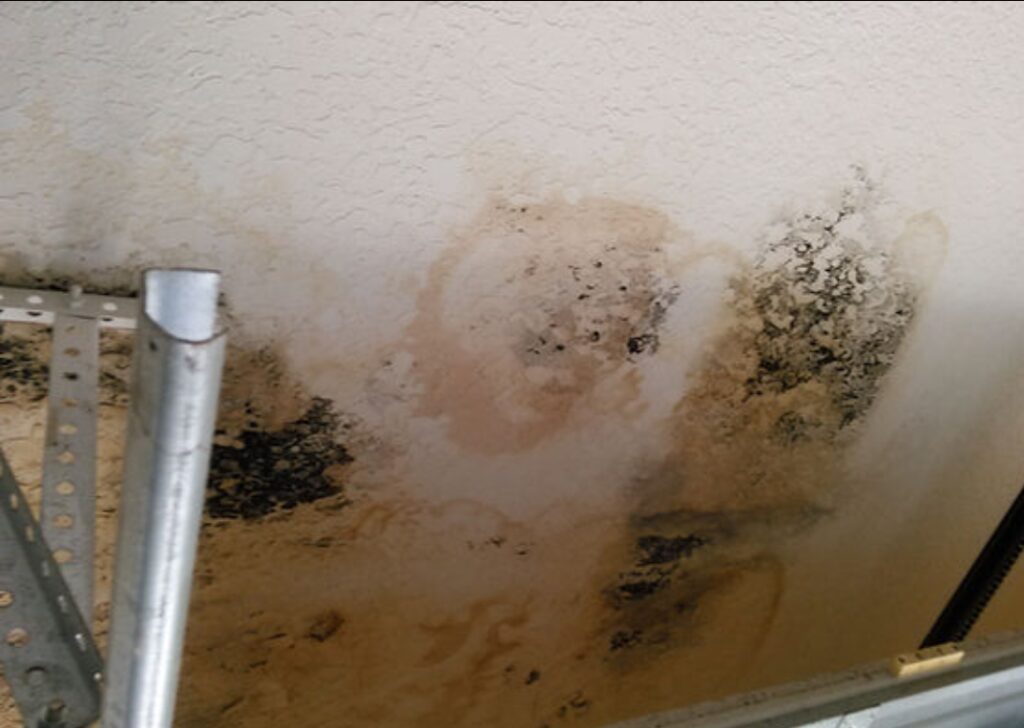
One of the most common early warning signs is a persistent musty odor. This smell may come and go at first and is often more noticeable when the home has been closed up or when the AC turns on. Musty odors usually indicate moisture buildup and early microbial growth, even if no mold is visible yet.
Excess indoor humidity is another key signal homeowners often overlook. When humidity stays high, moisture lingers on surfaces and inside materials. In Sunrise homes, this frequently happens without any obvious leaks.
Signs humidity may be too high include:
- Air that feels damp or heavy
- Condensation on windows or vents
- Difficulty keeping the home comfortable
High humidity alone can be enough to support mold growth over time.
Recurring condensation in certain areas is also an early warning sign. Condensation commonly appears around AC vents, exterior walls, and inside closets. When condensation happens repeatedly, moisture can soak into drywall, wood, and insulation, allowing mold to grow beneath the surface.
Another early indicator is mold or mildew that keeps coming back after cleaning. When mold returns in the same spot, it usually means moisture is still present behind or beneath the surface. Cleaning alone does not address the underlying cause.
This is often seen in:
- Bathrooms
- Around windows
- Near AC components
Recurring growth is a strong sign that deeper moisture issues exist.
Changes in indoor air quality can also signal early mold activity. Homeowners may notice air that feels stale, uncomfortable, or different than usual. These changes often happen gradually and are easy to dismiss as normal humidity, but they can indicate moisture and mold-related issues developing inside the home.
Subtle changes to walls or ceilings can also be early warning signs. These may include:
- Peeling or bubbling paint
- Slight discoloration
- Soft or warped drywall
These changes occur as moisture affects building materials, often before mold becomes visible.
HVAC-related odors or changes are another important indicator. Because HVAC systems handle moisture through condensation, mold often begins near air handlers or ductwork.
Homeowners may notice:
- Musty smells when the AC starts
- Odors moving from room to room
- Increased dust near vents
These signs often point to moisture-related issues within or near the HVAC system.
One of the biggest reasons mold problems grow worse is time. Mold does not need a major water event to start growing. Small amounts of moisture over long periods are enough. When early warning signs are ignored, mold has time to spread into surrounding materials.
Inspection data consistently shows that addressing early warning signs:
- Limits mold growth
- Reduces remediation needs
- Protects indoor air quality
- Lowers long-term costs
Homes that act early typically avoid extensive mold problems later.
In Sunrise homes, early detection is especially important due to year-round humidity and heavy AC use. Paying attention to odors, moisture behavior, and subtle changes helps homeowners stay ahead of mold issues.
Homes in benefit most when early warning signs are evaluated before mold becomes visible or widespread.
