
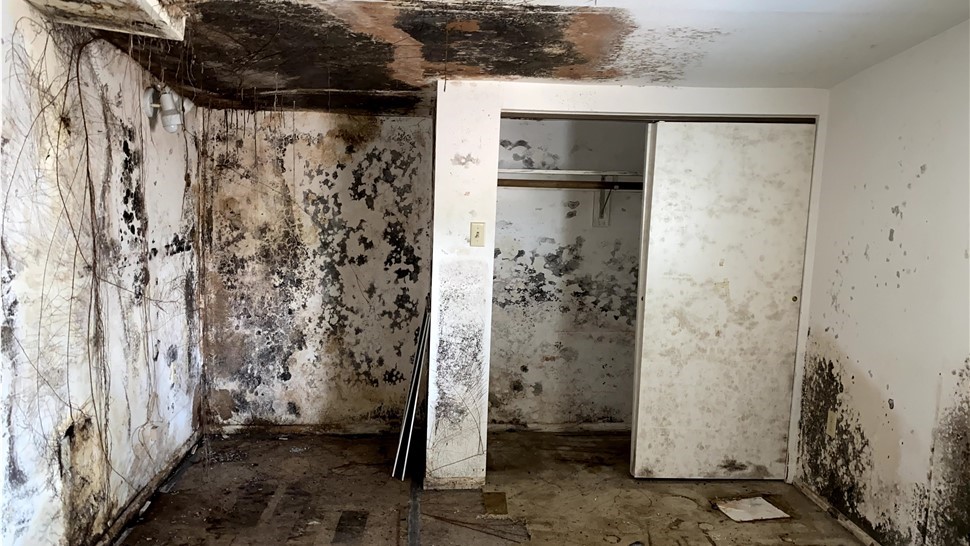
Early Warning Signs of Mold Growth – Lessons From Real Inspections for Homes in Pompano Beach
Mold almost never shows up unannounced. It leaves clues first—quiet ones that homeowners often dismiss as harmless or temporary. Homes in Pompano Beach prove this during real inspections over and over again. By the time mold becomes obvious, it usually feels way too comfortable.
After reviewing countless inspections, the same early warning signs keep appearing long before mold takes over.
Why Mold Problems Usually Start Quietly
Mold doesn’t need flooding or broken pipes. It needs moisture, warmth, and time. Pompano Beach homes provide all three almost year-round, which allows mold to develop quietly behind walls, ceilings, and floors.
Early mold growth often goes unnoticed because:
- No visible water damage exists
- Moisture hides inside building materials
- Humidity feels “normal” for South Florida
- Symptoms appear gradually
Ever think, “It’s probably nothing”? Mold loves that mindset.
Musty Odors: The Most Common Early Clue
That faint musty smell isn’t random. Inspections consistently show odors appearing long before visible mold does. Mold releases gases that people smell even when growth stays hidden.
Common odor sources include:
- Behind drywall
- Under flooring
- Inside AC closets
- Ductwork
- Behind baseboards
If a smell shows up when the AC runs and fades later, mold usually sits somewhere in the airflow path.
Condensation Where It Shouldn’t Exist
Moisture Always Leaves Clues
Condensation plays a bigger role in mold growth than most homeowners realize. Persistent moisture creates perfect conditions for mold even without leaks.
Inspectors often notice condensation on:
- AC vents and registers
- Windows and sliding doors
- Bathroom walls or ceilings
- Ceilings below attic spaces
IMO, condensation causes more mold than obvious leaks because it feels harmless and repetitive.
Subtle Stains and Surface Changes
Mold doesn’t always appear as dark patches. Early growth often shows up as discoloration or surface changes that homeowners paint over or ignore.
Common visual clues include:
- Yellow or brown ceiling stains
- Gray or green wall discoloration
- Peeling or bubbling paint
- Warped or separating baseboards
If stains keep coming back after repainting, moisture never left.
Allergy Symptoms That Only Happen at Home
One of the most overlooked warning signs shows up in people, not walls. Inspections often connect unexplained symptoms to hidden mold growth.
Watch for:
- Sneezing or congestion indoors
- Itchy eyes or throat
- Headaches at home
- Symptoms improving when away
FYI, mold doesn’t need to be visible to affect indoor air quality.
HVAC Systems as Early Mold Indicators
AC Systems Tell the Story First
HVAC systems move air constantly, which means they spread mold odors and spores quickly. Many inspections begin after homeowners notice changes when the AC runs.
Common HVAC warning signs include:
- Musty smells when the system turns on
- Excess dust buildup
- Visible moisture near vents
- Dripping or damp AC components
Ignoring HVAC clues allows mold to spread faster throughout the home.
Moisture Levels That Don’t Match What You See
During inspections, moisture meters often detect elevated levels in areas that look perfectly dry. That mismatch signals hidden moisture problems.
Inspectors frequently find:
- Wet drywall behind intact paint
- Damp insulation inside walls
- Moist framing near plumbing
- Elevated readings near windows or roofs
Hidden moisture almost always leads to mold if left untreated.
Small Water Events That Trigger Mold Growth
Homeowners often dismiss minor leaks or spills. Inspection data shows these “small” events cause many mold problems in Pompano Beach homes.
Common overlooked water events include:
- AC drain line backups
- Slow plumbing leaks
- Shower or tub overflows
- Roof leaks during storms
Mold doesn’t care if water damage feels minor. It only cares that moisture stayed.
What Mold Inspections Reveal About Early Growth
Mold inspections regularly uncover growth long before homeowners expect it. Many inspections catch mold early enough to limit damage—but only when people act.
Inspections often reveal:
- Mold behind baseboards
- Growth inside drywall
- Contaminated insulation
- Elevated indoor spore levels
- Moisture pathways feeding other rooms
Early inspections almost always cost less and solve problems faster.
Why Mold Testing Helps Confirm Early Signs
Data Turns Suspicion Into Answers
When warning signs exist but visible mold doesn’t, mold testing provides clarity. Air and surface samples show whether mold already affects indoor air.
Testing helps:
- Confirm hidden mold growth
- Measure indoor air quality
- Compare indoor and outdoor conditions
- Guide remediation decisions
Guessing delays action. Data speeds it up.
Why Mold Spreads Faster Than Expected
Mold spreads through microscopic spores that move easily through air. HVAC systems help distribute those spores once mold exists anywhere in the home.
This often leads to:
- Mold appearing in multiple rooms
- Odors spreading throughout the house
- Growth near vents and returns
- Air quality complaints
People often treat one area repeatedly, not realizing mold keeps circulating through the air.
The Cost of Ignoring Early Warning Signs
Inspection trends show the same outcome again and again. Homes that ignore early signs face larger and more expensive remediation later.
Delaying action often leads to:
- Widespread mold growth
- Removal of structural materials
- HVAC contamination
- Higher remediation costs
- Longer disruption
Catching mold early almost always saves money.
Why Pompano Beach Homes Face Higher Mold Risk
Homes in Pompano Beach deal with:
- High humidity year-round
- Coastal moisture influence
- Heavy AC usage
- Frequent storms and rain
- Condensation-prone construction
These conditions mean early warning signs deserve attention, not dismissal.
What Homeowners Should Do When Warning Signs Appear
Early action changes outcomes. Inspection data shows that addressing moisture early prevents mold from spreading.
Smart next steps include:
- Scheduling a mold inspection
- Checking moisture levels
- Identifying hidden water sources
- Correcting ventilation or drainage issues
Waiting rarely improves the situation.
Final Thoughts: Mold Rarely Appears Without Warning
Mold almost always leaves clues before it becomes obvious. Homes in Pompano Beach show that odors, condensation, stains, and unexplained symptoms often signal hidden growth long before mold takes over.
Paying attention early usually keeps mold manageable. Ignoring the signs almost always makes the problem bigger—and more expensive 🙂
