
Early Warning Signs of Mold Growth – Lessons From Real Inspections for Homes in South Florida
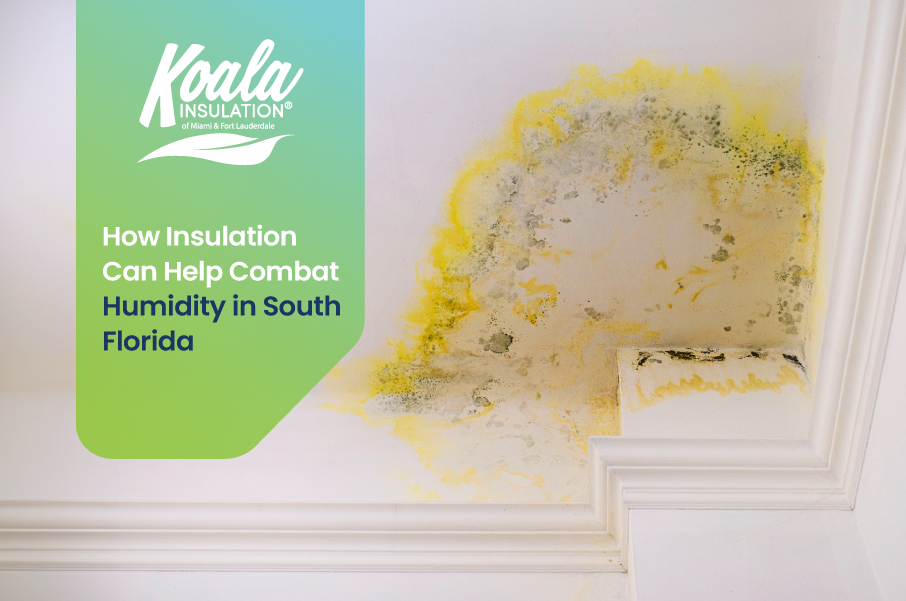
Mold problems in South Florida rarely start with dramatic black patches on the wall. In real inspections, mold almost always begins quietly—long before anything looks obviously wrong. By the time mold is visible, it’s often been growing for weeks or months behind walls, under floors, or inside HVAC systems.
Inspectors across South Florida see the same pattern again and again: the earliest warning signs are subtle, easy to ignore, and frequently misunderstood. This article breaks down the early indicators inspectors notice most often, why homeowners miss them, and how recognizing these clues early helps prevent mold from becoming a larger, more expensive problem—without panic or exaggeration.
Why Early Mold Signs Are Easy to Miss in South Florida
South Florida’s climate creates conditions where moisture behaves differently:
- High humidity most of the year
- Heavy rain and tropical storms
- Near-constant air-conditioning use
- Warm temperatures that slow drying
Because moisture is so common, many early mold warning signs feel “normal” to homeowners—even when they’re not.
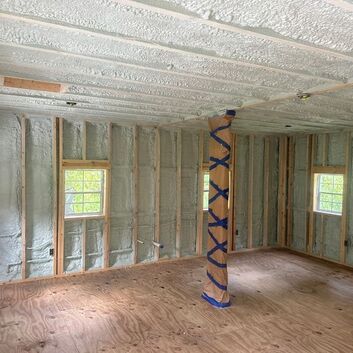
Warning Sign #1: Persistent Indoor Humidity
One of the earliest and most consistent inspection findings is humidity that never feels comfortable.
Inspectors often hear:
- “The house feels cool but still sticky”
- “It never really feels dry inside”
When indoor humidity stays elevated:
- Materials don’t fully dry
- Condensation forms more easily
- Mold spores have more opportunity to activate
High humidity alone—without leaks—can start mold growth in hidden areas.
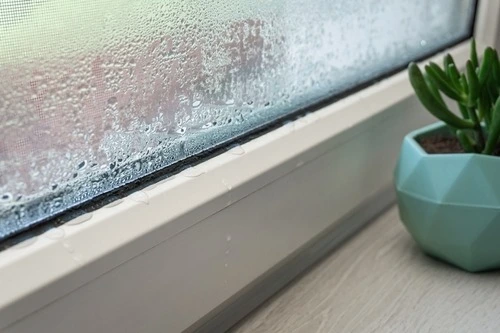
Warning Sign #2: Condensation That Keeps Coming Back
Condensation is often dismissed as harmless, but inspectors see it as an early red flag.
Common locations include:
- AC vents and registers
- Windows and sliding glass doors
- Around air handlers
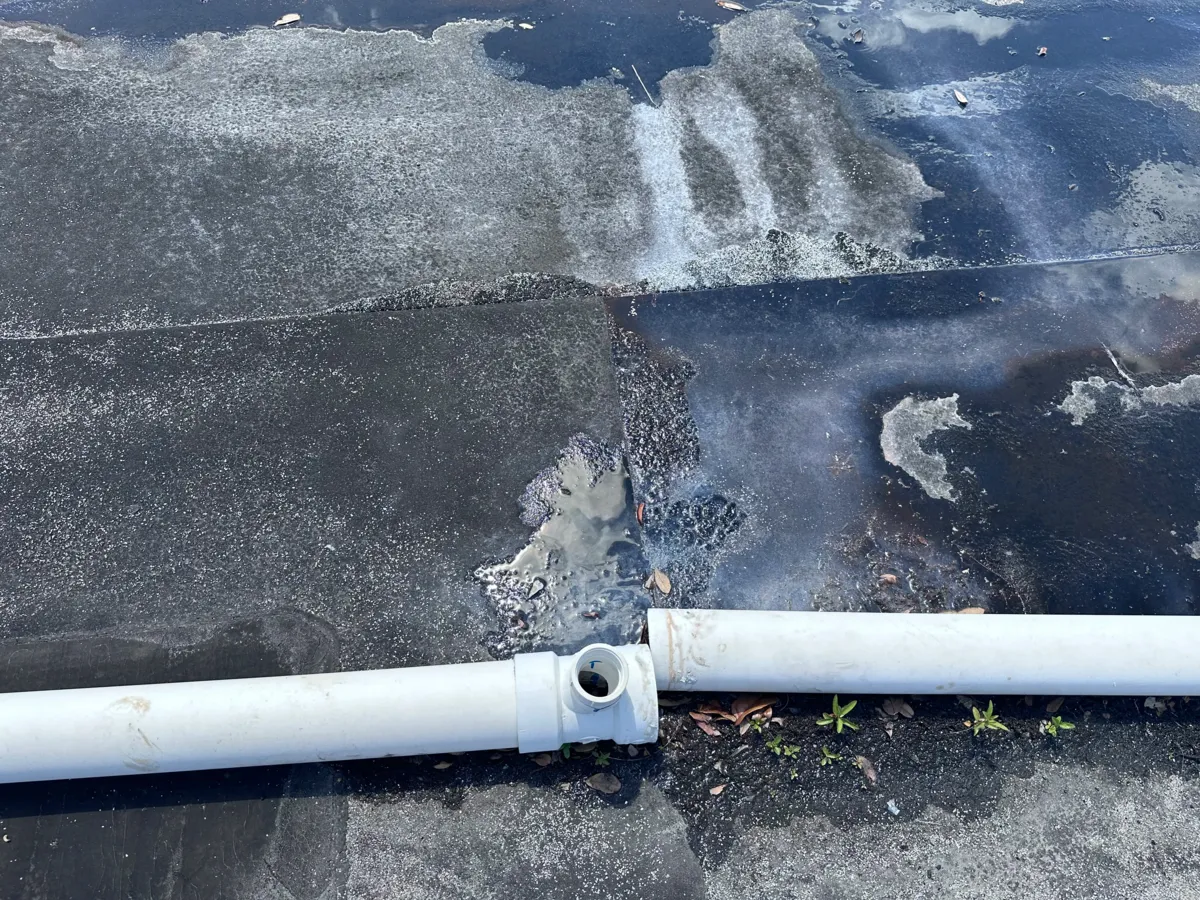
If condensation appears regularly, it means moisture is entering surfaces repeatedly. Over time, that moisture can soak into drywall, insulation, and framing—creating ideal mold conditions.
Warning Sign #3: Musty Odors That Come and Go
Homeowners often wait for a strong, constant smell. Inspectors know better.
Early mold odors are often:
- Faint
- Intermittent
- Noticeable only when the AC turns on
- Stronger after rain or high humidity
Because the smell disappears, it’s easy to ignore. Inspections frequently trace these intermittent odors back to hidden mold growth.
Warning Sign #4: Paint That Bubbles, Peels, or Changes Texture
Paint reacts quickly to moisture—often before mold is visible.
Inspectors commonly note:
- Bubbling paint
- Peeling or flaking
- Soft or uneven wall texture

These changes usually indicate moisture behind the wall, even if the surface looks mostly intact.
Warning Sign #5: Baseboards or Trim Pulling Away
Small details matter.
During inspections, early mold cases often show:
- Baseboards separating slightly from walls
- Trim that looks warped or uneven
- Gaps that weren’t there before
These changes often occur because moisture causes materials to swell and shift—an early sign that something behind the wall isn’t drying properly.
Warning Sign #6: Flooring That Feels “Off”
Flooring hides moisture extremely well.
Inspectors frequently find mold beneath floors when homeowners noticed:
- Soft spots
- Slight warping
- A hollow or spongy feel
- Edges lifting slightly

Surface floors can look fine while moisture and mold develop underneath.
Warning Sign #7: Recurring Mold in the Same Spot
If mold keeps returning after cleaning, inspectors see that as a major early warning sign.
This usually means:
- Moisture was never corrected
- Mold is growing deeper inside materials
- Cleaning removed stains, not the source
Recurring mold is not bad luck—it’s evidence that conditions haven’t changed.
Warning Sign #8: HVAC-Related Clues Homeowners Overlook
HVAC systems appear in a large number of early mold inspections.
Inspectors often notice:
- Musty smells when the AC starts
- Condensation near vents
- Dust returning quickly after cleaning

These signs often point to moisture inside HVAC components—long before visible mold appears elsewhere.
Warning Sign #9: Past Water Events That “Didn’t Seem Serious”
Many early mold problems trace back to water events homeowners forgot about:
- Brief roof leaks during storms
- Overflowing tubs or toilets
- AC drain backups
- Small plumbing leaks
If materials weren’t dried thoroughly, moisture can remain trapped long after the event is out of mind.
Warning Sign #10: Increased Allergy-Like Symptoms Indoors
Inspectors don’t diagnose health issues—but patterns matter.
Early mold cases often involve homeowners saying:
- “I feel better when I leave the house”
- “My allergies are worse indoors”
- “Symptoms are worse in the morning”
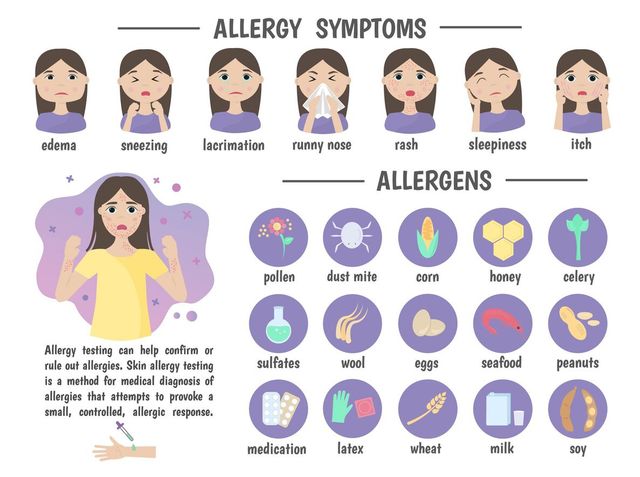
These symptoms don’t confirm mold—but combined with moisture signs, they often justify a closer look.
Why These Signs Are Commonly Ignored
From inspection experience, homeowners miss early signs because:
- They appear minor
- They don’t happen all the time
- The home still looks clean
- Florida humidity feels normal
Unfortunately, mold doesn’t need obvious conditions—it needs consistent moisture over time.
Why Early Detection Makes a Big Difference
Inspection histories show a clear trend:
- Early attention = localized moisture correction
- Delayed attention = wider mold growth
- Long delays = higher repair costs
Mold doesn’t suddenly become serious.
It becomes serious because early warnings were overlooked.
What Inspectors Focus On First
When inspectors see early warning signs, they prioritize:
- Moisture sources
- Humidity levels
- HVAC drainage and airflow
- Hidden spaces behind walls and floors
Stopping moisture early often prevents mold from becoming visible at all.
Practical Advice for South Florida Homeowners
No panic—just awareness:
- Pay attention to humidity and condensation
- Don’t ignore intermittent odors
- Investigate recurring mold spots
- Take paint and trim changes seriously
- Address water events thoroughly
These small actions often stop mold before it becomes a problem.
When a Closer Look Makes Sense
Based on real inspections, evaluation is wise when:
- Multiple warning signs appear together
- Moisture issues keep recurring
- Mold returns after cleaning
- HVAC systems show condensation issues
- Past water damage occurred
Clarity early prevents unnecessary stress later.
Final Thoughts: Early Signs Are the Home’s Warning System
In South Florida homes, mold almost never appears without warning. The signs are there—they’re just subtle, familiar, and easy to dismiss.
Homeowners who recognize early warning signs and respond calmly protect their homes, their air quality, and their budgets. Those who wait for obvious mold usually discover it much later than they wanted.
Early awareness isn’t fear.
It’s smart homeownership.
