
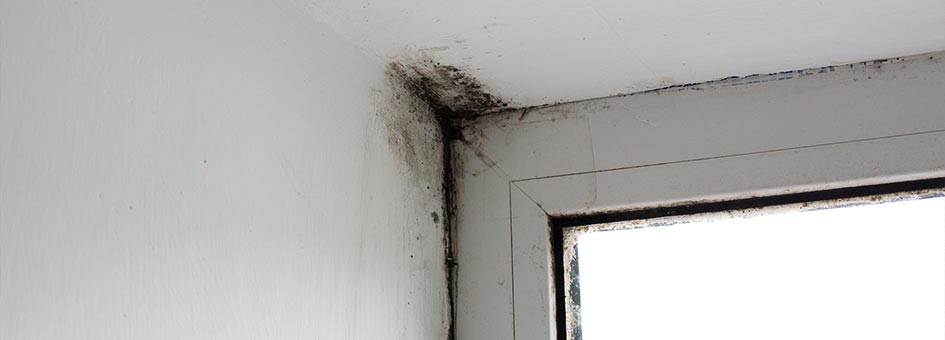
Mold rarely starts with a dramatic reveal. In Miramar, it usually begins with small, easy-to-ignore changes—air that feels off, a smell that comes and goes, or a room that never quite feels dry. We inspect plenty of homes where homeowners sensed something wasn’t right long before mold became visible. The problem wasn’t awareness. It was knowing which signs actually mattered.
This guide breaks down early warning signs of mold growth in Miramar homes, using practical advice from real inspections. No scare tactics. No exaggeration. Just the signals experts pay attention to before mold turns into a bigger, more expensive issue.
Why Early Mold Signs Get Missed in Miramar Homes
Living in Miramar means humidity stays high and air conditioning runs almost nonstop. Damp air feels normal here, which makes early mold indicators blend into everyday life.
Most homeowners assume:
- Mold would be obvious if it were serious
- A faint smell isn’t worth worrying about
- Allergies explain most symptoms
Inspections consistently show those assumptions delay action far longer than they should.
Musty Odors That Come and Go
One of the earliest and most reliable mold indicators is a mild musty smell that doesn’t stick around all the time. It may appear after the AC runs, early in the morning, or during humid weather.
We often hear:
- “It’s only noticeable sometimes”
- “It goes away after a while”
- “I thought it was just humidity”
That inconsistency usually points to hidden mold reacting to moisture and airflow changes.
Air That Feels Heavy or Stale
Before mold becomes visible, indoor air quality often changes. Rooms may feel damp, stuffy, or harder to breathe in—even when the home looks clean.
Common descriptions include:
- Air feeling thick or humid
- Rooms feeling stale despite AC use
- Smells lingering longer than usual
These changes often signal moisture conditions that support mold growth behind surfaces.
Small Water Stains That Never Change
A water stain doesn’t need to grow to matter. Many mold problems start behind old, unchanged stains that homeowners stop noticing.
During inspections, we frequently find:
- Old ceiling stains hiding active moisture
- Wall discoloration with damp drywall behind it
- Past leaks that never fully dried
A stain means water was present at some point. Mold only needs that history to get started.
Allergy-Like Symptoms That Happen Indoors
Early mold growth often shows up through health complaints before it shows up on walls. Many homeowners report symptoms that feel like allergies but follow a strange pattern.
Common early symptoms include:
- Congestion that worsens at home
- Sneezing or itchy eyes indoors
- Headaches that ease when leaving
- Fatigue without a clear cause
When symptoms improve outside the house, indoor conditions deserve a closer look.
Condensation in the Wrong Places
Condensation isn’t just a window issue in Miramar homes. Early mold risk often appears as moisture forming where it shouldn’t.
We commonly notice condensation:
- On AC vents
- Around air handlers
- Inside closets
- On walls near bathrooms
Condensation signals excess moisture—and excess moisture feeds mold quietly.
HVAC Odors When the System Starts
A brief musty smell when the AC turns on is one of the most overlooked warning signs we encounter. Homeowners often describe it as “old air” or “dirty vent smell.”
That odor often traces back to:
- Mold on evaporator coils
- Damp insulation inside air handlers
- Moisture in drain pans
Once HVAC systems get involved, mold exposure becomes whole-home, not room-specific.
Discoloration That Looks Like Dirt or Dust
Early mold growth doesn’t always look dramatic. It may appear as faint gray, brown, or greenish areas that resemble dust or smudging.
Common locations include:
- Bathroom ceilings
- Closet walls
- Baseboards
- Behind furniture
If discoloration keeps returning after cleaning, mold often hides beneath the surface.
Subtle Changes in Building Materials
Moisture often shows itself through material changes before mold becomes visible.
Early material warning signs include:
- Baseboards pulling away slightly
- Paint bubbling or peeling
- Drywall feeling soft in spots
- Cabinets swelling subtly
These changes usually indicate moisture exposure that increases mold risk.
Why Visual Checks Miss Early Mold Growth
Homeowners rely heavily on sight. Mold doesn’t. Early growth specializes in staying hidden.
That’s why a professional mold inspection focuses on conditions, not just appearances.
During inspections, experts evaluate:
- Moisture inside walls
- Indoor humidity levels
- HVAC systems
- Areas with past water intrusion
Early detection depends on measurements, not guesswork.
When Mold Testing Helps Confirm Early Signs
Not every early sign requires mold testing, but testing becomes useful when symptoms or odors exist without visible growth.
Testing helps when:
- Odors persist intermittently
- Health symptoms don’t add up
- Mold returns after cleaning
- Documentation matters
Testing often confirms problems early—before walls need to be opened.
Moisture Is Always the Root Cause
Every early warning sign of mold ties back to moisture. Mold spores exist everywhere. Moisture decides whether they stay dormant or grow.
In Miramar homes, common moisture sources include:
- AC condensation
- High indoor humidity
- Slow plumbing leaks
- Inadequate ventilation
Early signs mean moisture already stayed active long enough to matter.
Why Ignoring Early Signs Gets Expensive
Early mold growth usually stays localized and manageable. Ignoring warning signs gives mold time to spread into walls, HVAC systems, and structural materials.
Delays often lead to:
- Larger remediation areas
- HVAC contamination
- Material replacement
- Higher overall cost
Early action almost always limits damage and expense.
Mold Removal vs. Mold Remediation at the Early Stage
At early stages, the difference between mold removal and mold remediation matters a lot.
- Mold removal addresses existing growth
- Mold remediation corrects moisture conditions
Addressing both early prevents mold from becoming a repeat problem.
Why Miramar Homes Need Early Awareness
Homes throughout Broward County face mold pressure, but Miramar adds dense neighborhoods, sealed homes, and constant AC use.
Inspection trends often show:
- Elevated indoor humidity
- HVAC systems that rarely fully dry
- Moisture trapped inside walls
- Condensation-driven growth
These factors make early warning signs especially important.
Real Inspection Insight: “I Thought I Was Overreacting”
One Miramar homeowner noticed a faint smell when the AC ran and occasional headaches indoors. No visible mold existed. Inspection revealed elevated humidity, moisture behind a bathroom wall, and early HVAC mold growth.
Early remediation stayed limited. Waiting would’ve allowed the problem to spread much further.
How Experts Stop Mold at the Early Stage
Professional evaluation focuses on confirming early signs and stopping moisture before mold spreads.
Effective early response includes:
- Targeted mold inspection
- Moisture mapping
- HVAC evaluation
- Preventive remediation when needed
Catching mold early avoids invasive work later.
How Often Homes Should Be Checked
In humid climates, early mold signs can develop quickly.
Experts recommend evaluations:
- Annually
- After water leaks
- When odors appear
- When symptoms persist indoors
Early checks cost far less than late remediation.
Preventing Mold After Early Warning Signs
Once early signs appear, prevention becomes critical.
Effective prevention includes:
- Managing indoor humidity
- Maintaining HVAC systems
- Fixing leaks immediately
- Using ventilation consistently
Small adjustments make a big difference when done early.
Final Thoughts: Early Signs Are Warnings, Not Emergencies
Early warning signs of mold growth in Miramar homes don’t require panic—but they do require attention. Mold doesn’t rely on fear to cause problems. It relies on moisture and time.
The solution stays consistent: thorough mold inspection, targeted mold testing when appropriate, proper mold removal, and complete mold remediation. Address early signs, and mold rarely gets the chance to become a major issue.
If your Miramar home feels off—air quality, comfort, or unexplained symptoms—don’t wait for visible mold to confirm it. Early warning signs exist to save money, protect your home, and stop small problems from turning into expensive ones later.
