
Early Warning Signs of Mold Growth – Practical Advice From Experts for Homes in North Lauderdale
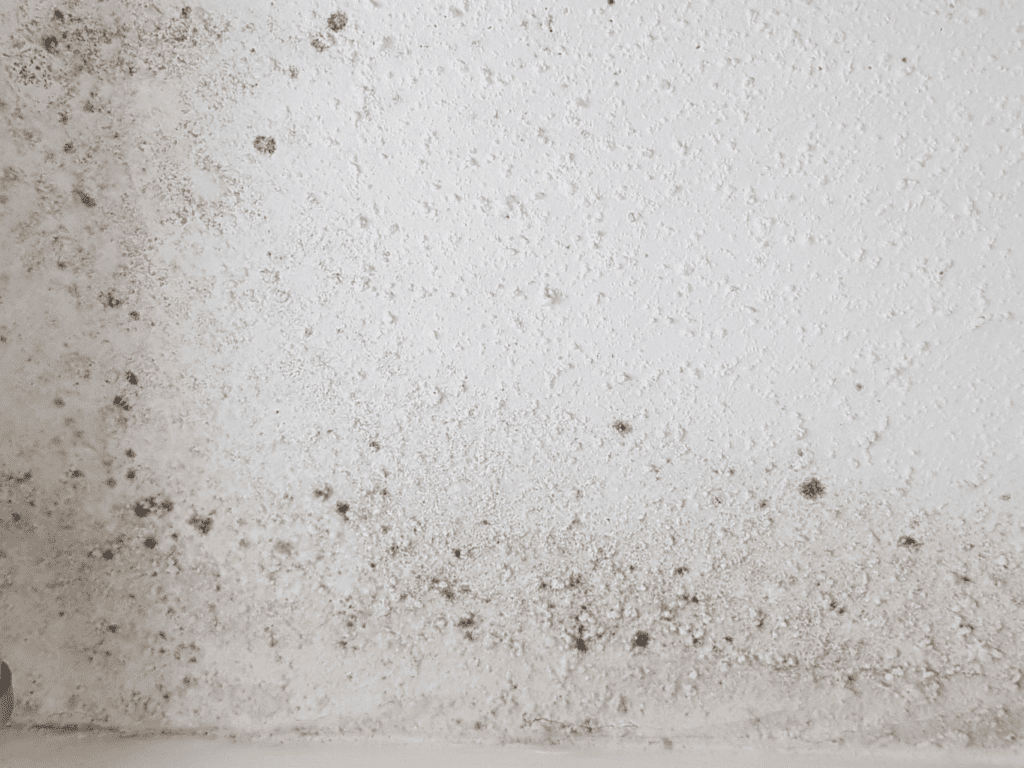
If you live in North Lauderdale, mold problems rarely start with a dramatic black patch on the wall. They usually begin quietly—with small changes most homeowners overlook. By the time mold is obvious, it’s often been growing for weeks or even months.
Based on what experts consistently see inside real homes, this guide explains the early warning signs of mold growth, why they’re easy to miss in North Lauderdale homes, and what to do before a small moisture issue turns into an expensive remediation project.
Why Early Detection Matters in North Lauderdale
North Lauderdale homes face the same challenges seen across South Florida:
- High year-round humidity
- Frequent rain and storms
- Heavy air-conditioning use
- Tightly sealed homes with limited airflow
These conditions allow mold to develop fast—and hide well. Catching early signs doesn’t just save money; it often prevents health and air-quality problems too.
Musty or Earthy Odors That Don’t Go Away
One of the earliest and most reliable mold indicators is smell.
Warning signs include:
- A damp, earthy, or musty odor
- Smells strongest in the morning or after AC runs
- Odors that linger even after cleaning
Experts often find that when homeowners notice a smell but see no mold, growth is already active behind drywall, under flooring, or inside HVAC systems.
If your home smells “old” or “damp” despite being clean, that’s not normal.
Indoor Humidity That Always Feels High
Humidity is mold’s best friend—and one of its first clues.
Early humidity-related warnings:
- Home feels sticky even with AC running
- Windows fog up regularly
- Condensation forms on vents or walls
- Closets feel damp
Experts recommend keeping indoor humidity below 55%. In North Lauderdale homes, consistent readings above that level often lead to mold growth—even without leaks.
Condensation Where It Shouldn’t Be
Condensation isn’t just a comfort issue—it’s an early mold signal.
Watch for:
- Water droplets on windows or frames
- Sweating AC vents or ductwork
- Damp spots on ceilings or walls
- Moist baseboards
Condensation means moisture is settling—and mold doesn’t need standing water to grow.
Paint Bubbling, Peeling, or Discoloration
Small cosmetic changes often point to hidden moisture.
Early visual clues include:
- Bubbling or blistering paint
- Peeling near baseboards or ceilings
- Faint yellow or brown staining
- Warped or soft drywall
Experts frequently find mold growing behind these areas long before homeowners see anything suspicious on the surface.
Persistent Allergy or Respiratory Symptoms at Home
Health symptoms are often the clue that triggers inspections.
Common early complaints include:
- Sneezing or congestion that improves outside the home
- Dry cough or throat irritation
- Headaches or fatigue indoors
- Worsening asthma or allergies
When symptoms are noticeably worse at home, experts often discover hidden mold affecting indoor air quality, especially in HVAC systems.
Closets and Low-Airflow Rooms Smell “Off”
Mold loves still air.
High-risk areas in North Lauderdale homes include:
- Closets on exterior walls
- Guest rooms rarely used
- Laundry rooms
- Bedrooms with closed doors most of the day
A musty closet—even with no visible mold—is one of the most common early warnings experts encounter.
HVAC Clues Most Homeowners Miss
Because AC runs almost year-round in North Lauderdale, HVAC systems are frequent mold hotspots.
Early system-related signs:
- Musty smell when AC turns on
- Odors strongest near vents
- Excess moisture in drain pans
- Filters clogging faster than usual
Experts often find mold on coils, inside air handlers, or in ductwork—long before it becomes visible in living spaces.
Minor Leaks You Think Are “Handled”
Small leaks are often dismissed—but mold doesn’t dismiss them.
Early-risk scenarios include:
- Past roof leaks after storms
- Slow plumbing leaks under sinks
- AC drain line backups
- Window or door water intrusion
Even if repairs were made, residual moisture can remain trapped and support mold growth long after the leak stops.
Why Mold Often Appears “Suddenly”
Homeowners frequently say:
“It showed up overnight.”
In reality:
- Mold was growing behind the surface
- Humidity reached a tipping point
- Moisture spread quietly
- Conditions finally allowed visible growth
Mold doesn’t appear suddenly—it becomes visible suddenly.
DIY Cleaning That Keeps Failing
Repeated cleaning in the same spot is a major red flag.
If you notice:
- Stains returning after wiping
- Odors that come back
- Mold reappearing after cleaning
Experts usually find moisture and mold behind the surface—not on it.
Why North Lauderdale Homes Are Especially Vulnerable
Experts see faster mold progression here due to:
- Warm temperatures year-round
- High humidity with limited seasonal breaks
- Heavy AC use that creates condensation
- Modern construction that traps moisture
What might dry naturally elsewhere often stays damp here.
What Experts Recommend When You Notice Early Signs
Early action is simpler and cheaper than remediation.
Practical expert advice includes:
- Measure indoor humidity (don’t guess)
- Investigate odors instead of masking them
- Don’t paint or clean over moisture signs
- Check HVAC systems regularly
- Address leaks immediately—even small ones
Early investigation often prevents wall removal, duct contamination, and large repair bills.
What Not to Do When Mold Is Suspected
Experts consistently warn against:
- Using bleach on unknown growth
- Running household fans on moldy areas
- Ignoring musty smells
- Assuming new homes are immune
- Waiting for visible mold to “confirm” a problem
These delays usually make problems worse—not clearer.
Prevention Tips for North Lauderdale Homeowners
To reduce mold risk:
- Keep indoor humidity below 55%
- Use bathroom and laundry exhaust fans longer
- Service HVAC systems regularly
- Avoid pushing furniture tightly against exterior walls
- Address condensation early
Prevention costs far less than removal.
Final Thoughts: Early Signs Are Your Best Protection
Mold growth in North Lauderdale homes rarely starts as an emergency. It starts with small, quiet warnings—odors, humidity, condensation, minor stains, or subtle health changes. Experts see the same pattern repeatedly: homeowners who act early avoid major repairs, while those who wait often face extensive mold removal.
The biggest mistake isn’t finding mold.
It’s ignoring the early signs that tried to warn you.
When you know what to look for—and respond early—you stay in control of your home, your air quality, and your long-term costs.
