

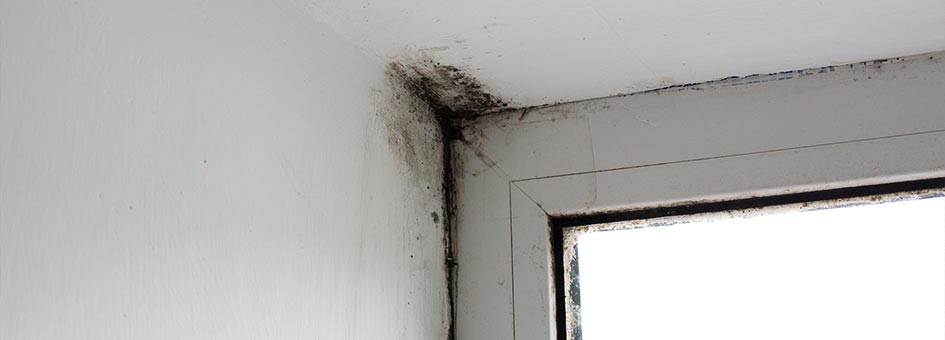
Mold almost never starts with a big, obvious problem. In Florida homes, it usually begins with small changes that feel easy to explain away—air that feels heavier than usual, a smell that comes and goes, or a room that never seems to fully dry. We inspect homes all over the state where homeowners noticed these signs early but didn’t realize they were seeing the science of mold growth in real time.
This article explains the early warning signs of mold growth in Florida homes, breaking the science down simply and clearly. No fear tactics. No exaggeration. Just how mold actually works, why these signs appear, and why catching them early saves money and stress later.
Why Early Mold Signs Get Missed in Florida Homes
Living in Florida means heat, humidity, and air conditioning are part of daily life. Moisture feels normal here, which makes early mold indicators blend into the background.
Most homeowners assume:
- Mold would be obvious if it were serious
- A faint smell doesn’t mean much
- Allergies explain most indoor symptoms
Science—and inspections—show those assumptions delay action far too often.
Mold Growth Science, Explained Simply
Mold growth isn’t mysterious. It follows basic rules.
Mold needs only three things:
- Moisture
- A surface to grow on
- Time
Mold spores already exist everywhere. They stay harmless until moisture sticks around long enough. Early warning signs are simply evidence that moisture isn’t leaving when it should.
Musty Smells That Appear and Disappear
A musty odor doesn’t come from nowhere. Mold releases microscopic gases as it grows. Early on, those gases don’t stay constant.
Why the smell comes and goes:
- Humidity increases mold activity
- HVAC airflow moves odors intermittently
- Temperature changes affect moisture levels
If a smell shows up after the AC runs or during humid weather, that’s a scientific clue—not a coincidence.
Air That Feels Heavy, Damp, or Stale
Before mold becomes visible, indoor air quality often changes. Homeowners describe it as air that feels “off.”
Common descriptions include:
- Thick or sticky air
- Rooms feeling stale despite AC
- Smells lingering longer than usual
Higher humidity slows evaporation and keeps particles suspended longer. That environment supports mold growth even when surfaces look clean.
Old Water Stains That Never Change
A water stain doesn’t need to grow to matter. Stains show where moisture entered before—and that history matters.
During inspections, we often find:
- Dry-looking stains hiding damp drywall
- Past leaks that never fully dried
- Moisture trapped inside wall cavities
Mold grows where moisture stayed, not where stains look worst.
Condensation in the Wrong Places
Condensation forms when warm, moist air meets cooler surfaces. In Florida homes, that happens constantly due to heavy AC use.
Early warning locations include:
- AC vents
- Closet walls
- Around air handlers
- Bathroom ceilings
Condensation means moisture is actively collecting, which puts nearby materials into the mold growth zone.
HVAC Smells When the System Starts
That brief musty smell when the AC turns on isn’t “old air.” It’s basic physics and biology working together.
Common causes include:
- Mold on evaporator coils
- Damp insulation inside air handlers
- Moisture sitting in drain pans
When airflow starts, it pushes mold byproducts into living spaces. That’s why the smell often fades after a few minutes.
Discoloration That Looks Like Dust or Smudges
Early mold growth often looks unimpressive. It may resemble dirt or dust rather than obvious mold.
We commonly see it on:
- Bathroom ceilings
- Closet corners
- Baseboards
- Behind furniture
If discoloration keeps returning after cleaning, mold usually exists within the material, not just on it.
Subtle Changes in Materials
Moisture changes building materials before mold becomes visible.
Early material warning signs include:
- Paint bubbling or peeling
- Baseboards pulling away slightly
- Drywall feeling soft in spots
- Cabinets swelling subtly
These changes happen because materials absorb moisture long before mold shows up on the surface.
Allergy-Like Symptoms With a Pattern
Science explains why mold-related symptoms feel inconsistent. Exposure changes with airflow, humidity, and activity.
Early symptoms often include:
- Congestion that worsens indoors
- Headaches at home
- Fatigue without explanation
- Symptoms improving when leaving the house
When symptoms follow location instead of seasons, indoor conditions deserve attention.
Why Visual Checks Miss Early Mold Growth
Mold prefers dark, low-airflow areas. Visual checks catch problems late because early growth stays hidden.
That’s why a professional mold inspection focuses on conditions, not just what’s visible.
During inspections, professionals evaluate:
- Indoor humidity levels
- Moisture inside walls
- HVAC system conditions
- Areas with past water intrusion
Science-based detection relies on measurements, not appearances.
When Mold Testing Helps at the Early Stage
Not every early sign requires mold testing, but testing becomes useful when symptoms or odors exist without visible growth.
Testing helps when:
- Odors persist intermittently
- Health symptoms don’t add up
- Mold keeps returning after cleaning
- Documentation matters
Testing confirms airborne exposure before damage becomes obvious.
Moisture Is Always the Trigger
Every early warning sign connects back to moisture physics. Mold spores stay dormant until moisture sticks around long enough.
In Florida homes, common moisture sources include:
- AC condensation
- High indoor humidity
- Slow plumbing leaks
- Poor ventilation
Early signs mean moisture already stayed active longer than it should have.
Why Ignoring Early Signs Gets Expensive
Early-stage mold problems usually stay localized and manageable. Ignoring warning signs allows mold to spread into walls, HVAC systems, and structural materials.
Delays often lead to:
- Larger remediation areas
- HVAC contamination
- Material replacement
- Higher overall cost
The science stays simple: more time equals more growth.
Mold Removal vs. Mold Remediation at the Early Stage
Understanding this difference early saves money.
- Mold removal eliminates existing growth
- Mold remediation corrects moisture conditions
Early remediation prevents mold from becoming a repeat problem instead of a one-time fix.
Why Florida Homes Need Extra Awareness
Homes throughout Broward County and across the state face constant mold pressure due to climate alone.
Inspection trends often show:
- Elevated indoor humidity
- HVAC systems that rarely fully dry
- Moisture trapped inside walls
- Condensation-driven growth
These conditions make early warning signs especially important in Florida.
Real Inspection Insight: “It Was Easy to Ignore”
One Florida homeowner noticed occasional musty smells and mild headaches indoors. No visible mold existed. Inspection revealed elevated humidity, moisture behind a bedroom wall, and early HVAC mold growth.
Addressing it early kept remediation limited. Waiting would’ve allowed spread into multiple areas.
How Experts Stop Mold Early
Professional response focuses on stopping moisture before mold spreads.
Effective early action includes:
- Targeted mold inspection
- Moisture mapping
- HVAC evaluation
- Preventive remediation when needed
Early action avoids invasive and expensive work later.
How Often Florida Homes Should Be Evaluated
In humid climates, mold-friendly conditions develop quickly.
Experts recommend evaluations:
- Annually
- After water leaks
- When odors appear
- When symptoms persist indoors
Early evaluations always cost less than late remediation.
Preventing Mold After Early Signs Appear
Once early signs show up, prevention becomes critical.
Effective prevention includes:
- Managing indoor humidity
- Maintaining HVAC systems
- Fixing leaks immediately
- Using ventilation consistently
Small adjustments interrupt mold’s growth cycle effectively.
Final Thoughts: Early Signs Are Just Science in Action
Early warning signs of mold growth in Florida homes aren’t dramatic or mysterious. They’re simply the science of moisture, air, and materials interacting over time. Mold doesn’t rely on fear—it relies on conditions.
The solution stays consistent: thorough mold inspection, targeted mold testing when appropriate, proper mold removal, and complete mold remediation. Address early signs, and mold rarely gets the chance to become a serious problem.
If your Florida home feels off—air quality, comfort, or unexplained symptoms—don’t wait for visible mold to confirm it. The science always shows up first.
