
Early Warning Signs of Mold Growth – The Science Explained Simply for Homes in Lauderhill
Mold almost never shows up overnight. It gives warnings first. The problem is most homeowners don’t realize those warnings mean anything until mold becomes impossible to ignore. In Lauderhill homes, we see this pattern constantly. Small signs get brushed off as humidity, dust, or normal wear, while mold quietly gains ground.
The science behind early mold growth isn’t complicated. Mold follows moisture, airflow, and time. Once you understand how those pieces work together, the warning signs start making sense. Let’s break down what early mold growth looks like, why it happens, and what real inspections in Lauderhill homes consistently reveal.
Mold Always Starts With Moisture
Mold cannot grow without moisture. That rule never changes. Before mold appears, moisture always shows up first.
In Lauderhill homes, moisture often comes from:
- High indoor humidity
- AC condensation issues
- Small plumbing leaks
- Roof or window leaks after rain
Early mold growth begins when moisture stays longer than it should. The longer it lingers, the more likely mold becomes.
Musty Smells Are One of the Earliest Warnings
Odors Come Before Visible Mold
That faint, earthy smell isn’t “old house odor.” It’s often mold releasing gases as it grows.
During inspections, musty odors usually indicate:
- Mold growing behind walls
- Growth above ceilings
- Mold inside HVAC systems
If a smell appears when the AC turns on or in one specific room, mold often exists somewhere nearby.
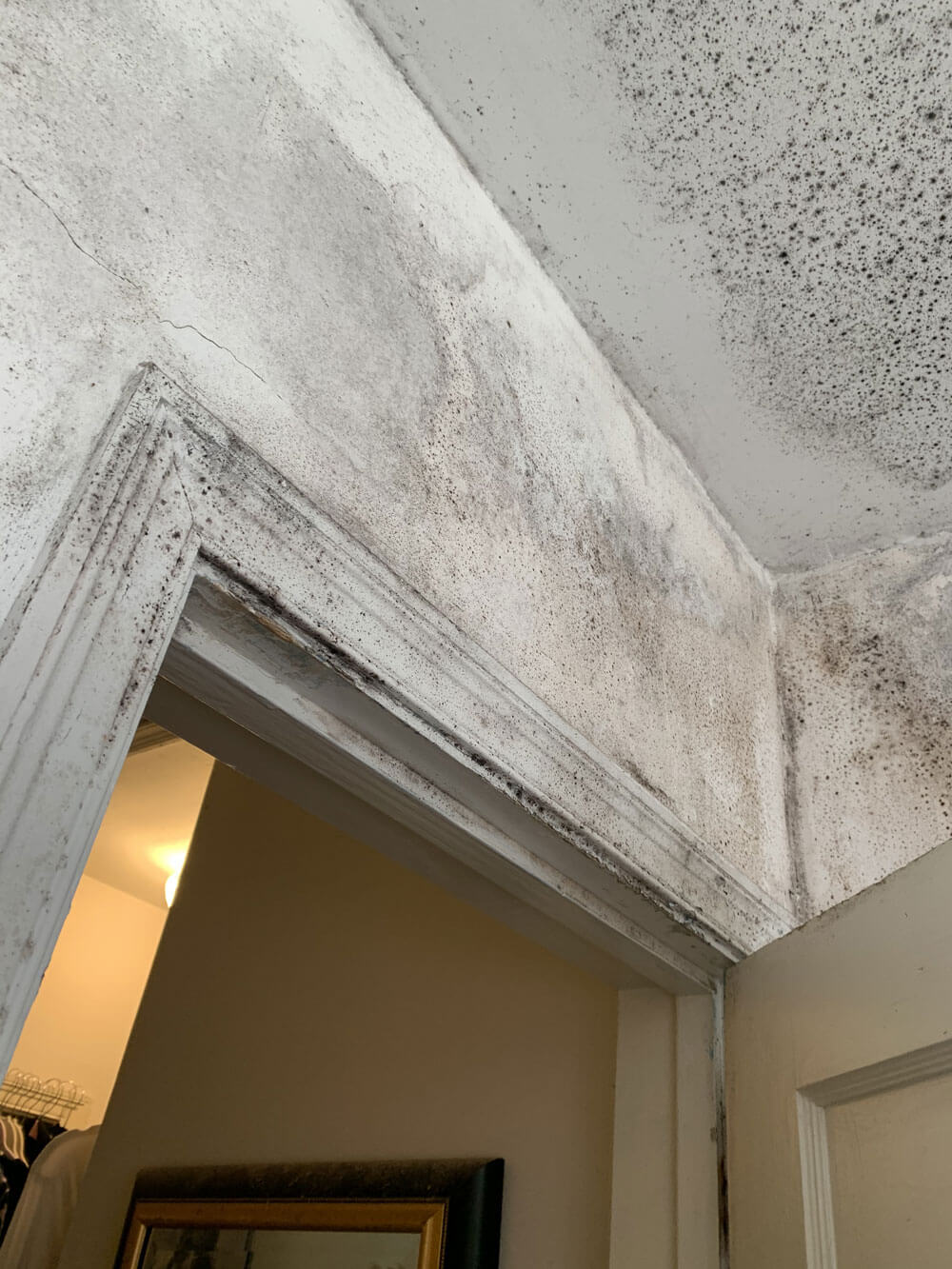
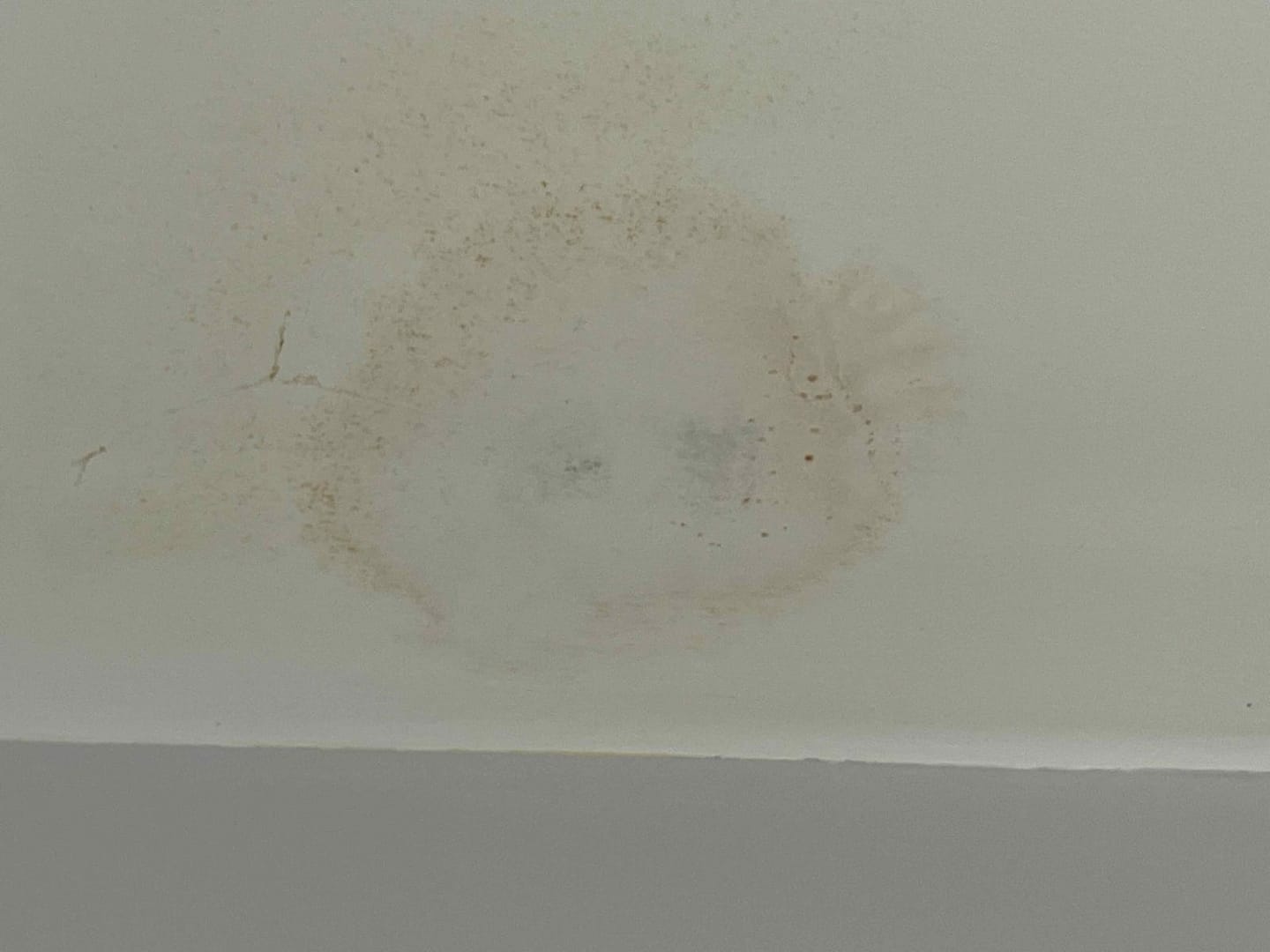
Discoloration Doesn’t Always Look Like Mold
Early mold growth rarely looks dramatic. It often blends in with normal wear.
Common early discoloration includes:
- Slight yellow or brown stains
- Light gray or green speckling
- Areas that look “dirty” but won’t clean
Homeowners often repaint or wipe these areas, but the discoloration usually returns because the moisture remains.
Condensation Is a Major Red Flag
Moisture Where It Shouldn’t Exist
Condensation shows up when warm, humid air meets cooler surfaces. In Lauderhill homes, this happens often.
Condensation commonly appears:
- Around AC vents
- On windows and frames
- Inside HVAC ductwork
Condensation feeds mold growth quietly. If it appears regularly, mold often follows.
Paint and Drywall Changes Signal Trouble
Paint reacts quickly to moisture. That reaction provides early clues mold may follow.
Watch for:
- Bubbling or peeling paint
- Soft or spongy drywall
- Cracks forming where moisture collects
These changes mean materials stay damp internally, even if they feel dry on the surface.
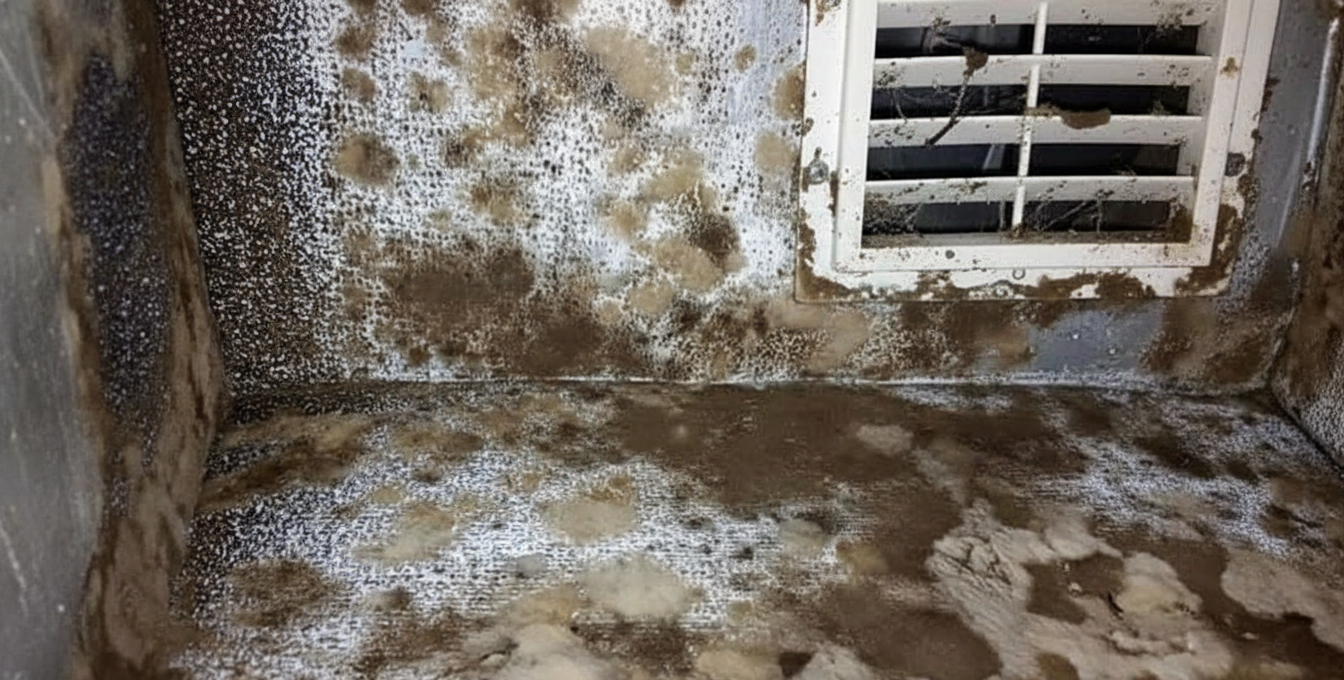
HVAC Systems Show Early Mold Clues
Mold Often Starts in the Air System
HVAC systems create condensation naturally. When moisture doesn’t drain or dry properly, mold begins forming inside.
Early HVAC-related warning signs include:
- Musty smells when AC starts
- Dust sticking to vent edges
- Black or dark buildup inside vents
Mold inside HVAC systems spreads spores long before visible mold appears elsewhere.
Allergy Symptoms Often Appear Before Mold Is Visible
Many homeowners notice health changes before they see mold.
Early mold exposure often causes:
- Sneezing or congestion indoors
- Headaches that improve outside
- Itchy eyes or throat irritation
When symptoms ease after leaving the house, indoor air quality often plays a role.
Why Lauderhill Homes Face Higher Mold Risk
Lauderhill homes deal with conditions mold loves.
Risk factors include:
- High humidity most of the year
- Heavy AC use
- Older construction materials in some areas
- Limited ventilation in certain layouts
These conditions allow moisture to linger, creating perfect early mold growth conditions.
Mold Grows Behind Walls First
Visible mold usually represents a late-stage problem. Early mold growth prefers hidden spaces.
Inspections often reveal early mold:
- Inside wall cavities
- Behind baseboards
- Under sinks and cabinets
- Above ceilings
By the time mold appears on walls, it has often existed elsewhere for weeks or months.
Why DIY Cleaning Misses Early Mold Growth
DIY cleaning focuses on surfaces. Early mold growth rarely stays on surfaces.
DIY efforts fail because they:
- Don’t detect hidden moisture
- Miss mold inside walls and ducts
- Ignore airflow patterns
Without addressing moisture, cleaning only delays visible signs.
How Mold Uses Time to Its Advantage
Mold doesn’t rush. It grows steadily as long as conditions stay favorable.
Early-stage mold:
- Grows slowly
- Stays hidden
- Releases spores gradually
This slow progression explains why homeowners feel caught off guard when mold suddenly becomes visible.
What Mold Inspections Look for Early
Early mold inspections focus on conditions, not just growth.
Inspectors evaluate:
- Moisture levels in materials
- Condensation patterns
- Airflow from HVAC systems
- Humidity levels throughout the home
Finding moisture early prevents mold from becoming established.
Why Ignoring Early Signs Makes Mold Worse
When early warnings get ignored, mold gains time.
Delayed response allows:
- Mold to spread deeper
- Materials to deteriorate
- Air quality to decline
The earlier moisture gets addressed, the easier mold becomes to control.
What the Science Tells Us About Prevention
Preventing mold growth isn’t complicated. It’s about breaking the mold formula.
Effective prevention focuses on:
- Controlling indoor humidity
- Addressing condensation quickly
- Fixing leaks immediately
- Maintaining HVAC systems properly
Remove moisture, and mold loses its ability to grow.
Lessons From Real Inspections in Lauderhill
From real inspections, one lesson stands out clearly. Mold always gives warning signs first.
Homes that develop major mold problems almost always show:
- Long-term moisture issues
- Repeated condensation
- Early symptoms that went unnoticed
Recognizing early signs changes the outcome entirely.
Final Thoughts: Early Signs Are Mold’s Weak Spot
Mold becomes a serious problem only when it gets time and moisture. Early warning signs exist to give homeowners a chance to act.
In Lauderhill homes, understanding the science behind early mold growth removes guesswork and panic. When you recognize the signs early, mold becomes manageable instead of overwhelming.
The takeaway is simple and practical:
Mold doesn’t start big. It starts quietly—and the early signs always come first.
