
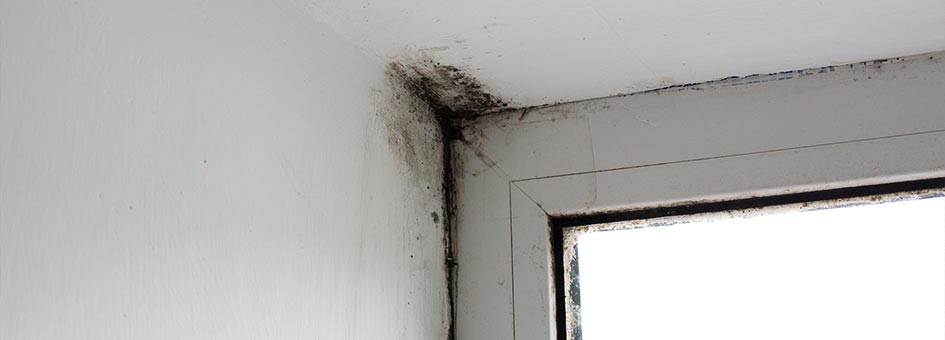
Early Warning Signs of Mold Growth – What We See Inside Homes in Pembroke Pines
Most homeowners don’t miss mold because they don’t care. They miss it because mold starts quietly. No dramatic stains. No overpowering smell. Just small signals that feel easy to brush off. We see this pattern constantly inside homes in Pembroke Pines.
By the time mold becomes obvious, it usually isn’t new. It has been growing for weeks or months while everyone assumed the house felt “normal.” Early warning signs always show up first. You just need to know where to look. Let’s walk through what we actually see during inspections and why those early clues matter so much.
Why Mold Starts Quietly in Pembroke Pines Homes
Pembroke Pines homes deal with a perfect storm for mold growth. Warm weather. High humidity. Heavy AC use. Tight construction. Mold doesn’t need a flood. It needs moisture and time.
Florida Homes Hide Moisture Well
Most mold growth starts where homeowners don’t regularly check:
- Inside walls
- Behind cabinets
- Above ceilings
- Inside HVAC systems
- Under flooring
That’s why early signs feel subtle instead of obvious. Mold grows out of sight first.
Musty Odors That Come and Go
This one gets ignored constantly.
What Intermittent Smells Really Mean
Homeowners notice a faint musty smell:
- After the AC runs
- Early in the morning
- During humid days
- In one room, then another
Because the smell disappears, people assume it’s nothing. In reality, temporary odors usually signal hidden mold reacting to humidity or airflow changes. Mold doesn’t need to smell strong to exist.
Allergy Symptoms That Feel “Normal”
We hear this all the time. “It’s probably just allergies.” Sometimes it is. Often, it isn’t.
Mold-Related Symptoms We See First
Early mold exposure often causes:
- Sneezing indoors
- Sinus pressure
- Itchy eyes
- Scratchy throat
- Mild headaches
The giveaway? Symptoms improve outside the home. When that pattern shows up, mold deserves attention.
Condensation Where It Shouldn’t Exist
Condensation tells a moisture story before mold appears.
Warning Condensation Areas
We treat condensation seriously when we see it:
- On air vents
- On windows daily
- On ductwork
- Around supply registers
Persistent condensation means moisture keeps feeding surfaces. Mold usually follows soon after.
Discoloration That Doesn’t Look Like Mold (Yet)
Mold doesn’t always start black or green.
Early Visual Clues Homeowners Miss
During inspections, we find:
- Light yellow staining
- Gray smudges
- Faint brown spotting
- Uneven paint discoloration
People assume dirt, aging, or poor paint quality. In reality, these often mark early microbial growth or moisture damage.
Peeling Paint or Bubbling Drywall
Paint reacts fast to moisture.
Why Paint Problems Matter
When moisture builds behind walls:
- Paint loses adhesion
- Drywall softens
- Surfaces bubble or warp
These changes often appear before visible mold growth. Paint doesn’t fail without a reason.
Mold That Keeps Coming Back After Cleaning
This sign almost never lies.
Recurring Mold Means a Hidden Source
If mold:
- Returns in the same spot
- Appears in nearby areas
- Spreads after cleaning
Then cleaning didn’t solve the problem. It only removed surface growth. Hidden moisture or HVAC contamination usually drives repeat growth.
HVAC Clues Most Homeowners Overlook
HVAC systems quietly amplify mold problems.
Early HVAC Warning Signs
We pay attention when homeowners report:
- Musty smells when the AC turns on
- Increased dust buildup
- Allergy symptoms throughout the house
- Mold appearing in multiple rooms
These signs often trace back to moisture or mold inside air handlers or ductwork. HVAC systems distribute spores efficiently.
The Bathroom and Laundry Room Trap
These rooms feel obvious, which makes them dangerous.
Why “Expected Moisture” Gets Ignored
Bathrooms and laundry rooms often show:
- Mold near vents
- Ceiling discoloration
- Persistent dampness
Because moisture feels normal here, homeowners delay action. That delay allows mold to spread into walls and ceilings.
Attic Warning Signs That Stay Hidden
Attics rarely get checked unless something leaks.
What We Find in Pembroke Pines Attics
Early attic mold signs include:
- Damp insulation
- Dark roof decking patches
- Rusted nails
- Condensation stains
Attic mold often spreads downward over time, affecting ceilings and wall cavities without obvious clues.
Why Early Mold Rarely Looks Scary
Fear-based images online don’t match reality.
Mold Starts Small and Boring
Early mold growth:
- Looks patchy
- Appears faint
- Smells mild
- Causes subtle symptoms
That’s exactly why people miss it. Mold doesn’t announce itself loudly at first.
Mold Inspection: Catching Problems Early
Early warning signs only matter if someone investigates them.
What Professional Mold Inspection Reveals
A proper inspection identifies:
- Hidden mold growth
- Moisture sources
- HVAC contamination
- Areas at risk of spread
Inspection turns vague symptoms into clear answers. It removes guesswork completely.
Mold Testing: When Early Signs Need Confirmation
Testing doesn’t always add value, but early symptoms sometimes justify it.
Situations Where Testing Helps
We recommend testing when:
- Symptoms exist without visible mold
- Air quality concerns persist
- HVAC contamination appears likely
- Documentation matters
Testing confirms exposure levels and helps prioritize remediation when needed.
Why Moisture Always Matters More Than Mold
Mold only grows when moisture allows it.
Early Moisture Sources We Find
In Pembroke Pines homes, moisture usually comes from:
- AC condensation issues
- Plumbing leaks
- Poor ventilation
- High indoor humidity
Stopping moisture early often prevents mold from fully developing.
The Cost of Ignoring Early Warning Signs
Early signs feel harmless. They never stay that way.
What Happens When Homeowners Wait
Delaying action leads to:
- Larger mold growth areas
- More invasive remediation
- HVAC contamination
- Higher costs
- Ongoing health symptoms
Early inspections cost far less than late remediation.
When Homeowners Should Take Action
Not every sign means panic. Patterns matter.
Act When You Notice:
- Recurring musty odors
- Symptoms that worsen indoors
- Mold returning after cleaning
- Condensation that persists
- Stains or paint changes
These signs rarely appear alone. Together, they tell a clear story.
Final Thoughts: Early Signs Save Homes and Money
Mold problems don’t start big. They start quietly and grow patiently. For homeowners in Pembroke Pines, understanding early warning signs makes all the difference.
Catching mold early protects air quality, limits damage, and keeps costs manageable. The signs always show up first. Knowing how to recognize them keeps small problems from becoming expensive ones later.
