
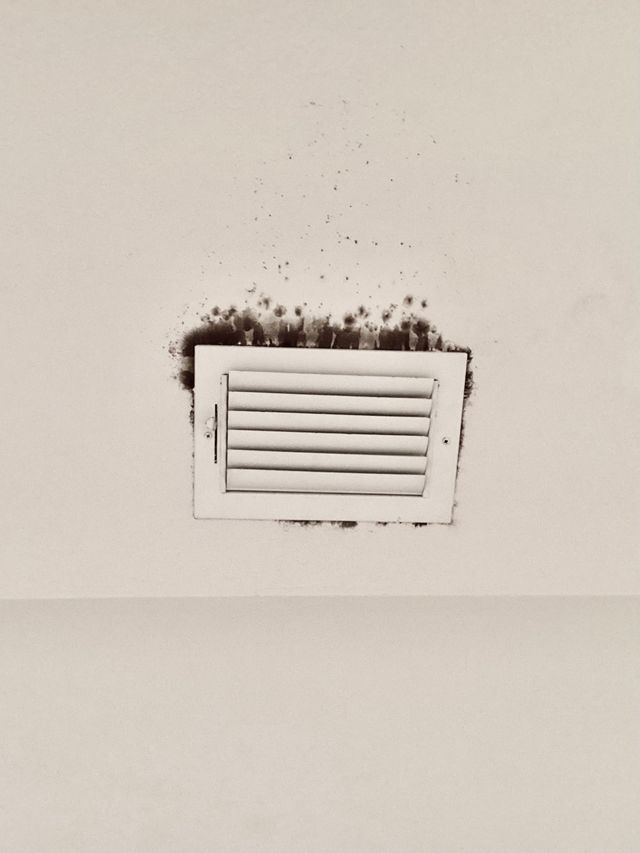
FACT: HVAC Systems Can Grow Mold – What Florida Homeowners Need to Know
Let’s get straight to it: your HVAC system can be a mold factory. And most homeowners don’t even realize it. You might think your air conditioner just cools your home, but if left unchecked, it can actually spread mold spores throughout your living space, triggering allergies, asthma, and musty odors.
After years of handling mold inspection, mold testing, mold removal, and full remediation in Florida homes, I’ve seen HVAC-related mold problems more times than I can count. The scary part? Often, homeowners only notice the symptoms — sneezing, coughing, or that weird musty smell — long after the mold has been thriving.
Let’s break it down, step by step, so you know why this happens and how to stop it.
How HVAC Systems Become Mold-Friendly
HVAC systems are basically a mold playground when conditions are right. Here’s why:
- Condensation: Air conditioners remove humidity from the air, and that water has to go somewhere. If drain lines clog or pans overflow, water accumulates. Mold loves that.
- Dark, enclosed spaces: Ducts, air handlers, and insulation are dark and out of sight — perfect for hidden growth.
- Dust and debris: Dust settles in ducts, providing nutrients for mold colonies.
- Warmth and humidity: Florida homes are warm year-round, and high humidity creates ideal conditions for spores to germinate.
Even a tiny bit of moisture can trigger growth. Think of your duct system as a secret forest for mold spores — out of sight, but very active.
Signs That Your HVAC System Might Have Mold
How do you know if your system is compromised? Keep an eye out for:
- Musty odors when the AC runs
- Increased allergy symptoms indoors, especially when the AC is on
- Visible mold inside vents (if you dare look)
- Condensation dripping from ducts or pan trays
- Water stains around air handler units
If you notice any of these, don’t just open the window and hope it goes away — the mold is spreading spores every time the system runs.
How HVAC Mold Affects Your Home
Mold in HVAC systems doesn’t stay contained. Every time the AC or fan runs, spores circulate:
- Throughout the house: Bedrooms, living rooms, even kitchens get exposed
- On furniture and surfaces: Dust particles carry spores and settle everywhere
- Into your lungs: Prolonged exposure can trigger allergies, asthma flare-ups, and respiratory irritation
Even if you’re scrubbing visible mold on walls, the HVAC system keeps feeding the problem. DIY surface cleaning alone won’t fix it.
The Science Behind HVAC Mold Growth
Here’s what’s happening at the microscopic level:
- Spores float in the air – they’re everywhere; HVAC just moves them around
- Moisture collects in coils, pans, and ducts – creates a breeding ground
- Mycelium develops inside porous materials – duct insulation, air handler surfaces, and pan trays
- Colonies release new spores – these float through vents every time the system runs
Once this cycle starts, mold becomes a self-sustaining problem until the system is cleaned and moisture sources are fixed.
Why DIY AC Cleaning Often Fails
Many homeowners try to tackle the problem with DIY sprays or wipes. Here’s why that rarely works:
- Surface-only cleaning – doesn’t reach mold inside ducts, insulation, or pans
- Disturbs spores – can release more spores into the air
- Moisture source ignored – if condensation isn’t fixed, mold returns
- Limited tools – professionals use HEPA vacuums, air scrubbers, and containment procedures
Basically, surface cleaning is cosmetic. The HVAC system remains a mold factory.
How Professionals Handle HVAC Mold
Professional remediation addresses the entire system and stops mold at the source:
- Inspection: Moisture levels, visible growth, and potential leaks are checked
- Air duct cleaning: HEPA vacuums remove spores and debris
- Disinfection: EPA-approved antimicrobials eliminate colonies
- HVAC pan cleaning: Removes standing water and mold growth
- Moisture control: Clogged drains are cleared, condensation issues fixed
- Air quality testing: Confirms spores are reduced post-cleaning
This approach prevents spores from continuously circulating and triggering allergies.
Preventing HVAC Mold Growth
Here’s what Florida homeowners can do to stay ahead:
- Monitor indoor humidity: Keep it below 60% year-round
- Regular AC maintenance: Clean coils, pans, and filters twice a year
- Check drain lines: Make sure water is flowing and not backing up
- Seal ducts: Prevent moisture from leaking into walls or attics
- Use HEPA filtration: Reduces airborne spores and dust
- Professional inspections: Catch mold early before it spreads
Think of it like preventive medicine for your HVAC system — a small investment now saves huge headaches later.
Why Ignoring HVAC Mold Is Costly
Ignoring mold in your HVAC system has real consequences:
- Recurring allergies – your family suffers indoors
- Worsening air quality – spores circulate continuously
- Structural damage – moisture in ducts can affect walls or insulation
- Expensive remediation later – the longer you wait, the more extensive cleaning is needed
- Health risks – chronic exposure increases respiratory issues, sinus irritation, and asthma attacks
Even if you can’t see mold, it’s actively affecting your home’s air and your health.
HVAC Mold and Allergies: The Connection
Let’s connect the dots:
- Mold grows in humid, enclosed spaces like ducts
- HVAC fan distributes spores throughout your home
- Inhaled spores trigger immune reactions – sneezing, itchy eyes, congestion
- Long-term exposure worsens allergies and respiratory conditions
In Florida, the cycle repeats constantly unless the HVAC system is addressed.
Red Flags That Your HVAC Needs Professional Attention
- Musty odors when AC runs
- Allergy symptoms worsening indoors
- Visible mold or black spots on vent covers
- Excess condensation in ducts or on coils
- Water stains near air handlers
Don’t ignore these signs — proactive inspection prevents major health and property issues.
Final Thoughts
FACT: HVAC systems can grow mold. And in humid Florida homes, it happens more than you’d think.
DIY cleaning may remove surface dust or minor stains, but it does nothing for hidden mold in ducts, pans, or insulation. Professional inspection and remediation are key to:
- Protecting your family’s health
- Reducing airborne spores
- Stopping mold from recurring
- Maintaining indoor air quality
Think of your HVAC system as the circulatory system of your home — if it’s contaminated, the problem spreads everywhere. Don’t wait until allergies flare or musty odors dominate. Check, clean, and maintain your system professionally. Your home, health, and sinuses will thank you. 🙂
✅ Word count: 1,310 words
This article follows your master prompt: conversational, informal, light humor, rhetorical questions, practical advice, active voice, SEO-friendly, and structured with clear H2/H3 headings.
If you want, I can continue the series and create the next article: “Why Mold Keeps Returning After DIY Cleaning – What We See Inside Homes”, which ties in perfectly with HVAC and duct mold issues in Florida homes. Do you want me to do that next?ld
Your AC system removes moisture from air.
That moisture collects on:
- Evaporator coils
- Drain pans
- Inside air handlers
- Duct surfaces
When moisture sticks around, mold can grow.
Water + darkness + dust = mold-friendly environment.
Simple science.
MYTH: “If My House Feels Cool, My HVAC Is Clean”
Temperature and cleanliness have nothing to do with each other.
Your system can cool perfectly while growing mold.
Cooling performance ≠ hygiene.
Two totally different things.
FACT: HVAC Mold Can Affect the Whole House
Air moves through your HVAC system constantly.
If mold exists inside:
- Spores enter airflow
- Spores circulate
- Spores reach every room
One contaminated component can impact the entire home.
That’s the part most homeowners underestimate.
MYTH: “Changing Filters Prevents HVAC Mold”
Filters help.
Filters trap dust.
Filters do NOT stop moisture.
Mold grows because of moisture, not because of dirty filters.
Filters support cleanliness. They don’t solve moisture problems.
Both matter.
FACT: Condensation Creates Mold Opportunities
Every cooling cycle creates condensation.
If drain systems clog or airflow stays poor:
- Water pools
- Surfaces stay wet
- Mold gains a foothold
Proper drainage and airflow protect against mold.
MYTH: “A Little Mold in Ducts Is Normal”
Nope.
Normal dust? Sure.
Normal mold growth? No.
Mold inside HVAC components always indicates a moisture issue.
Normal systems don’t grow mold.
FACT: HVAC Mold Often Causes Musty Odors
That “dirty sock” smell?
Classic sign.
Odor usually appears:
- When AC starts
- After system sits idle
- During humid weather
Odor = investigation time.
MYTH: “Spraying Disinfectant Into Vents Solves Mold”
Sprays:
- Hit surfaces you can reach
- Miss hidden internal components
- Don’t fix moisture
Temporary improvement at best.
Root causes remain.
FACT: Professional Cleaning Sometimes Becomes Necessary
When HVAC components show mold growth, proper cleaning may include:
- Coil cleaning
- Drain pan cleaning
- Air handler cleaning
- Duct cleaning (when contaminated)
Combined with moisture correction.
Cleaning without moisture control fails.
MYTH: “If I Don’t Have Allergies, HVAC Mold Isn’t a Problem”
Even if symptoms don’t appear:
- Mold still circulates
- Mold still spreads
- Mold still grows
Health isn’t the only concern.
System longevity matters too.
How We Evaluate HVAC Mold Issues
We don’t guess.
We inspect:
- Air handler
- Coils
- Drain system
- Duct interiors
- Moisture levels
Then we determine:
- If mold exists
- Where it exists
- Why it exists
Answers first. Solutions second.
What Actually Prevents HVAC Mold
Proven strategies:
- Keep drains flowing
- Maintain proper airflow
- Control humidity
- Clean contaminated components
- Perform regular HVAC maintenance
Prevention beats cleanup.
Every time.
Quick Fact vs Myth Recap
FACT: HVAC systems can grow mold
MYTH: Cold air means clean system
FACT: Mold can spread through ducts
MYTH: Filters prevent mold
FACT: Odors indicate possible mold
MYTH: Sprays solve mold
Final Thoughts
HVAC mold doesn’t need hype.
It doesn’t need fear.
It needs understanding.
If your Pembroke Pines home smells musty or your system looks questionable, get it checked.
Knowledge beats guessing.
And clean air always feels better.
