
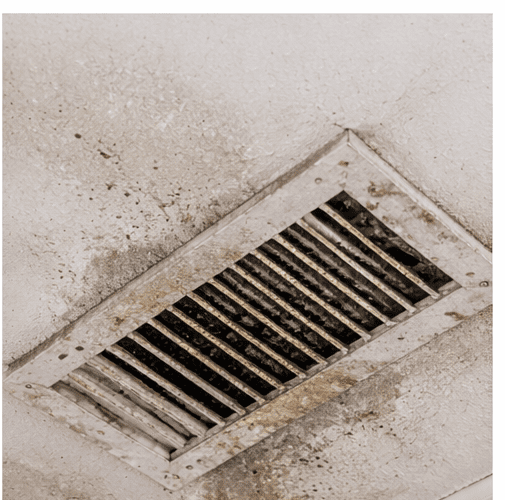
Facts vs Common Myths: Air Duct Mold Insights for Homes in Broward County
In Broward County, air conditioning isn’t a luxury—it’s a necessity. From Fort Lauderdale and Hollywood to Davie, Plantation, Sunrise, Pompano Beach, and Deerfield Beach, HVAC systems run almost year-round. Unfortunately, that constant use, combined with South Florida’s humidity, makes air duct mold one of the most misunderstood indoor air quality issues homeowners face.
Misinformation causes many homeowners to ignore real warning signs or waste money on ineffective fixes. Let’s separate the facts from the common myths about air duct mold so Broward County homeowners can make informed, practical decisions.
Fact: Broward County’s Climate Makes Air Duct Mold More Likely
Warm temperatures, high humidity, and frequent rain create ideal conditions for mold growth inside ductwork.
Local factors that increase risk include:
- Humidity levels that remain high most of the year
- Heavy, constant AC use
- Condensation forming inside ducts
- Ductwork running through hot, humid attics
- Older homes with aging insulation or seals
Air duct mold isn’t guaranteed—but in Broward County, it’s far more common than many homeowners realize.
Myth: If You Can’t See Mold, It Isn’t There
One of the biggest myths is that mold must be visible to be a problem.
In reality, air duct mold often grows:
- Inside duct interiors
- On insulation lining the ducts
- Near evaporator coils
- Inside air handlers
- Behind vent covers
Because these areas are hidden, mold can affect your indoor air quality long before you ever see a dark spot.
Fact: Air Duct Mold Can Affect the Air in Your Entire Home
Unlike surface mold in bathrooms or kitchens, air duct mold impacts every room.
When mold grows inside ductwork:
- Spores are pulled into airflow
- Contaminated air circulates through the home
- Exposure happens continuously
This is why symptoms often feel constant rather than seasonal.
Myth: Air Duct Mold Only Affects People With Allergies
While allergy sufferers may notice symptoms first, air duct mold can affect anyone.
Common reactions include:
- Sneezing or chronic congestion
- Coughing or throat irritation
- Headaches
- Fatigue
- Worsening asthma
Children, seniors, and people with respiratory conditions are especially vulnerable, but long-term exposure can impact healthy individuals as well.
Fact: Moisture Problems Are the Real Cause of Air Duct Mold
Mold doesn’t grow randomly. In Broward County homes, air duct mold is usually caused by:
- Excess indoor humidity
- Condensation inside ducts
- Leaking or poorly sealed ductwork
- Dirty air filters trapping moisture
- Oversized AC systems that cool without dehumidifying
Removing mold without fixing moisture almost always leads to repeat problems.
Myth: Spraying Bleach or Cleaning Vents Solves the Problem
Many homeowners believe wiping vents or spraying cleaners into ducts will fix mold.
In reality, DIY cleaning often:
- Releases more spores into the air
- Fails to remove mold roots
- Misses hidden contamination
- Spreads mold deeper into ductwork
Surface cleaning does not address mold inside ducts.
Fact: Air Duct Mold Can Increase Energy Costs
Mold and moisture buildup restrict airflow and reduce HVAC efficiency. This can lead to:
- Higher energy bills
- Uneven cooling
- Increased system strain
- Shorter HVAC lifespan
Addressing duct issues often improves both comfort and efficiency.
Myth: Newer Homes Don’t Get Air Duct Mold
New construction homes in Broward County are not immune.
Air duct mold can develop quickly due to:
- Construction moisture trapped in ducts
- Improper HVAC installation
- Poor humidity control
- Ducts running through unconditioned spaces
Age matters less than moisture management.
Fact: Professional Inspections Go Beyond Visible Vents
Proper air duct mold inspections focus on areas homeowners can’t see, including:
- Duct interiors
- Insulation lining
- Air handlers and coils
- Drain pans and lines
- Humidity and airflow levels
This approach helps identify both mold and the conditions causing it.
Myth: Air Duct Mold Will Go Away on Its Own
Mold does not disappear without intervention. As long as moisture remains, mold can continue to grow and spread.
Ignoring it can result in:
- Ongoing respiratory symptoms
- Higher remediation costs later
- Damage to ductwork and insulation
- Long-term indoor air quality problems
Early action is always easier and more cost-effective.
Fact: Air Duct Mold Prevention Is Possible in Broward County
While the climate can’t be changed, homeowners can reduce risk by:
- Keeping indoor humidity below 55%
- Changing HVAC filters regularly
- Scheduling routine HVAC maintenance
- Sealing and insulating ductwork
- Fixing leaks immediately
- Using exhaust fans in kitchens and bathrooms
Consistent prevention makes a measurable difference.
Final Thoughts for Broward County Homeowners
When it comes to air duct mold, myths often do more harm than good. Understanding the facts versus common misconceptions empowers Broward County homeowners to protect their indoor air, HVAC systems, and long-term health.
In South Florida, air duct mold isn’t unusual—but it’s also not something to ignore. Awareness, moisture control, and timely professional guidance are the keys to maintaining a cleaner, healthier home.
