
Facts vs Common Myths: Air Duct Mold Insights for Homes in Miramar
Facts vs Common Myths: Air Duct Mold Insights for Homes in Miramar
If you live in Miramar and someone mentions mold in your air ducts, what’s your first reaction?
- “That’s probably a scam.”
- “A little dust never hurt anyone.”
- “If I can’t see mold, it’s not there.”
- “My AC is new, so I’m safe.”
You’re not alone.
Air duct mold is one of the most misunderstood issues in South Florida homes. Some companies exaggerate it. Some homeowners ignore it. The truth sits right in the middle.
Let’s break down real facts vs common myths about air duct mold in Miramar homes — based on what inspectors actually see.
Why Miramar Homes Are Vulnerable to Duct Mold
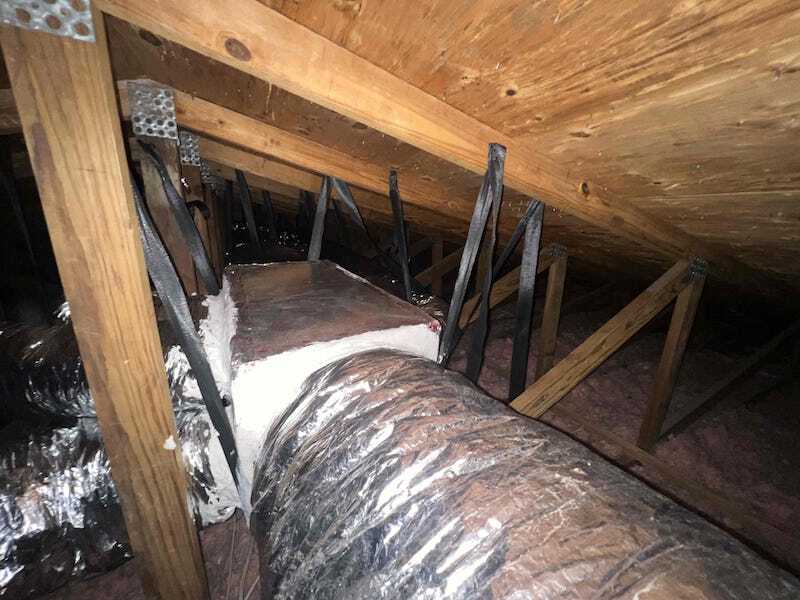
Miramar sits in humid South Florida. That means:
- High year-round humidity
- AC systems running 8–12 hours daily (sometimes more)
- Warm attics with insulated ductwork
- Seasonal heavy rain
When cold air moves through ducts surrounded by humid air, condensation can form — especially in attics.
And where moisture lingers, mold grows.
Now let’s separate facts from fiction.
Myth #1: “If I Can’t See Mold, It’s Not There”
❌ Myth
No visible mold = no problem.
✅ Fact
Duct mold often grows inside the duct liner or insulation, not on visible vents.
In real Miramar inspections, professionals frequently find:
- Mold inside flex duct lining
- Growth inside air handler cabinets
- Microbial buildup on evaporator coils
- Contamination in return air plenums
You might only notice:
- A faint musty smell when AC turns on
- Allergy symptoms that improve outdoors
- Dark dust around vents
Just because you don’t see mold on the vent grille doesn’t mean your system is clean.
Myth #2: “Air Duct Mold Is Rare”
❌ Myth
It barely happens.
✅ Fact
In humid climates like Miramar, it’s more common than people think.
Here’s why:
- AC systems create cold surfaces.
- Humid attic air surrounds ductwork.
- Poorly sealed ducts pull in moist air.
- Condensate drain issues increase indoor humidity.
In older Miramar homes, especially those 15–30 years old, inspectors frequently discover:
- Deteriorating duct insulation
- Sweating duct joints
- Microbial growth near supply boots
It’s not every house.
But it’s far from rare.
Myth #3: “Bleach in the Vents Fixes It”
❌ Myth
Spray some bleach and you’re done.
✅ Fact
Bleach does not effectively treat mold inside porous duct materials.
Flex ducts contain:
- Fiberglass liners
- Porous insulation
- Ribbed interior surfaces
Bleach cannot penetrate those materials deeply.
Worse, spraying liquids inside ducts can:
- Damage insulation
- Corrode components
- Increase moisture levels
In many cases, contaminated flex duct must be replaced — not “cleaned.”
Myth #4: “A New AC System Means No Mold”
❌ Myth
If your system is new, you’re safe.
✅ Fact
New systems can grow mold if installed improperly.
In Miramar homes, inspectors sometimes find mold in systems less than 3 years old because:
- Drain lines weren’t pitched correctly
- Ductwork wasn’t sealed properly
- Insulation gaps allow condensation
- Oversized units short-cycle, increasing humidity
A brand-new system doesn’t prevent moisture problems.
Proper installation and humidity control do.
Myth #5: “Dust Is the Same as Mold”
❌ Myth
Black dust around vents = mold.
✅ Fact
Not always.
Dark buildup around vents may be:
- Normal dust accumulation
- Soot from candles
- Insulation fibers
- Dirty air filter residue
However…
If you also notice:
- Musty odors
- Visible fuzzy growth inside vents
- Worsening respiratory symptoms
…testing may be necessary.
Professional air sampling can determine whether spores are elevated compared to outdoor levels.
Guesswork doesn’t work here.
What Actually Causes Mold in Miramar Air Ducts?
Let’s talk real causes.
1. High Indoor Humidity
If your home stays above 60% relative humidity, mold risk increases dramatically.
Oversized AC units are common in Miramar. They cool quickly but don’t run long enough to remove moisture.
Cool house.
Humid air.
Perfect mold setup.
2. Condensation in Attics
Attics in South Florida get extremely hot.
Cold ducts running through hot humid attic air create condensation — especially if insulation is damaged.
Over time:
- Insulation gets wet
- Mold colonizes duct exterior
- Moisture seeps inward
3. Clogged Drain Lines
When condensate lines clog:
- Water backs up
- Drain pans overflow
- Moisture increases around air handler
That elevated humidity spreads through return ducts.
4. Poor Maintenance
Skipping:
- Coil cleaning
- Filter changes
- Drain line flushing
…creates conditions mold loves.
Maintenance isn’t optional in humid climates.
Myth #6: “Duct Cleaning Always Solves the Problem”
❌ Myth
Just schedule a duct cleaning and it’s fixed.
✅ Fact
It depends on the duct material and contamination level.
If ducts are:
- Metal and lightly contaminated → Cleaning may work.
- Flex duct with deep growth → Replacement is often recommended.
Professional inspection determines which approach makes sense.
Blind cleaning can waste money.
Myth #7: “Mold in Ducts Is Always Dangerous”
❌ Myth
Any mold in ducts means your house is unsafe.
✅ Fact
Not all mold exposure leads to illness.
However:
- Sensitive individuals may react
- Asthma sufferers may experience flare-ups
- Prolonged exposure increases risk
The goal isn’t panic.
The goal is prevention and control.
Signs You Should Investigate Further
Miramar homeowners should consider inspection if they notice:
- Persistent musty odor when AC starts
- Dark growth inside vents
- Allergy symptoms indoors only
- Recent roof or plumbing leak
- AC drain pan frequently full
- Indoor humidity consistently above 60%
Early evaluation prevents larger remediation costs.
What a Proper Air Duct Mold Inspection Includes
A real inspection involves:
- Visual examination of air handler
- Inspection of evaporator coils
- Duct camera inspection (if accessible)
- Moisture measurements
- Humidity assessment
- Air sampling (when needed)
It’s not someone glancing into a vent with a flashlight.
Thoroughness matters.
Prevention Tips for Miramar Homeowners
Want to lower your risk?
Here’s what actually works:
✔ Keep Indoor Humidity Below 55%
Use a hygrometer. They’re inexpensive and accurate.
✔ Service Your AC Twice a Year
Especially before summer.
✔ Flush Condensate Drain Lines
At least once annually.
✔ Seal Duct Connections
Prevent humid attic air from entering the system.
✔ Replace Damaged Duct Insulation
Sweating ducts need attention.
✔ Change Filters Regularly
Dirty filters increase system strain and moisture imbalance.
The Real Bottom Line
Air duct mold in Miramar homes isn’t:
- Always a scam
- Always catastrophic
- Always visible
- Always fixed by cleaning
But it’s also not imaginary.
In humid South Florida climates, HVAC systems constantly battle moisture.
When moisture wins, mold follows.
The smartest move?
Stay informed.
Monitor humidity.
Maintain your system.
Investigate odors early.
Because in Miramar homes, ignoring moisture rarely makes it disappear.
And when it comes to duct mold, facts beat myths every time.
