
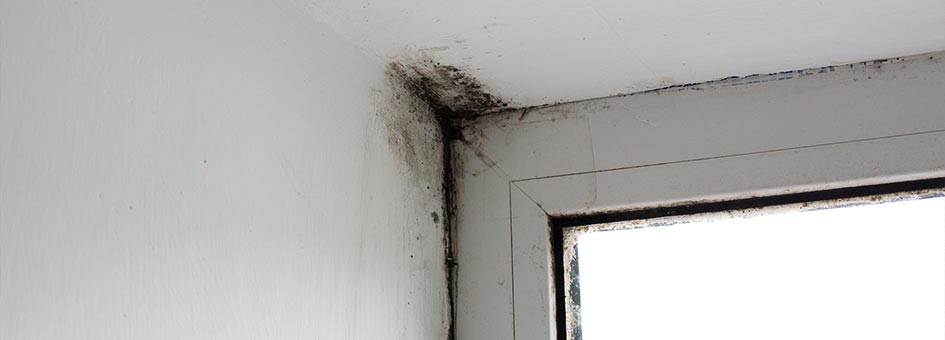
Facts vs Common Myths: Black Mold Insights for Homes in Miramar
Few home issues get exaggerated faster than black mold. One dark patch shows up, and suddenly Google convinces homeowners they’re living in a health disaster. On the flip side, some people shrug it off completely and grab bleach. Both reactions miss the mark. Real inspections inside Miramar homes paint a much clearer—and calmer—picture.
Black mold is real. The risks are real too. The myths, though, cause more damage than the mold itself. Let’s separate fact from fiction using what we actually see during inspections, not internet panic or oversimplified advice.
Myth #1: Black Mold Is Always Extremely Dangerous
This myth creates instant fear.
Fact: Risk Depends on Conditions, Not Just Color
Black mold isn’t automatically more dangerous than other mold types. Risk depends on:
- How much mold exists
- How long exposure lasts
- Whether spores circulate through HVAC systems
- Individual sensitivity
A small amount of black mold in a dry, isolated area poses far less risk than widespread mold of any color spreading through the air system.
Myth #2: If It’s Black, It Must Be “Toxic Mold”
This phrase causes endless confusion.
Fact: “Toxic Mold” Isn’t a Visual Diagnosis
Many mold species appear dark or black. You can’t determine toxicity by looking at mold. During inspections in Miramar homes, we often see:
- Dark mold with low exposure risk
- Lighter-colored mold causing bigger air quality problems
Growth conditions matter more than appearance every time.
Myth #3: Bleach Kills Black Mold Completely
This myth keeps mold coming back.
Fact: Bleach Only Fixes the Surface
Bleach:
- Lightens stains
- Works on non-porous surfaces
Bleach does not:
- Penetrate drywall or wood
- Kill mold roots inside materials
- Fix moisture problems
We frequently inspect Miramar homes where bleach made mold disappear visually—while growth continued underneath.
Myth #4: Black Mold Only Appears After Floods or Major Leaks
This belief delays action.
Fact: Quiet Moisture Causes Most Black Mold
In Miramar homes, black mold often grows due to:
- AC condensation
- High indoor humidity
- Slow plumbing leaks
- Poor ventilation
No flood required. Consistent moisture does the job quietly.
Myth #5: Black Mold Always Smells Strong
People trust their nose too much.
Fact: Black Mold Often Has Little or No Odor
Many inspections reveal black mold with:
- No musty smell
- No obvious staining
- No visible growth
Odor usually appears late, not early. Waiting for smell gives mold more time to spread.
Myth #6: If You Clean It Once, It’s Gone
This myth creates repeat problems.
Fact: Black Mold Returns When Causes Stay Active
If moisture remains:
- Mold keeps growing
- Spores continue circulating
- New areas get affected
When homeowners say black mold “came back,” it usually means removal didn’t address the cause.
Myth #7: HVAC Systems Don’t Matter With Black Mold
This assumption gets expensive.
Fact: HVAC Systems Spread Black Mold Efficiently
In Miramar homes, we often find black mold:
- Inside air handlers
- On evaporator coils
- In duct insulation
Once spores enter the HVAC system, exposure becomes whole-house. That’s why mold seems to “move” rooms.
Myth #8: Newer Homes Don’t Get Black Mold
Fresh construction doesn’t mean immunity.
Fact: Newer Homes Can Trap Moisture Better
Modern homes often:
- Seal tightly
- Reduce natural airflow
- Slow drying
We inspect newer Miramar homes with black mold hidden behind new drywall or inside HVAC systems because moisture got trapped.
Myth #9: Black Mold Is Always a Health Emergency
Fear tactics thrive on this one.
Fact: Exposure Over Time Is the Real Concern
Health effects usually develop when:
- Exposure continues daily
- Mold spreads unchecked
- HVAC systems circulate spores
Most issues come from long-term exposure, not a brief encounter. Panic doesn’t help. Timely investigation does.
Myth #10: Black Mold Can Be Handled Safely With DIY Products
DIY feels proactive. Results say otherwise.
Fact: DIY Cleanup Often Makes It Worse
DIY attempts often:
- Spread spores into the air
- Miss hidden growth
- Leave moisture untouched
We regularly inspect Miramar homes where DIY cleaning increased the scope of professional remediation later.
Where Black Mold Commonly Hides in Miramar Homes
Black mold prefers dark, damp, undisturbed areas.
Common Hidden Locations
During inspections, we often find black mold:
- Behind drywall
- Under sinks and cabinets
- Inside HVAC systems
- In attics with poor ventilation
- Beneath flooring
Hidden growth causes more exposure than visible patches.
Mold Inspection: The Step That Ends the Guessing
Myths thrive when information is missing.
What Mold Inspection Reveals
Professional inspection identifies:
- Whether mold is present
- Where it’s growing
- Why it’s growing
- Whether HVAC systems are involved
Inspection replaces fear with facts and prevents unnecessary or incomplete work.
Mold Testing: When It Helps With Black Mold
Testing isn’t always required, but it can add clarity.
When Mold Testing Makes Sense
Testing helps when:
- Symptoms persist without visible mold
- HVAC contamination seems likely
- Indoor air quality concerns exist
- Documentation matters
Testing confirms exposure. Inspection explains the source.
Black Mold Removal vs Mold Remediation: Why the Difference Matters
This distinction changes outcomes.
Why Removal Alone Falls Short
Mold removal:
- Improves appearance
- Does not stop regrowth
- Leaves moisture issues unresolved
What Proper Remediation Includes
Effective remediation involves:
- Containment to prevent spore spread
- HEPA air filtration
- Removal of contaminated materials
- Moisture correction
- Preventive treatments
Black mold stops when conditions change, not when surfaces look clean.
Why Miramar Homes Face Higher Black Mold Risk
Local conditions amplify growth.
Miramar-Specific Factors
Homes here deal with:
- Persistent humidity
- Heavy AC usage
- Tight construction trapping air
- Attics that retain moisture
These factors allow black mold to grow faster when ignored.
Warning Signs Homeowners Shouldn’t Ignore
Real inspections show these signs matter:
- Mold returning after cleaning
- Musty odors that come and go
- Condensation on vents or walls
- Allergy symptoms indoors
- Mold appearing in multiple rooms
Patterns matter more than isolated signs.
Practical, Myth-Free Advice for Homeowners
You don’t need fear. You need accuracy.
Smart Next Steps
- Address moisture immediately
- Avoid repeated DIY cleaning
- Schedule a professional mold inspection
- Include HVAC systems in evaluations
- Fix causes before cosmetic cleanup
Each step limits spread and keeps solutions manageable.
Final Thoughts: Black Mold Isn’t a Monster—Myths Are
Black mold doesn’t deserve panic or dismissal. It deserves informed action. For homeowners in Miramar, the real risk comes from believing myths—either fear-based or overly casual—not from understanding how mold actually behaves.
Focus on moisture. Investigate early. Inspect before assuming the worst. When facts replace myths, black mold becomes a solvable home issue instead of a constant source of stress.
