

Facts vs Common Myths: Hidden Mold Insights for Homes in Davie
Hidden mold causes more confusion than visible mold ever will. Homeowners in Davie often say the same thing during inspections: “I don’t see mold anywhere, so I’m not sure why this keeps happening.” That reaction makes sense. Hidden mold stays out of sight, avoids attention, and quietly creates problems long before anyone spots it.
What doesn’t help is the pile of myths floating around online. Some make hidden mold sound harmless. Others make it sound like instant disaster. Neither extreme helps homeowners make smart decisions. Let’s separate facts from common myths using what real inspections inside Davie homes actually show.
Myth #1: If You Can’t See Mold, It’s Not a Problem
This myth delays action more than any other.
Fact: Hidden Mold Causes Real Issues Long Before It’s Visible
During inspections, visible mold often represents:
- The final stage of growth
- The first place moisture escaped
- A small portion of the real issue
We frequently find hidden mold:
- Behind drywall
- Inside wall cavities
- Under flooring
- Inside HVAC systems
Hidden mold releases spores just like visible mold. The only difference is timing.
Myth #2: Hidden Mold Only Happens After Flooding
Floods get blamed because they’re dramatic.
Fact: Most Hidden Mold Grows Without Major Water Damage
In Davie homes, hidden mold commonly comes from:
- AC condensation
- High indoor humidity
- Slow plumbing leaks
- Poor ventilation
No flood. No burst pipe. Just moisture lingering quietly where no one looks.
Myth #3: Hidden Mold Always Smells Strong
Homeowners rely on odor as a warning sign.
Fact: Hidden Mold Often Has No Smell at First
Many inspections reveal hidden mold in homes with:
- No musty odor
- No visible staining
- No obvious water damage
Odor usually appears late, not early. Waiting for smell gives mold time to spread.
Myth #4: Newer or Renovated Homes Don’t Get Hidden Mold
This belief costs money fast.
Fact: Tight Construction Can Increase Hidden Mold Risk
Modern and renovated homes often:
- Seal tighter
- Trap humidity
- Dry more slowly
We inspect newer Davie homes with hidden mold behind brand-new drywall because moisture had nowhere to escape.
Myth #5: Cleaning Visible Mold Solves Hidden Mold
This feels logical but fails in practice.
Fact: Hidden Mold Keeps Growing After Surface Cleaning
Surface cleaning:
- Improves appearance
- Leaves hidden growth untouched
- Does not fix moisture
We routinely inspect homes where mold “came back” weeks later. In reality, hidden mold never stopped growing.
Myth #6: HVAC Systems Don’t Matter for Hidden Mold
This one causes whole-house problems.
Fact: HVAC Systems Spread Hidden Mold Efficiently
Hidden mold inside:
- Air handlers
- Evaporator coils
- Duct liners
Gets distributed every time the AC runs. That’s how hidden mold turns into whole-house air quality issues without obvious mold in any single room.
Myth #7: Hidden Mold Is Rare
It’s not.
Fact: Hidden Mold Is More Common Than Visible Mold
In Davie homes, we find hidden mold more often than visible growth because:
- Moisture hides easily inside materials
- Growth stays undisturbed
- Routine cleaning never reaches it
Visible mold is usually the tip of the iceberg.
Myth #8: Bleach or Sprays Kill Hidden Mold
DIY products create false confidence.
Fact: Sprays Don’t Reach Hidden Mold
Bleach and sprays:
- Affect surface discoloration
- Do not penetrate drywall or insulation
- Do not fix moisture sources
Hidden mold survives comfortably behind surfaces long after sprays dry.
Myth #9: Hidden Mold Only Affects Allergic People
This belief underestimates exposure.
Fact: Hidden Mold Affects Indoor Air Quality for Everyone
Hidden mold releases spores into the air that:
- Stay airborne longer in humid environments
- Circulate through HVAC systems
- Affect comfort even without obvious symptoms
Some people feel it faster. Everyone breathes it.
Myth #10: Mold Testing Finds Hidden Mold Automatically
Testing gets misunderstood often.
Fact: Testing Supports Inspection—It Doesn’t Replace It
Mold testing helps confirm exposure. It does not:
- Locate moisture sources
- Identify hidden growth areas
- Explain why mold exists
Inspection finds the problem. Testing confirms impact.
Where Hidden Mold Actually Hides in Davie Homes
Facts beat assumptions every time.
Inside Walls
Walls trap moisture from:
- Condensation
- Slow leaks
- High humidity
Drywall and insulation absorb moisture and dry slowly. Mold often grows here long before stains appear.
HVAC Systems: The Biggest Hidden Mold Source
This shows up constantly in inspections.
Inside HVAC systems, we often find:
- Mold on evaporator coils
- Moisture buildup in drain pans
- Mold on internal insulation
Once hidden mold enters HVAC airflow, exposure spreads throughout the home.
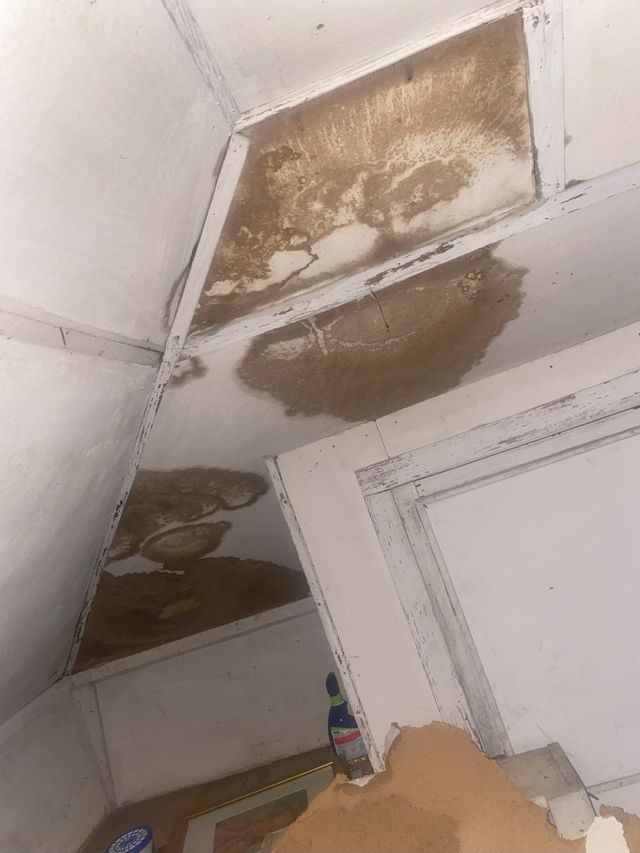
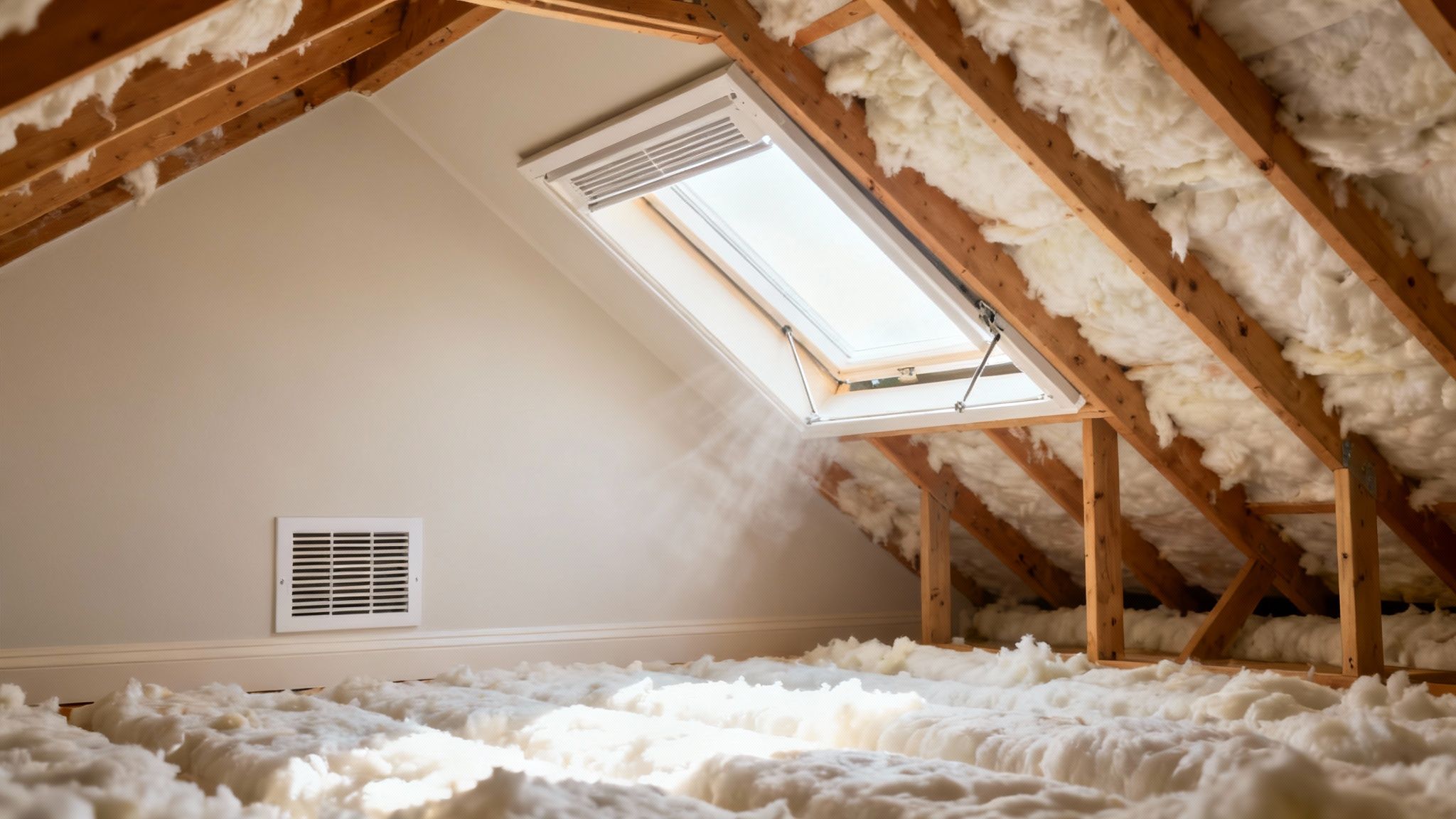
Attics: Out of Sight, Full of Moisture
Attics rarely get checked.
In Davie homes, attic inspections often reveal:
- Damp insulation
- Condensation on roof decking
- Mold near vents
Warm, humid air rises and gets trapped, feeding mold quietly over time.
Under Flooring and Cabinets
Floors hide moisture easily.
We often find hidden mold:
- Under tile or laminate
- Beneath bathroom vanities
- Inside kitchen cabinets
Minor leaks and humidity allow moisture to linger unnoticed.
Signs Hidden Mold May Exist (Even If You Can’t See It)
Hidden mold leaves patterns.
Watch for:
- Allergy symptoms indoors
- Musty odors that come and go
- Mold returning after cleaning
- Condensation on vents or walls
- Dust building up quickly
One sign alone might mean nothing. Patterns usually mean investigation.
Mold Inspection: How Myths Get Replaced With Facts
Guessing keeps homeowners stuck.
What Professional Mold Inspection Reveals
Inspection identifies:
- Hidden mold growth
- Moisture sources feeding it
- HVAC involvement
- How spores likely circulate
Inspection turns uncertainty into clear next steps.
Mold Removal vs Mold Remediation: Why Hidden Mold Changes the Rules
Hidden mold requires a different approach.
Why Mold Removal Alone Fails
Removal without remediation:
- Misses hidden growth
- Leaves moisture active
- Allows continued exposure
What Mold Remediation Does Differently
Proper remediation includes:
- Containment to prevent spore spread
- HEPA air filtration
- Removal of contaminated materials
- Moisture correction
- Preventive treatments
Hidden mold stops when conditions change.
Why DIY Approaches Struggle With Hidden Mold
DIY tools don’t reach where mold lives.
What DIY Attempts Often Miss
DIY efforts usually:
- Spread spores
- Miss growth inside walls or HVAC
- Leave moisture untouched
We frequently inspect homes after repeated DIY attempts. By then, hidden mold spread further.
Davie Homes Face Unique Hidden Mold Risks
Local conditions matter.
Davie-Specific Challenges
Homes here deal with:
- Persistent humidity
- Heavy AC usage
- Attics that trap moisture
- Slow drying inside materials
Hidden mold grows faster when moisture sticks around.
Practical, Fact-Based Advice for Homeowners
You don’t need panic. You need accuracy.
Smart Steps That Actually Help
- Control indoor humidity
- Address condensation early
- Maintain HVAC systems
- Investigate recurring symptoms
- Schedule inspections sooner
Each step limits moisture. Less moisture means less hidden mold.
When Hidden Mold Deserves Immediate Attention
Waiting rarely improves outcomes.
Act quickly when:
- Symptoms worsen indoors
- Mold returns after cleaning
- Moisture stays persistent
- HVAC systems show contamination
Delays increase both spread and cost.
Final Thoughts: Facts Beat Myths Every Time
Hidden mold thrives on misunderstanding. For homeowners in Davie, separating facts from myths keeps problems manageable instead of overwhelming.
Inspect early. Fix moisture. Treat causes, not appearances. Hidden mold only becomes expensive when it stays hidden too long. When homeowners rely on facts instead of assumptions, solutions stay smaller, smarter, and far less disruptive.
