
Facts vs Common Myths: Hidden Mold Insights for Homes in Hollywood
Hidden mold is one of the most misunderstood home issues in South Florida. Some homeowners assume mold only matters when it’s visible. Others believe any hint of mold means a health crisis. In Hollywood homes, real inspections tell a much more balanced story.
Hidden mold is common, manageable, and predictable when you understand the facts—and costly when myths delay action. This guide separates what’s true from what’s commonly misunderstood, so homeowners can respond intelligently instead of reacting out of fear or denial.
Why Hidden Mold Is So Often Missed in Hollywood Homes
Hollywood’s climate sets the stage:
- High humidity most of the year
- Heavy seasonal rain
- Constant air-conditioning use
- Slab foundations that conceal leaks
- Tightly sealed homes that slow drying
Mold doesn’t need a flood. It needs moisture that lingers. When water gets into wall cavities, under floors, or inside HVAC systems, mold can grow quietly—often without odor or visible stains.
That’s why myths around “you’d know if you had mold” are so misleading.
Myth #1: “If I Can’t See Mold, I Don’t Have Mold”
Myth.
The fact:
Most mold found during inspections is hidden, not visible. Common locations include:
- Behind drywall
- Under laminate or vinyl flooring
- Inside cabinets near plumbing
- Around windows and sliding doors
- Inside HVAC air handlers
By the time mold becomes visible, it’s usually been present for weeks or months.
Myth #2: “Hidden Mold Only Happens After Flooding”
False.
The fact:
In Hollywood homes, inspectors most often trace hidden mold back to:
- Slow plumbing leaks
- AC condensation and drain line clogs
- Roof seepage after storms
- Window and door intrusion
- Elevated indoor humidity
Flooding can cause mold—but inspection patterns show it’s not the most common cause.
Myth #3: “A Musty Smell Is the First Warning Sign”
Not always.
The fact:
Early hidden mold often has no strong odor. Many homeowners discover mold only after noticing:
- Bubbling or peeling paint
- Warped baseboards
- Flooring that lifts slightly
- Persistent indoor humidity
Odors typically appear later, after growth has expanded.
Where Inspectors Most Often Find Hidden Mold
Real-world inspections in Hollywood consistently reveal mold in places homeowners rarely check:
- Behind bathroom walls
- Under kitchen sinks
- Beneath window sills
- Inside closet walls on exterior sides
- Near AC air handlers
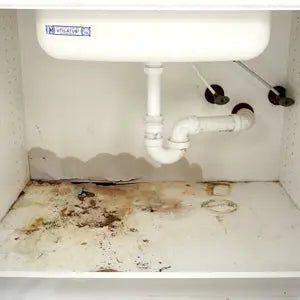
These areas stay dark, warm, and poorly ventilated—ideal conditions for mold.
Myth #4: “Bleach or DIY Sprays Solve Hidden Mold”
One of the costliest myths.
The fact:
DIY cleaners:
- Remove surface staining
- Do not reach inside walls or materials
- Do not fix moisture sources
Hidden mold regrows because the conditions never changed. Cleaning appearance isn’t the same as removing the problem.
Myth #5: “Newer Homes Don’t Have Hidden Mold”
Wrong.
The fact:
Newer Hollywood homes often experience hidden mold because:
- Tight construction traps moisture
- Modern AC systems run longer
- Reduced airflow slows drying
- Insulated walls conceal condensation
Home age doesn’t prevent mold—moisture control does.
How Hidden Mold Actually Develops (Simply Explained)
From inspection data, the process is predictable:
- Moisture enters (leak, humidity, condensation)
- Porous materials absorb water
- Airflow is limited
- Mold spores activate
- Growth spreads quietly out of sight
This can happen without visible damage—and without odor.
Myth #6: “If No One Is Sick, Hidden Mold Isn’t a Problem”
Not necessarily.
The fact:
Health effects vary widely and depend on:
- Exposure duration
- Spore concentration
- Individual sensitivity
Some occupants feel nothing. Others notice:
- Persistent congestion
- Headaches
- Fatigue
- Worsening allergies or asthma
Lack of symptoms doesn’t mean mold isn’t affecting indoor air quality.
HVAC Systems and Hidden Mold (A Common Overlook)
In Hollywood homes, HVAC systems are frequent contributors to hidden mold.
Inspectors often find growth:
- On evaporator coils
- Inside air handlers
- In duct insulation
When mold exists inside HVAC systems, spores can circulate—even if mold isn’t visible elsewhere.
Myth #7: “Painting Over Damage Fixes It”
False—and risky.
The fact:
Painting over bubbling walls or stains:
- Traps moisture
- Hides warning signs
- Allows mold to continue growing
Inspectors frequently uncover mold behind freshly painted areas where moisture was never addressed.
Early Warning Signs Homeowners Miss
Before hidden mold is discovered, professionals often note:
- Repeated “small” water issues
- Paint that won’t stop peeling
- Baseboards pulling away from walls
- Flooring that feels soft in spots
- Humidity that never feels comfortable
These aren’t cosmetic issues—they’re moisture clues.
Why Hollywood Homes Face Higher Hidden Mold Risk
Local conditions play a role:
- Coastal humidity
- Seasonal storms
- Constant AC use
- Slab foundations
- Dense neighborhoods limiting airflow
None of these guarantee mold—but together, they raise the baseline risk when moisture isn’t managed.
What Smart Homeowners Do Differently
Homeowners who avoid major mold problems tend to:
- Treat moisture as urgent—even when minor
- Investigate recurring issues
- Monitor indoor humidity
- Maintain HVAC systems
- Avoid surface-only fixes
They don’t panic—but they also don’t ignore patterns.
When Investigation Makes Sense
Hidden mold evaluation is especially useful when:
- Water damage occurred (even if “dry now”)
- Musty odors come and go
- Allergies worsen indoors
- Repairs keep failing in the same spot
- A home is being bought or sold
Investigation provides clarity, not fear.
Final Thoughts: Facts Beat Fear Every Time
Hidden mold in Hollywood homes isn’t rare—and it isn’t random. It follows moisture, airflow, and time. The real risk comes from believing myths that delay action:
- Waiting for visible growth
- Assuming small leaks don’t matter
- Relying on cleaning instead of conditions
When homeowners understand the facts and act early, hidden mold stays manageable, localized, and far less expensive to address.
