
Facts vs Common Myths: Hidden Mold Insights for Homes in Tamarac
Let’s be honest.
When most homeowners in Tamarac hear “hidden mold,” they either panic… or completely ignore it.
Neither reaction helps.
Hidden mold isn’t a horror movie situation. It’s a moisture problem that went unchecked. Ever noticed a faint musty smell that comes and goes and thought, “It’s probably nothing”? That’s usually where the story begins.
Let’s separate facts from common myths — calmly.
Fact: Mold Needs Moisture, Not Darkness
People often think mold grows because a space is dark.
Darkness doesn’t cause mold.
Moisture causes mold.
Mold needs:
- Moisture
- Organic material (drywall, wood, insulation)
- Time
Tamarac’s humidity provides the moisture. Your walls provide the material. All it takes is trapped dampness for 24–48 hours.
That’s it.
Myth #1: “If I Don’t See Mold, It’s Not There”
This one costs homeowners the most money.
Hidden mold often grows:
- Behind drywall
- Under laminate flooring
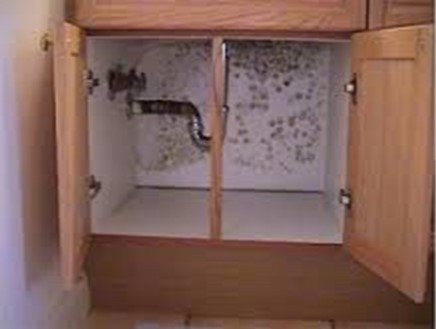
- Inside cabinets
- In attic insulation
- Inside HVAC ductwork
We’ve inspected homes that looked spotless on the surface. Moisture meters told a different story.
Paint hides water damage well.
Visible mold usually means the problem has already progressed.
Fact: Mold Can Start Growing Within 24–48 Hours
Here’s the timeline many homeowners underestimate:
Mold can begin forming within 24–48 hours after water exposure.
That includes:
- AC drain line overflow
- Minor roof leaks
- Slow plumbing drips
- Appliance hose leaks
- Flooding that “dried on its own”
If materials stay damp longer than two days, microbial growth can begin inside cavities.
Running a fan overnight doesn’t dry insulation inside walls.
Myth #2: “It’s Just Florida Humidity”
Yes, Florida is humid.
But humidity alone doesn’t magically grow mold on dry walls.
Mold develops when humidity stays above 60% indoors for extended periods and moisture gets trapped.
Homes in Tamarac share similar moisture challenges with nearby cities like Lauderhill and Sunrise.
Tight construction and constant AC use sometimes trap indoor moisture longer than homeowners expect.
Humidity becomes a problem when airflow stays limited.
Fact: HVAC Systems Can Spread Hidden Mold
Your AC system runs almost daily in Tamarac.
If mold grows inside:
- The air handler
- Evaporator coils
- Duct insulation
- Drain pans
Spores circulate throughout the home.
Ever notice a musty smell when the AC turns on? That’s a clue.
Cleaning one visible area won’t stop spores if ductwork remains contaminated.
Myth #3: “Bleach Fixes It”
Bleach lightens stains. It does not penetrate porous materials like drywall or wood.
Surface cleaning may temporarily reduce appearance. It rarely eliminates embedded growth.
Without correcting moisture and removing affected materials when necessary, mold returns.
Always.
Fact: Hidden Mold Affects Indoor Air Quality
Even when you don’t see growth, airborne spores can increase.
Homeowners often report:
- Persistent sinus congestion
- Sneezing indoors
- Mild headaches
- Musty odors
- Symptoms improving outside
If symptoms fade when leaving the house, indoor air deserves attention.
Hidden mold impacts air before it impacts walls visibly.
Myth #4: “Testing Alone Solves the Problem”
Mold testing provides data.
It does not:
- Remove contamination
- Fix moisture sources
- Dry building materials
Testing works best alongside professional inspection.
Moisture readings and thermal imaging often reveal risks before air samples spike.
Data guides remediation. It doesn’t replace it.
The Science in Simple Terms
Here’s the chain reaction:
- Water enters materials.
- Materials absorb moisture.
- Mold spores multiply.
- Colonies grow.
- Airborne spores increase.
Control step one, and you prevent the rest.
Moisture management equals mold prevention.
Practical Prevention for Tamarac Homes
If you want to reduce hidden mold risk:
- Keep indoor humidity between 45–55%
- Service HVAC systems annually
- Clean condensate drain lines
- Inspect roofs after heavy rain
- Fix plumbing leaks immediately
- Monitor attic ventilation
- Schedule periodic mold inspections
Small preventive steps stop major remediation bills.
Every time.
The Financial Reality
Early detection usually means:
- Small containment areas
- Limited drywall removal
- Lower remediation cost
Delayed discovery often means:
- Multi-room remediation
- Duct cleaning
- Structural wood repair
- Extended air filtration
Hidden mold rarely shrinks on its own.
It grows quietly until addressed.
Final Thoughts: Calm Facts Beat Assumptions
Hidden mold in Tamarac homes isn’t about fear.
It’s about moisture physics.
When you understand how humidity, leaks, and HVAC systems interact, you stay ahead of problems.
If something smells off, feels damp, or keeps coming back after cleaning, investigate.
Because mold doesn’t grow out of nowhere.
It grows where moisture lingers.
Control the moisture — and you control the outcome.
