
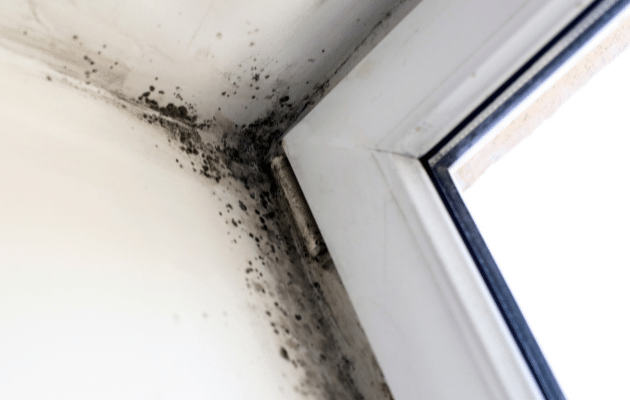
Facts vs Common Myths: HVAC Mold Insights for Homes in Hollywood
HVAC mold might be one of the most misunderstood problems inside Florida homes. Some people panic at the first dusty vent, while others ignore clear warning signs because “the AC still works.” Real inspections inside homes across Hollywood show that the truth sits somewhere in the middle—and it’s very different from what most homeowners believe.
Let’s clear up the biggest HVAC mold myths and replace them with what inspections actually reveal inside real homes.
Myth #1: “If My Air Is Cold, My HVAC System Is Fine”
Fact: Cooling Has Nothing to Do With Mold Conditions
This myth shows up constantly. An HVAC system can cool perfectly while mold quietly grows inside it.
Inspections often reveal:
- Mold inside air handlers
- Condensation buildup on coils
- Wet insulation inside ducts
- Standing water in drain pans
Cold air doesn’t equal clean air. Mold doesn’t care how comfortable the house feels.
Myth #2: “Dusty Vents Mean Mold”
Fact: Dust and Mold Are Not the Same Thing
Dusty vents look alarming, but dust alone doesn’t mean mold exists.
Inspectors differentiate by looking for:
- Moisture presence
- Musty odors
- Active condensation
- Growth inside components, not on covers
Dust is common. Mold requires moisture—and inspections focus there first.
Myth #3: “HVAC Mold Only Happens in Old Systems”
Fact: Newer Systems Can Develop Mold Faster
Homes in Hollywood with newer HVAC systems still show mold issues.
Why?
- Oversized systems short-cycle
- Less runtime means less dehumidification
- Tightly sealed homes trap moisture
- Condensation forms quickly
New equipment doesn’t prevent mold if moisture control falls short.
Myth #4: “If I Don’t Smell Anything, There’s No Mold”
Fact: Odors Come and Go—Mold Doesn’t
Musty smells fluctuate based on humidity and airflow.
Inspections frequently find HVAC mold even when:
- Odors fade temporarily
- Smells only appear during AC cycles
- The home smells fine most days
FYI, odor absence doesn’t equal mold absence.
Myth #5: “Air Duct Cleaning Gets Rid of HVAC Mold”
Fact: Cleaning Removes Dust—Not Mold Conditions
This is one of the costliest misunderstandings.
Inspectors consistently see:
- Clean ducts with contaminated air handlers
- Mold returning after duct cleaning
- Moisture sources left untreated
Air duct cleaning helps with debris. Mold remediation addresses contamination and moisture.
Myth #6: “Bleach or Spray Inside Vents Solves the Problem”
Fact: Sprays Don’t Reach the Source
DIY sprays rarely reach where mold actually grows.
Inspections show sprays:
- Miss internal components
- Don’t fix condensation
- Leave insulation contaminated
- Spread spores during application
IMO, spraying vents treats symptoms—not causes.
Myth #7: “HVAC Mold Stays Inside the System”
Fact: HVAC Systems Spread Mold Efficiently
Once mold grows anywhere inside the system, airflow distributes spores throughout the home.
Inspectors often connect HVAC mold to:
- Growth near vents
- Musty odors in multiple rooms
- Recurring mold after cleaning
- Indoor air quality complaints
HVAC systems don’t contain mold—they circulate it.
Myth #8: “If the Filter Is Clean, the System Is Clean”
Fact: Filters Don’t Protect Internal Components
Filters help with dust, not moisture-related mold growth.
Inspections often find:
- Clean filters
- Moldy coils
- Wet drain pans
- Contaminated duct liners
Filters don’t stop condensation—and condensation feeds mold.
Myth #9: “HVAC Mold Means the Whole System Must Be Replaced”
Fact: Many Systems Can Be Remediated
Replacement isn’t always necessary.
Depending on findings, remediation may include:
- Cleaning contaminated components
- Removing affected insulation
- Correcting drainage issues
- Improving airflow
- Controlling humidity
Replacement becomes necessary only when contamination or damage goes too far.
Myth #10: “HVAC Mold Problems Show Up Fast”
Fact: HVAC Mold Builds Quietly Over Time
Most HVAC mold cases develop slowly.
Inspections reveal long-term patterns:
- Chronic condensation
- Recurring humidity issues
- Small drainage problems
- Gradual contamination
By the time symptoms appear, mold often had months—or years—to spread.
What HVAC Mold Inspections Actually Focus On
Professional inspections don’t start with vents—they start with conditions.
Inspectors evaluate:
- Moisture and condensation
- Drainage performance
- Coil condition
- Duct insulation
- Airflow patterns
- Indoor humidity levels
Mold follows moisture every time.
Why Hollywood Homes Face Higher HVAC Mold Risk
Homes here deal with:
- High year-round humidity
- Heavy AC usage
- Condensation-prone systems
- Limited natural ventilation
- Storm-related moisture
These conditions make HVAC systems especially vulnerable to mold growth.
Early HVAC Mold Warning Signs People Miss
Watch for:
- Musty smells during cooling cycles
- Odors strongest near vents
- Dust returning quickly
- Rooms that never feel fresh
- Allergy symptoms indoors
FYI, these signs often appear before visible mold.
Why Ignoring HVAC Mold Costs More Later
Inspection data shows delay expands scope.
Waiting often leads to:
- System-wide contamination
- Duct insulation removal
- Air handler remediation
- Higher labor and equipment costs
- Longer disruption
Early action usually prevents full-system involvement.
Practical HVAC Mold Advice for Hollywood Homeowners
You don’t need panic—just awareness.
Smart steps include:
- Monitoring indoor humidity
- Addressing condensation quickly
- Checking AC drain lines
- Investigating musty odors early
- Scheduling HVAC-focused inspections
Small adjustments early prevent major problems later.
Final Thoughts: Facts Beat HVAC Mold Myths Every Time
HVAC mold doesn’t behave the way most people think it does. Real inspections in Hollywood show that mold follows moisture, not age, not dust, and not how cold the air feels.
When homeowners move past myths, focus on moisture control, and address HVAC systems early, mold usually stays manageable—and homes stay comfortable, clean, and drama-free 🙂
