
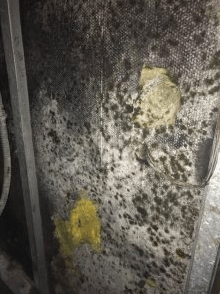
Facts vs Common Myths: HVAC Mold Insights for Homes in Pompano Beach
Living in Pompano Beach means enjoying coastal breezes, warm weather, and year-round sunshine—but it also means dealing with high humidity almost every day of the year. That humidity makes HVAC mold one of the most misunderstood and common indoor air quality issues for homeowners across Broward County.
Unfortunately, misinformation leads many homeowners to either ignore real problems or panic over things that aren’t actually mold-related. Let’s break down the facts versus common myths about HVAC mold, explained simply and specifically for homes in Pompano Beach, Florida.
Fact: Pompano Beach’s Climate Makes HVAC Mold More Likely
Mold thrives in warm, moist environments—and Pompano Beach provides ideal conditions.
Local factors that increase HVAC mold risk include:
- Coastal humidity that stays high year-round
- Heavy AC use, even in winter months
- Salt air that accelerates HVAC wear
- Condensation forming on cold AC components
- Homes with limited natural ventilation
This doesn’t mean every home has HVAC mold, but it does mean the risk is higher here than in drier climates.
Myth: If You Don’t See Mold, You Don’t Have Mold
One of the biggest misconceptions is that mold must be visible to be a problem.
In reality, HVAC mold often grows:
- Inside air ducts
- On evaporator coils
- In drain pans and clogged drain lines
- Inside air handlers
- Behind vent covers
Because these areas are hidden, mold can affect your home’s air quality long before you ever see a dark spot on a vent.
Fact: HVAC Mold Can Affect the Air You Breathe Every Day
Unlike surface mold in a bathroom or kitchen, HVAC mold directly impacts indoor air quality.
When mold grows inside an HVAC system, microscopic spores can be:
- Pulled into ductwork
- Distributed into every room
- Re-circulated continuously
This is why symptoms often feel constant instead of occasional.
Myth: HVAC Mold Only Affects People With Allergies
While allergy sufferers are often the first to notice symptoms, HVAC mold can affect anyone.
Common reactions include:
- Sneezing or coughing
- Throat irritation
- Headaches
- Fatigue
- Worsening asthma
- Persistent “stuffy” feeling indoors
Children, seniors, and those with respiratory conditions are especially vulnerable, but even healthy adults can develop symptoms with prolonged exposure.
Fact: Moisture Problems Are the Real Cause of HVAC Mold
Mold doesn’t appear randomly. In Pompano Beach homes, HVAC mold is usually tied to moisture issues such as:
- Clogged AC drain lines
- Poor airflow causing condensation buildup
- Dirty or infrequently changed air filters
- Oversized AC units that cool too fast without dehumidifying
- Ductwork running through humid attics
Fixing mold without fixing moisture almost guarantees the problem will return.
Myth: Spraying Bleach or Cleaner Into Vents Solves the Problem
Many homeowners attempt DIY fixes, believing bleach or store-bought sprays will eliminate HVAC mold.
In most cases, DIY efforts:
- Kill only surface mold, not roots
- Release more spores into the air
- Miss hidden contamination inside the system
- Spread mold deeper into ductwork
Surface cleaning rarely addresses the source of HVAC mold and can actually make indoor air quality worse.
Fact: HVAC Mold Can Increase Energy Bills
Mold and moisture buildup inside HVAC systems reduce efficiency. When airflow is restricted or components are dirty, your system works harder.
This often leads to:
- Higher electricity bills
- Uneven cooling throughout the home
- Increased strain on AC components
- Shorter system lifespan
Addressing HVAC mold can improve both comfort and energy efficiency.
Myth: New or Recently Renovated Homes Don’t Get HVAC Mold
Newer homes in Pompano Beach are not immune to HVAC mold. In fact, mold can develop quickly when:
- Construction moisture becomes trapped
- HVAC systems are not properly balanced
- Drainage issues exist from day one
- Humidity control is inadequate
Age matters far less than moisture management.
Fact: Professional HVAC Mold Inspections Go Beyond Vents
A proper inspection looks at the entire system, not just visible areas.
Professional evaluations often include:
- Inspecting air handlers and coils
- Checking drain pans and lines
- Examining duct interiors
- Measuring humidity levels
- Identifying airflow and ventilation issues
This approach helps prevent repeat mold problems.
Myth: HVAC Mold Will Eventually Go Away on Its Own
Mold does not disappear without intervention. As long as moisture remains, mold can continue to grow and spread.
Ignoring HVAC mold can result in:
- Ongoing allergy or respiratory symptoms
- Increased remediation costs later
- Damage to insulation and ductwork
- Long-term indoor air quality issues
Early action is always easier and more cost-effective.
Fact: HVAC Mold Prevention Is Possible in Pompano Beach
While Florida’s climate can’t be changed, homeowners can reduce risk by:
- Changing HVAC filters regularly
- Keeping indoor humidity below 55%
- Scheduling routine AC maintenance
- Ensuring drain lines stay clear
- Using exhaust fans in kitchens and bathrooms
- Addressing leaks immediately
Consistent maintenance makes a major difference.
Final Thoughts for Pompano Beach Homeowners
When it comes to HVAC mold, misinformation causes many homeowners to miss real warning signs. Understanding the facts versus common myths allows you to make informed decisions about your home’s air quality and long-term health.
In Pompano Beach, HVAC mold is not unusual—but it doesn’t have to be inevitable. With awareness, moisture control, and timely action, you can protect your HVAC system, your indoor air, and the people who live in your home.
