
Facts vs Common Myths: HVAC Mold Insights for Homes in Weston
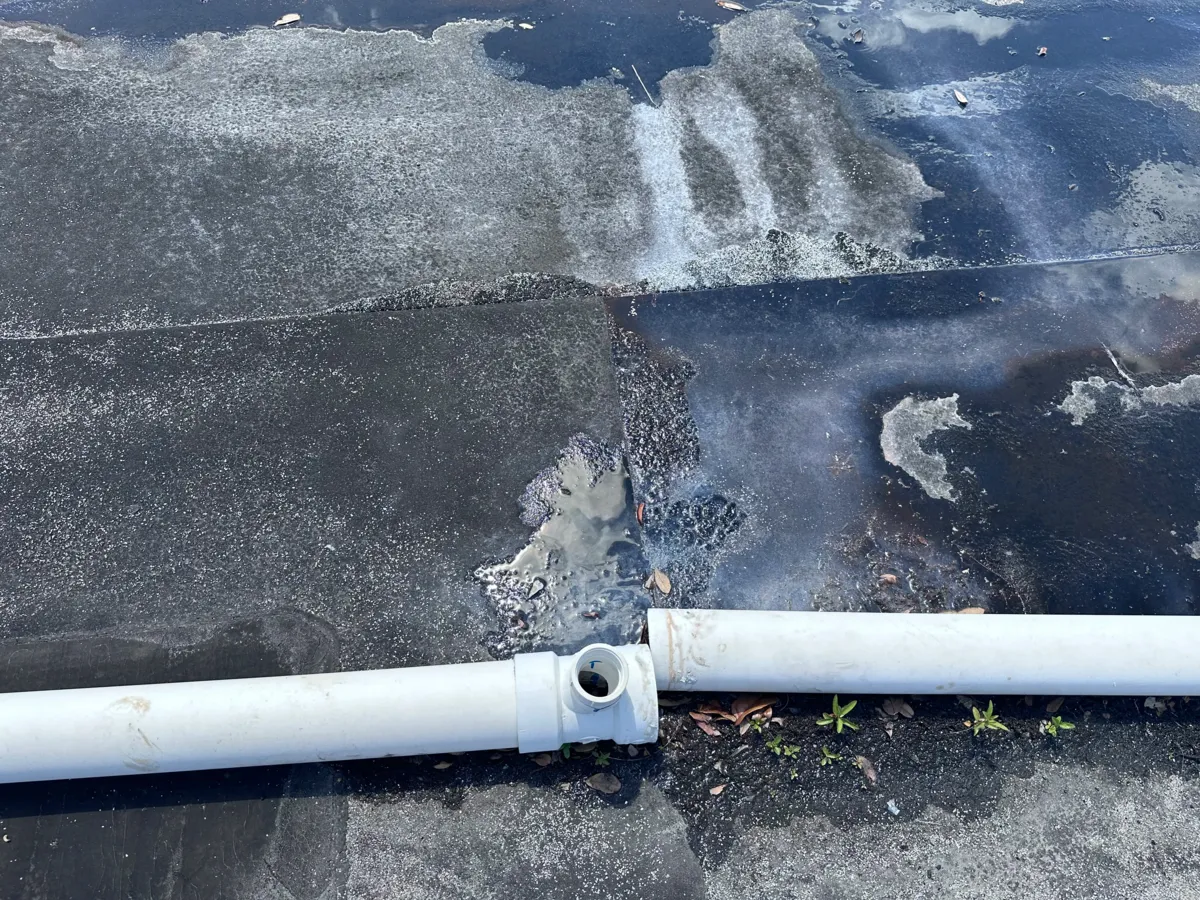
Let’s talk about the system that runs almost 24/7 in Weston — your HVAC.
Most homeowners assume, “If my AC works, my air is clean.”
That assumption causes more mold problems than you’d think.
Weston homes deal with humidity, sealed construction, and nonstop cooling cycles. That creates perfect conditions for HVAC-related mold growth. Ever smelled something musty right when the AC kicks on? Yeah… that’s usually not your imagination.
Let’s separate facts from myths.
Fact: HVAC Systems Naturally Create Moisture
Your AC removes humidity from the air. That process creates condensation on the evaporator coil.
That water drains through a condensate line.
If everything works properly, no problem.
If that drainage slows down or clogs? Moisture builds inside the unit.
Moisture + dust + darkness = mold growth.
Simple science.
Myth #1: “If I Change My Filter, I’m Protected”
Filters help. They don’t solve moisture.
Air filters capture particles. They do not:
- Stop condensation
- Fix clogged drain lines
- Prevent duct sweating
- Eliminate humidity imbalance
If moisture exists inside your air handler or ductwork, mold can grow regardless of how often you replace filters.
Filters manage airflow. Moisture control prevents mold.
Fact: Indoor Humidity Plays a Major Role
Weston homes often run cool but humid.
Indoor humidity above 60% significantly increases mold growth risk.
Oversized AC systems cause short cycling. That means they cool the air quickly but don’t run long enough to remove enough moisture.
The result?
Cool air. Damp environment.
And mold thrives in damp environments.
Myth #2: “If I Don’t See Mold on Vents, There Isn’t Any”
Visible mold on vent covers represents the tip of the iceberg.
HVAC mold often grows:
- Inside the air handler cabinet
- On evaporator coils
- In drain pans
- Inside duct insulation
- Along hidden duct seams
By the time you see dark spots on vents, growth usually exists deeper inside the system.
Surface cleaning doesn’t fix internal contamination.
Fact: Clogged Drain Lines Cause Many HVAC Mold Problems
One of the most common issues we see in Weston homes?
Clogged condensate drain lines.
When drain lines clog:
- Water backs up
- Drain pans overflow
- Internal humidity increases
- Mold begins forming inside the cabinet
Regular maintenance prevents most of these problems.
Skipping maintenance invites them.
Myth #3: “Bleach in the Drain Line Solves Everything”
Pouring bleach down the drain line helps with algae buildup.
It does not:
- Remove mold from coils
- Dry insulation
- Fix duct condensation
- Balance indoor humidity
Bleach is maintenance. It is not remediation.
If mold already grows inside ductwork, proper containment and HEPA filtration become necessary.
How Weston Homes Compare to Nearby Areas
Homes in Weston often feature:
- Tight building envelopes
- Impact windows
- Energy-efficient insulation
- Centralized duct systems
Nearby cities like Davie and Pembroke Pines share similar humidity conditions.
But Weston’s newer, tighter construction traps indoor moisture longer if ventilation isn’t balanced properly.
Efficiency sometimes reduces natural airflow.
Humidity stays trapped.
The 48-Hour Rule Applies Here Too
If standing water or heavy condensation sits inside HVAC components for more than 24–48 hours, microbial growth risk increases sharply.
Minor drain pan overflow incidents often get ignored.
Moisture that lingers internally rarely disappears on its own.
Signs Your HVAC May Have Mold Issues
Watch for:
- Musty smell when AC starts
- Increased indoor allergy symptoms
- Condensation around ceiling vents
- Frequent filter clogging
- Water stains near air handler closets
- Visible rust or corrosion inside cabinet
If symptoms improve outside the home, indoor air deserves evaluation.
What Proper HVAC Mold Remediation Looks Like
Real remediation includes:
- Inspection of air handler and duct system
- Clearing condensate drain lines
- Addressing humidity imbalance
- HEPA air filtration during cleaning
- Safe removal of contaminated insulation if necessary
- Antimicrobial treatment where appropriate
Skipping containment spreads spores into living spaces.
Professional remediation protects unaffected rooms.
Prevention Tips That Actually Work
If you want to reduce HVAC mold risk in Weston:
- Keep indoor humidity between 45–55%
- Schedule annual HVAC maintenance
- Clean drain lines regularly
- Check attic duct insulation
- Replace filters consistently
- Address musty odors immediately
Preventive maintenance costs far less than duct replacement.
Always.
The Financial Reality
Early maintenance usually involves:
- Drain line cleaning
- Coil cleaning
- Minor insulation repair
Delayed response can lead to:
- Duct replacement
- Multi-room remediation
- Extended air filtration
- Higher energy bills
HVAC mold spreads quietly because your system circulates air constantly.
Small issues become whole-house exposure problems fast.
Final Thoughts: HVAC Mold Is a Moisture Issue, Not a Mystery
There’s no mystery behind HVAC mold in Weston homes.
It’s moisture control. That’s it.
When you manage humidity, maintain drain lines, and inspect systems regularly, you reduce risk dramatically.
If you smell mustiness when the AC turns on, don’t ignore it.
Inspect early. Correct moisture. Maintain consistently.
Because your HVAC system should cool your home — not quietly compromise your indoor air quality.
