
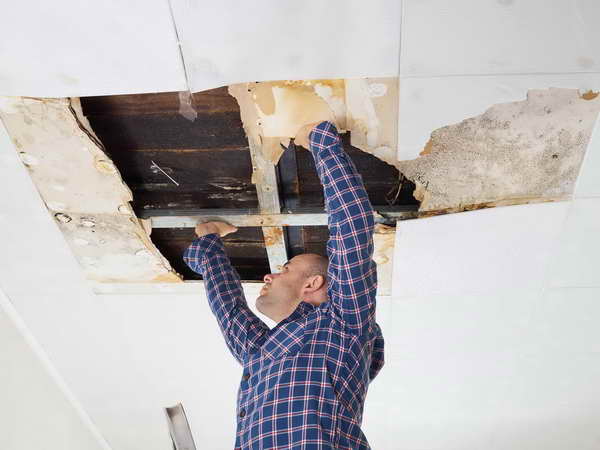
Facts vs Common Myths: Mold Remediation Insights for Homes in Fort Lauderdale
Mold remediation has a reputation problem. Somewhere along the way, facts got drowned out by fear, internet horror stories, and half-true advice that sounds convincing until it costs real money. After seeing what actually happens inside homes across Fort Lauderdale, one thing is clear: most mold remediation mistakes come from believing myths that feel logical but don’t match reality.
This guide separates facts from fiction using real inspection and remediation outcomes. No scare tactics. No sales pressure. Just straight talk about what mold remediation really involves, what actually works, and what homeowners get wrong over and over again.
The Big Fact Most People Miss
Mold remediation isn’t about killing mold. It’s about removing it and fixing the conditions that allowed it to grow.
Mold exists everywhere. Indoor problems start when mold grows where it shouldn’t and stays active. Spraying, fogging, or wiping without addressing moisture doesn’t solve anything long-term.
If remediation doesn’t change moisture and airflow, mold almost always comes back.
Myth #1: “Mold Remediation Means My House Is Dangerous”
Fact: Most Remediation Projects Are Controlled and Targeted
Hearing the word “remediation” makes people imagine extreme scenarios. In reality, many Fort Lauderdale homes need localized remediation, not demolition.
Early-stage remediation often involves:
- Small containment areas
- Limited material removal
- Targeted cleaning
- Moisture correction
Remediation doesn’t mean panic. It means addressing a problem before it spreads further.
Myth #2: “Bleach and Chemicals Can Replace Remediation”
Fact: Chemicals Don’t Remove Mold From Porous Materials
Bleach and antimicrobial sprays change how mold looks. They don’t remove it from materials like drywall, insulation, or wood.
On porous surfaces, chemicals:
- Don’t reach mold roots
- Leave moisture behind
- Allow faster regrowth
Professional remediation removes contaminated materials instead of trying to disinfect something that can’t be cleaned properly.
Stains disappearing doesn’t mean mold disappeared.
Myth #3: “If I Don’t See Mold, Remediation Isn’t Needed”
Fact: Hidden Mold Drives Most Remediation Jobs
Visible mold usually represents a small part of the problem.
In Fort Lauderdale homes, remediation often addresses mold found:
- Behind drywall
- Under flooring
- Inside wall cavities
- Inside HVAC systems
By the time mold becomes visible, hidden growth often stayed active for weeks or months. Waiting for visual confirmation almost always increases remediation scope.
Why Fort Lauderdale Homes See Repeat Remediation Issues
Humidity Keeps Conditions Favorable
Fort Lauderdale homes deal with high humidity most of the year. Materials dry slowly. Moisture lingers.
That means:
- Small moisture issues escalate faster
- Mold growth stabilizes easily
- Incomplete remediation fails quickly
This climate doesn’t forgive shortcuts.
HVAC Systems Multiply the Impact
Once mold affects HVAC systems, exposure becomes whole-home.
Air handlers and ducts:
- Create condensation naturally
- Spread spores efficiently
- Re-contaminate clean areas
Ignoring HVAC involvement almost guarantees repeat remediation.
Myth #4: “Mold Remediation Creates More Problems Than It Solves”
Fact: Remediation Reveals Existing Damage—It Doesn’t Create It
Some homeowners believe remediation “opens up” issues that weren’t there before.
In reality:
- Mold damage already exists
- Moisture already affected materials
- Remediation simply exposes it
Delaying remediation allows mold to penetrate deeper, which increases how much material eventually needs removal.
Early remediation often limits damage instead of expanding it.
Myth #5: “Once Mold Is Removed, It Can’t Come Back”
Fact: Mold Returns When Moisture Returns
Remediation removes mold present at the time. It doesn’t grant immunity.
Mold comes back when:
- Humidity stays high
- Leaks recur
- HVAC condensation continues
- Ventilation remains poor
Successful remediation always pairs removal with moisture control. Skipping that step turns remediation into a temporary reset.
What Proper Mold Remediation Actually Includes
Containment Prevents Spread
Professional remediation uses containment to keep spores from spreading.
Containment typically includes:
- Physical barriers
- Negative air pressure
- HEPA filtration
DIY attempts often skip containment, which spreads spores and increases the affected area.
Removal Means Removal
Porous materials don’t clean well. That’s why remediation removes them.
This often includes:
- Drywall sections
- Insulation
- Carpet padding
- Damaged wood
Non-porous materials get cleaned thoroughly. Porous ones usually don’t get second chances.
Myth #6: “Air Testing Alone Determines Remediation”
Fact: Conditions Matter More Than One Test Result
Air testing helps identify exposure, but remediation decisions don’t rely on one number.
Professionals consider:
- Moisture readings
- Visible and hidden growth
- HVAC involvement
- Material condition
Patterns matter more than isolated results. Remediation plans follow conditions, not fear.
Why DIY Cleanup Often Increases Remediation Cost
DIY cleaning feels proactive. Inspection data says otherwise.
DIY efforts often:
- Spread spores during scrubbing
- Miss hidden growth
- Ignore HVAC contamination
- Leave moisture untouched
By the time professionals step in, mold spread farther and remediation scope grows. The final cost reflects that delay.
FYI, many large remediation jobs started with repeated DIY cleaning attempts.
HVAC Systems: The Most Expensive Myth Zone
Myth: “Duct Cleaning Fixes Mold Remediation”
Fact: Duct Cleaning Is Only One Piece
Duct cleaning removes dust. It doesn’t fix:
- Condensation problems
- Dirty coils
- Drain line failures
- High humidity
If HVAC systems stay wet, mold returns even after remediation. That’s why remediation plans often include HVAC evaluation.
Health Concerns Without the Drama
Fact: Exposure Patterns Matter More Than Mold Type
In Fort Lauderdale homes, health complaints often include:
- Congestion indoors
- Coughing or throat irritation
- Fatigue
- Headaches
- Asthma flare-ups
Symptoms often improve outside the home. That pattern points to exposure, not panic-level danger.
Reducing exposure improves symptoms far more reliably than chasing mold types online.
When Mold Remediation Is Truly Necessary
Remediation makes sense when:
- Mold affects porous materials
- Growth appears repeatedly
- HVAC systems distribute contamination
- Occupants experience ongoing symptoms
- Moisture sources already got identified
In these cases, remediation protects both the structure and the people inside it.
What the Cost Data Actually Shows
Early Remediation Costs Less
Homes that act early usually need:
- Smaller containment
- Less material removal
- Shorter timelines
Costs stay manageable.
Delayed Remediation Costs More
Waiting often leads to:
- Expanded affected areas
- HVAC remediation
- Longer projects
- Higher disruption
Same moisture issue. Different timing. Bigger bill.
Facts vs Myths, Simplified
Myth: Mold remediation is extreme
Fact: Early remediation is controlled
Myth: Chemicals solve mold
Fact: Removal solves mold
Myth: No visible mold means no problem
Fact: Hidden growth is common
Myth: Remediation creates damage
Fact: It reveals existing damage
Myth: Mold can’t return after removal
Fact: Moisture decides that
Lessons From Real Homes in Fort Lauderdale
Across inspections and remediation projects, one lesson repeats. Homes that address mold early spend less and recover faster.
Homes that delay usually face larger projects and longer exposure. The difference isn’t severity. It’s understanding what remediation actually does.
IMO, mold remediation feels intimidating only until homeowners understand it’s about control—not catastrophe.
Practical Takeaways Homeowners Can Use
Here’s the grounded version:
- Mold remediation removes, not sprays
- Moisture control determines success
- HVAC systems matter
- Hidden growth is common
- Early action limits cost
Those facts don’t change based on opinions or trends.
Final Thoughts: Facts Make Mold Remediation Manageable
Mold remediation in Fort Lauderdale homes doesn’t need fear to work. It needs accurate information and timely action. Myths delay solutions. Facts shorten timelines and reduce cost.
Once homeowners understand that mold remediation is a practical process—not a disaster response, decisions get clearer, calmer, and far more effective.
