
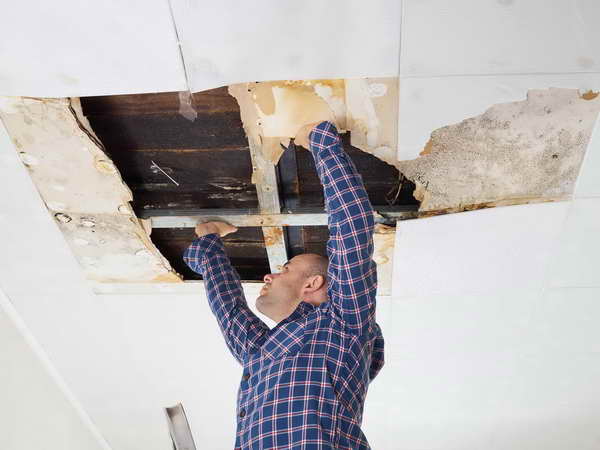
Facts vs Common Myths: Mold Remediation Insights for Homes in North Lauderdale
Let’s be honest—mold remediation gets buried under bad advice. Everyone has a tip, a spray, or a “my cousin fixed it this way” story. In North Lauderdale homes, we see the same myths pop up again and again, and they usually cost homeowners time, money, and patience.
This article cuts through the noise. These insights come straight from real remediation work in North Lauderdale—not internet rumors. We’ll break down what’s true, what’s not, and what actually works when mold shows up.
Myth #1: Mold Remediation Is Just Cleaning Mold
Fact: Mold remediation goes way beyond cleaning.
Cleaning removes what you see. Remediation removes mold and fixes the conditions that allowed it to grow. If moisture stays, mold returns. Every time.
Real remediation focuses on:
- Identifying and fixing moisture sources
- Containing affected areas
- Safely removing contaminated materials
- Preventing future growth
Ever cleaned mold only to see it come back weeks later? That wasn’t bad luck—it was incomplete remediation.
Myth #2: Bleach Solves Mold Problems
This myth refuses to die. Bleach does not solve mold issues, especially in Florida homes.
Here’s the reality:
- Bleach doesn’t penetrate porous materials
- It evaporates quickly, leaving moisture behind
- Mold often grows deeper than the surface
In North Lauderdale inspections, we regularly find mold thriving under areas homeowners treated with bleach. Bleach makes things look clean while the problem keeps growing quietly.
Myth #3: Mold Remediation Means Tearing Apart the Whole House
Fact: Most remediation jobs stay targeted and controlled.
When mold is caught early, remediation often focuses on specific areas. Full-home remediation usually happens only after long-term neglect or major water damage.
Professional remediation uses:
- Containment barriers
- HEPA filtration
- Controlled removal techniques
IMO, early action saves walls, ceilings, and sanity.
Myth #4: If You Can’t See Mold, You Don’t Need Remediation
This one gets homeowners into trouble fast. Visible mold represents only part of the problem.
In North Lauderdale homes, we frequently find mold:
- Behind drywall
- Inside HVAC systems
- Under cabinets
- Above ceilings
Mold doesn’t need an audience. It grows where moisture exists, not where it’s convenient to spot.
Myth #5: Mold Remediation Guarantees Mold Will Never Return
Fact: Remediation works when moisture control continues.
No remediation service can promise mold will never come back. Florida’s climate doesn’t allow that kind of certainty. What remediation does do is remove active mold and reset conditions.
Mold returns only when:
- Moisture sources persist
- Humidity stays high
- Maintenance gets ignored
Ever wondered why some homes never have mold issues? It’s not luck—it’s moisture management.
The Real Goal of Mold Remediation
Here’s what proper remediation actually aims to accomplish:
- Stop active mold growth
- Improve indoor air quality
- Prevent cross-contamination
- Reduce future mold risk
Remediation isn’t cosmetic—it’s corrective. That distinction matters.
Why North Lauderdale Homes Face Unique Mold Challenges
North Lauderdale homes deal with high humidity, frequent AC use, and a mix of older and renovated properties. That combination creates consistent moisture challenges.
From real projects, common triggers include:
- Past roof leaks
- Aging plumbing
- HVAC condensation
- Poor ventilation
Mold doesn’t mean a home is poorly maintained. It usually means moisture stayed hidden too long.
Mold Removal vs. Mold Remediation (They’re Not the Same)
Let’s clear this up cleanly.
Mold Removal
- Targets visible mold
- Often short-term
- Doesn’t always fix the cause
Mold Remediation
- Addresses mold and moisture
- Uses containment and filtration
- Focuses on long-term prevention
FYI—choosing removal-only services often leads to repeat costs. That’s a frustrating cycle.
What Proper Mold Remediation Looks Like
Professional remediation follows a clear process.
A proper approach includes:
- Inspection and moisture identification
- Containment of affected areas
- HEPA air filtration
- Safe removal of contaminated materials
- Cleaning and treatment of remaining surfaces
- Moisture correction
If moisture isn’t addressed, remediation isn’t complete. Simple rule.
DIY Mold Remediation: When It Works (and When It Doesn’t)
DIY cleanup can help with:
- Small surface mold
- Non-porous materials
- Temporary control
DIY fails when:
- Mold hides behind walls
- HVAC systems are involved
- Moisture sources remain active
- Mold spreads beyond one area
We’ve seen well-meaning DIY efforts accidentally spread spores throughout homes. That’s never the goal :/
How to Reduce Mold Risk After Remediation
Remediation works best when homeowners stay proactive.
Smart habits include:
- Keep indoor humidity below 55%
- Fix leaks immediately
- Maintain HVAC drain lines
- Use bathroom exhaust fans
- Address musty smells early
Small habits protect big investments.
Final Thoughts: Facts Save Money, Myths Don’t
In North Lauderdale homes, mold remediation succeeds when it’s based on facts—not shortcuts or myths. Mold problems feel overwhelming when misunderstood, but they become manageable with the right information and approach.
If mold shows up in your home, don’t rely on internet fixes or guesswork. Understanding what remediation actually does—and what it doesn’t—makes all the difference.
