
Facts vs Common Myths: Mold Removal Insights for Homes in Broward County
Let’s start with a scene I see all over Broward County. A homeowner finds mold, Googles solutions, and suddenly the internet screams: “Tear everything out immediately!” or “Just spray bleach and you’re done!” Both extremes miss the truth.
After years of mold inspections and remediation work across Broward County homes, I’ve learned this: mold removal sits somewhere between panic and ignoring the problem. So today, we’re busting myths and laying out real-world facts homeowners actually need.
Ready to separate truth from internet drama? Let’s get into it.
Why Mold Removal Gets So Confusing for Homeowners
Mold scares people, and honestly, some companies lean hard into fear-based marketing. But real inspections show mold problems usually follow simple moisture issues, not horror movie scenarios.
Mold grows when:
- Water damage goes untreated
- Humidity stays high
- Ventilation stays poor
- Leaks remain hidden
Ever wonder why one home has mold while the neighbor’s doesn’t? Usually, it comes down to moisture control, not luck.
And trust me, panic decisions often cost homeowners more money than smart inspections do.
Myth #1: “All Mold Is Deadly”
Fact: Mold Risk Depends on Exposure and Conditions
Here’s the reality from inspections: not every mold situation creates severe risk. Mold becomes a bigger problem when:
- Growth covers large areas
- Mold hides inside walls or HVAC systems
- Exposure continues long-term
- Moisture remains unresolved
Small mold patches sometimes stay manageable if addressed early. But ignoring mold lets it spread.
Ever leave a tiny leak untouched and suddenly face bigger repairs later? Same idea.
Myth #2: “Bleach Fixes Mold Permanently”
Fact: Bleach Rarely Solves the Root Problem
This one shows up constantly. Homeowners spray bleach, scrub surfaces, and think the job’s done.
But here’s what inspections reveal:
- Bleach cleans surfaces only
- Mold roots stay inside materials
- Moisture still feeds regrowth
- Mold often returns weeks later
Surface cleaning without fixing moisture equals temporary results.
Ever clean mold only to watch it pop back up? Moisture stayed hidden somewhere.
IMO, bleach gives false confidence more than real solutions.
Myth #3: “If You Can’t See Mold, You Don’t Have Mold”
Fact: Mold Often Hides Out of Sight
In Broward County homes, we frequently discover mold:
- Behind drywall
- Under flooring
- Inside air ducts
- Behind cabinets
- Above ceilings
Homes can look spotless while mold grows quietly inside.
Ever smell something musty but see nothing wrong? Mold often hides where homeowners never look.
FYI, inspections often reveal bigger issues than expected.
Myth #4: “New Homes Don’t Get Mold”
Fact: Mold Doesn’t Care About Home Age
I inspect brand-new homes with mold problems regularly. Mold doesn’t check construction dates.
Mold grows when:
- AC systems create condensation
- Construction moisture stays trapped
- Poor ventilation exists
- Drainage systems clog
- Humidity remains high
Ever assume newer equals safer? Mold ignores home age entirely.
Moisture management matters more than construction year.
What Real Mold Removal Actually Looks Like
Now let’s clear up what professional mold removal involves, because movies make it look dramatic.
Steps in Professional Mold Removal
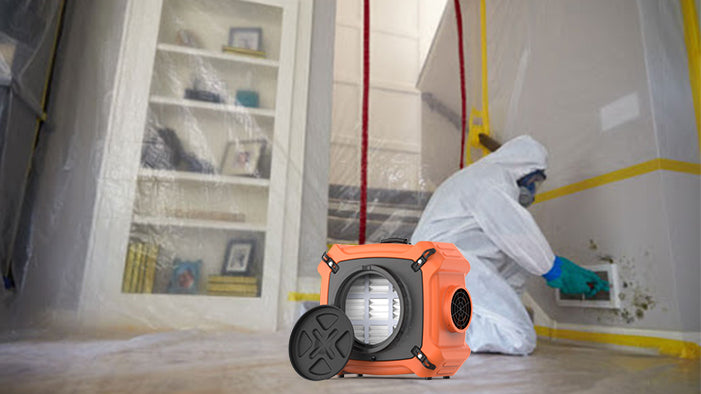
Real mold removal typically includes:
- Inspection and moisture detection
- Containment of affected areas
- Air filtration setup
- Removal of contaminated materials
- Cleaning affected surfaces
- Drying and prevention steps
Professionals contain mold so spores don’t spread to clean areas during cleanup.
Ever try cleaning dust only to spread it everywhere? Mold works the same way without containment.
Mold Removal vs Mold Remediation — Big Difference
Homeowners often mix these terms up, so let’s simplify things.
Mold Removal Handles Surface Growth
Removal focuses on:
- Cleaning visible mold
- Removing damaged materials
- Surface treatments
Mold Remediation Fixes the Root Cause
Remediation includes:
- Fixing moisture sources
- Drying structures
- Cleaning HVAC systems
- Preventing future mold growth
Remediation keeps mold from returning, while removal alone may not.
Ever fix a symptom but not the cause? Same situation.
What Inspections Reveal Across Broward County Homes
Patterns repeat across cities like Plantation, Hollywood, Tamarac, and beyond.
Common Mold Sources Found
Inspections frequently uncover mold caused by:
- Roof leaks after storms
- AC condensation problems
- Bathroom moisture buildup
- Hidden plumbing leaks
- Past flooding
- Poor ventilation
And here’s the twist—many homeowners never noticed moisture issues before mold appeared.
Why? Because moisture hides before mold shows itself.
Signs Mold Removal Might Be Needed
Homes usually give early warnings, but homeowners sometimes overlook them.
Warning Signs to Watch For
Pay attention if you notice:
- Musty odors
- Peeling paint
- Ceiling stains
- Warped flooring
- Indoor allergy symptoms
- Persistent humidity
- Mold returning after cleaning
Ever feel better outside your home? Indoor air quality might be the issue.
Ignoring signs almost always increases cleanup costs later.
How Homeowners Can Reduce Mold Risks
Here’s the good news—you don’t need massive upgrades to lower mold risk.
Simple Mold Prevention Tips
Try these practical steps:
- Fix leaks quickly
- Maintain AC systems yearly
- Run bathroom exhaust fans
- Keep humidity below 60%
- Dry wet areas immediately
- Schedule inspections after storms
Small habits today prevent major repairs tomorrow 🙂
When Should You Call Mold Professionals?
DIY cleanup works for tiny surface spots, but larger problems need expert help.
Call professionals when:
- Mold covers large areas
- Flooding occurred recently
- Mold returns repeatedly
- Musty smells persist
- Allergy symptoms worsen indoors
- You suspect hidden mold
Professionals prevent contamination from spreading during cleanup.
Why gamble with indoor air quality when experts can handle it safely?
Why Local Experience Matters in Broward County
Homes across Broward County share common humidity and storm-related moisture risks. Local professionals understand:
- Coastal humidity patterns
- Storm-driven water intrusion
- Typical building construction issues
- Ventilation weaknesses
Experience speeds up diagnosis and prevents unnecessary work.
And honestly, nobody wants trial-and-error solutions in their own home.
Final Thoughts: Facts Beat Mold Myths Every Time
Real inspections teach one clear lesson: mold problems follow moisture, not myths. Fear tactics and internet shortcuts don’t fix homes—proper inspections and moisture control do.
Smart homeowners act early, fix leaks quickly, and schedule inspections when needed. Those simple actions keep removal projects small and manageable.
So next time someone throws mold horror stories your way, ask yourself, “Do I have a moisture problem or just misinformation?”
Fix moisture early, address mold properly, and your Broward County home stays healthier, safer, and mold-free for years to come.
