
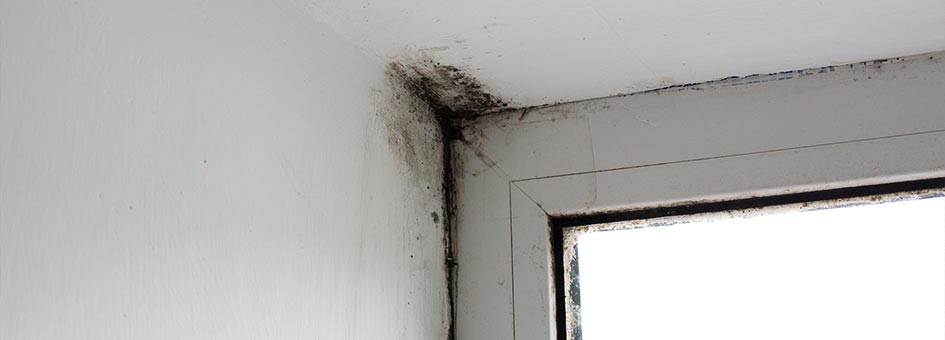
Facts vs Common Myths: Mold Removal Insights for Homes in Pembroke Pines
Mold removal gets misunderstood more than almost any other home service. Some homeowners think it’s just scrubbing walls. Others think it requires tearing the whole house apart. Real-world inspections and remediation projects inside homes across Pembroke Pines show something very different. Most mold problems fall somewhere in the middle—and the biggest mistakes come from believing the wrong myths.
Let’s separate facts from fiction and talk about what actually works, what doesn’t, and why mold removal often fails when the basics get ignored.
Myth #1: Mold Removal Is Just Cleaning
Fact: Cleaning and Mold Removal Are Not the Same Thing
This misconception causes repeat mold problems.
Here’s the real difference:
- Cleaning removes visible surface mold
- Mold removal addresses contaminated materials
- Remediation fixes the moisture conditions that caused the mold
If moisture stays active, mold removal never truly succeeds—no matter how clean things look.
Myth #2: Bleach Solves Mold Problems
Fact: Bleach Changes Color, Not Conditions
Bleach makes mold disappear visually, which feels like success. Inspectors usually find otherwise.
Common post-bleach findings include:
- Active mold beneath painted or bleached surfaces
- Moist drywall sealed behind coatings
- Faster regrowth in the same areas
IMO, bleach hides mold better than it removes it—especially on porous materials.
Myth #3: Mold Removal Means Tearing Out the Whole House
Fact: Scope Depends on Spread and Moisture
Not every mold issue requires demolition.
Real remediation scopes depend on:
- How long moisture stayed active
- Which materials absorbed water
- Whether HVAC systems are involved
- How far growth spread
Early intervention often limits removal to targeted areas only.
Myth #4: If Mold Is Gone, the Problem Is Solved
Fact: Mold Returns When Moisture Isn’t Fixed
This is one of the most expensive myths homeowners believe.
Mold comes back when:
- Humidity stays high
- Condensation continues
- Leaks never get fixed
- Wet materials stay sealed in
- HVAC systems spread spores
Successful mold removal always includes moisture control.
Myth #5: Mold Removal Is Only Necessary When Mold Is Visible
Fact: Most Mold Removal Projects Involve Hidden Growth
Visible mold usually appears late.
Inspectors often find hidden mold:
- Behind drywall
- Inside wall cavities
- Under flooring
- Behind baseboards
- Inside insulation
- Inside AC closets
- Within duct liner insulation
Removing visible mold without addressing hidden growth almost guarantees failure.
Myth #6: Mold Removal Always Improves Indoor Air Quality Immediately
Fact: Air Quality Improves After Conditions Change
Mold removal helps, but air quality improves fully when moisture behavior changes.
Inspectors note better results when:
- Humidity gets controlled
- Condensation stops
- HVAC systems get addressed
- Contaminated materials get removed
- Drying completes fully
Removing mold without fixing airflow or humidity limits results.
Myth #7: DIY Mold Removal Works for Most Homes
Fact: DIY Works Only for Very Small, Dry Issues
DIY efforts succeed only when:
- Growth is minimal
- Materials are non-porous
- Moisture sources are fixed
- Humidity stays controlled
Most remediation failures happen after repeated DIY attempts that delay proper fixes.
Myth #8: Mold Removal Is the Same Everywhere
Fact: Florida Homes Play by Different Rules
Pembroke Pines homes face unique conditions.
Local factors include:
- High year-round humidity
- Heavy AC usage
- Condensation-prone HVAC systems
- Storm-driven moisture
- Slow natural drying
Mold removal methods that work elsewhere often fail here without moisture control.
Myth #9: Odors Mean Mold Removal Failed
Fact: Odors Often Fade Gradually as Conditions Improve
Odors don’t always disappear overnight.
Inspectors often explain lingering odors when:
- Materials dry slowly
- Humidity takes time to stabilize
- HVAC airflow redistributes air
- Multiple moisture sources existed
Persistent odors deserve attention—but brief odor changes don’t always mean failure.
Myth #10: Mold Removal Is All About Chemicals
Fact: Moisture Control Matters More Than Products
Products don’t stop mold—conditions do.
Successful mold removal focuses on:
- Removing contaminated materials
- Drying affected areas thoroughly
- Fixing leaks and condensation
- Managing indoor humidity
- Balancing airflow
Chemicals without moisture control rarely deliver long-term results.
What Mold Removal Actually Looks Like in Pembroke Pines Homes
Real remediation projects usually include:
- Containment of affected areas
- Removal of damaged materials
- Thorough drying
- HVAC evaluation
- Moisture source correction
- Verification before rebuilding
It’s methodical—not chaotic.
Why Mold Removal Costs Rise When Action Gets Delayed
Inspection data shows timing matters.
Delayed mold removal often leads to:
- Wider contamination
- More material removal
- HVAC system involvement
- Higher labor and equipment needs
- Longer disruption
The most expensive projects didn’t start worse—they started ignored.
Early Warning Signs Mold Removal May Be Needed
Watch for:
- Mold returning after cleaning
- Musty odors that persist
- Condensation near vents
- Rooms that never feel dry
- Paint bubbling or peeling
- Allergy symptoms indoors
These signs usually appear before visible mold spreads.
Practical Advice From Experts That Actually Helps
You don’t need panic—just accuracy.
Experts recommend:
- Fixing moisture first
- Avoiding surface-only solutions
- Investigating hidden areas
- Monitoring humidity
- Addressing HVAC involvement early
- Acting before mold spreads
Good decisions early prevent bad surprises later.
Why Pembroke Pines Homes Benefit From Early, Informed Action
Homes here deal with:
- Consistent humidity
- Heavy AC dependence
- Condensation-prone systems
- Storm-related moisture risks
Early, informed mold removal keeps projects smaller and costs lower.
Final Thoughts: Mold Removal Works When Myths Don’t Drive Decisions
Mold removal fails most often when homeowners follow myths instead of facts. Real inspections in Pembroke Pines show that success depends on timing, moisture control, and understanding what mold actually needs to survive.
Skip the shortcuts. Respect the science. When moisture gets controlled and removal is done properly, mold usually stays gone—and homes stay healthier, calmer, and far less expensive to maintain 🙂
