
Facts vs Common Myths: Mold Testing Insights for Homes in Deerfield Beach
People hear a lot about mold, but honestly, half of what homeowners believe comes from myths, not facts. I’ve walked into plenty of homes in Deerfield Beach and across Broward County where people felt sure they understood mold—until testing told a completely different story.
Ever assumed that if you don’t see mold, you don’t have mold? You’re definitely not alone.
Why Mold Testing Matters More Than Most People Think
Many homeowners rely on visual checks alone. That approach sounds reasonable, but it misses a huge part of the picture.
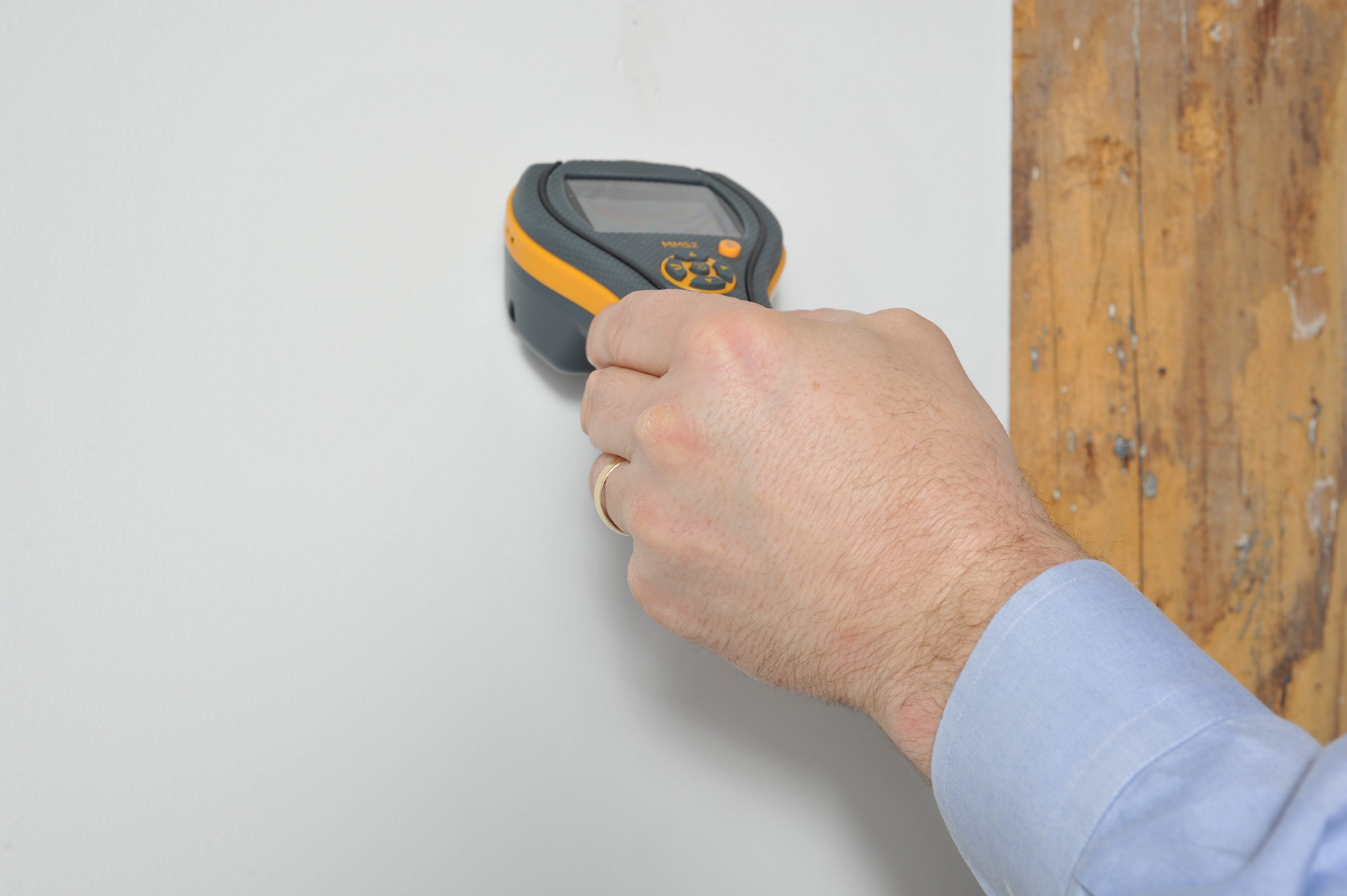
Mold testing identifies hidden spores, moisture conditions, and air quality issues before visible growth appears. Mold often grows behind walls, under flooring, or inside ducts where nobody looks.
I remember inspecting a home in Deerfield Beach where everything looked spotless. Testing showed elevated airborne spores coming from an AC closet the owner never opened. Surprised? They definitely were.
Myth #1: “If I Don’t See Mold, It Isn’t There”
This myth pops up constantly.
The Reality
Mold grows in places you rarely see:
- Inside drywall
- Behind cabinets
- Under carpets
- Inside HVAC systems
Mold spores travel through air, so you might notice symptoms before you notice growth. That’s why mold inspection and mold testing work together—they uncover problems early.
Ask yourself this: when was the last time you looked inside your ductwork?
Myth #2: “A Musty Smell Is Normal in Florida Homes”
Humidity plays a big role in Florida homes, but that doesn’t make musty smells normal.
The Reality
A persistent musty odor almost always indicates:
- Hidden moisture
- Early mold growth
- Poor ventilation
- AC condensation issues
Ignoring odors allows mold colonies to expand quietly. By the time stains appear, remediation often becomes more extensive.
Myth #3: “Bleach Solves Mold Problems”
This one spreads everywhere online, and it causes a lot of repeat problems.
The Reality
Bleach may lighten stains, but it often fails to remove roots embedded in porous materials like drywall or wood. Mold removal and mold remediation require addressing the moisture source, not just cleaning the surface.
IMO, bleach works best for disinfecting non-porous surfaces—not solving mold problems inside walls.
What Mold Testing Actually Measures
Homeowners sometimes think testing only confirms mold presence. Testing actually reveals much more.
Key Things Mold Testing Detects
Professional mold testing can identify:
- Airborne spore levels
- Types of mold present
- Hidden moisture patterns
- Indoor air quality concerns
These insights help determine whether a situation needs targeted mold removal or full mold remediation.
Testing removes guesswork, and honestly, guesswork costs homeowners the most money in the long run.
Why Deerfield Beach Homes Face Higher Mold Risk
Deerfield Beach homes deal with environmental factors that encourage moisture buildup.
Local Conditions That Increase Risk
Homes in this area often experience:
- High humidity year-round
- Frequent summer storms
- Salt-air exposure near the coast
- Older insulation or duct systems
Warm, humid air enters homes daily, and air conditioning systems work constantly. That cycle creates condensation in attics, ducts, and walls.
Ever noticed vents sweating or closets feeling damp? That’s a red flag.
Mold Testing vs Mold Inspection: What’s the Difference?
People often mix these two services up, but each plays a different role.
Mold Inspection
Inspectors look for:
- Visible growth
- Moisture sources
- Structural conditions that promote mold
Mold Testing
Testing confirms:
- Spore levels
- Air quality conditions
- Hidden contamination
Inspection finds the clues. Testing confirms the facts. Together, they give a complete picture.
Common Places Mold Testing Finds Hidden Problems
Over the years, testing repeatedly reveals mold in the same types of areas.
High-Risk Locations
- Behind bathroom drywall
- Around air handlers
- Inside return ducts
- Under laminate flooring
- Near window frames
These areas trap humidity and limit airflow. Mold loves still, damp air more than anything else.
How Mold Affects Indoor Air Quality
Even small mold colonies release spores into the air. Those spores circulate through HVAC systems and settle throughout the home.
Possible effects include:
- Allergy symptoms
- Respiratory irritation
- Headaches or fatigue
- Persistent odors
Not every exposure causes severe symptoms, but poor indoor air quality reduces comfort and health over time.
Mold Problems Across Broward County Cities
Moisture and mold don’t affect just one neighborhood. We regularly see similar issues across:
- Deerfield Beach
- Coral Springs
- Plantation
- Tamarac
- Sunrise
- Fort Lauderdale
- Pembroke Pines
Construction styles vary, but humidity affects every structure in South Florida.
FYI, older homes often show hidden moisture around windows and roof lines, while newer homes sometimes struggle with airflow and insulation issues.
When Homeowners Should Consider Mold Testing
Testing makes sense in several situations.
Signs You Shouldn’t Ignore
- Musty odors that don’t disappear
- Recent leaks or flooding
- Allergy symptoms worsening indoors
- Visible staining or warping materials
- Buying or selling a home
Testing provides objective information. That helps homeowners make smart decisions instead of guessing.
How Professionals Prevent Mold From Returning
Solving mold problems requires more than cleaning surfaces.
Effective remediation typically includes:
- Identifying moisture sources
- Drying affected materials
- Cleaning or removing contaminated areas
- Improving airflow and humidity control
Stopping the moisture stops the mold. Everything else works only temporarily.
Practical Tips to Reduce Mold Risk at Home
You can reduce mold risks with a few consistent habits.
Start here:
- Keep indoor humidity below 60%
- Change HVAC filters regularly
- Inspect under sinks monthly
- Schedule periodic duct cleaning
- Fix small leaks immediately
These simple steps prevent many expensive repairs later. Small issues rarely stay small—especially in humid climates.
Final Thoughts: Facts Beat Myths Every Time
Mold myths cause delays, and delays make problems worse. Testing provides real data, and real data leads to smarter decisions.
