
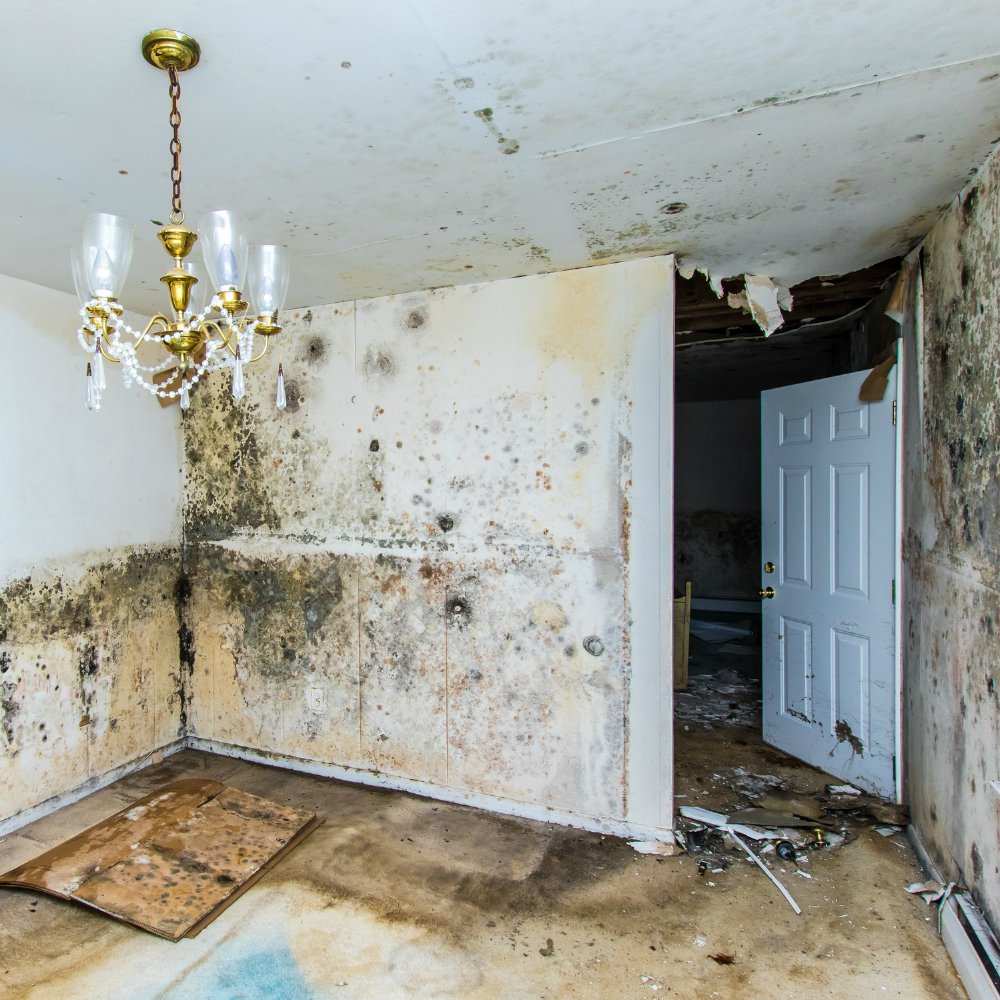
Health Effects of Long-Term Mold Exposure – Lessons From Real Inspections for Homes in Miramar
Most homeowners don’t worry about mold until something feels off. Maybe allergies won’t settle down. Maybe headaches show up more often. I’ve inspected a lot of homes in Miramar, and long-term mold exposure rarely announces itself loudly. It creeps in quietly, blends into daily life, and gets dismissed as stress, age, or “Florida air.”
This isn’t a scare piece. It’s a reality check based on what inspections actually show and how prolonged exposure affects people over time. No hype. Just patterns that repeat themselves house after house.
Long-Term Mold Exposure vs Short-Term Contact
This distinction matters more than people realize.
Short-term mold exposure usually causes mild or temporary irritation. Long-term exposure tells a different story. When people breathe mold spores day after day, especially indoors, symptoms tend to build instead of fade.
Duration matters more than intensity. A small problem that sticks around often causes more issues than a big problem that gets fixed quickly.
The Most Common Health Complaints Linked to Long-Term Exposure
Respiratory Symptoms That Never Fully Go Away
In Miramar homes with ongoing mold issues, respiratory complaints show up first and last.
Common symptoms include:
- Persistent nasal congestion
- Chronic coughing
- Throat irritation
- Shortness of breath
People often describe it as “always having something in my chest.” That feeling rarely improves without addressing the indoor environment.
Allergy Symptoms That Get Worse Over Time
Mold exposure doesn’t always trigger sudden allergic reactions. Instead, it slowly ramps them up.
Homeowners report:
- Sneezing that becomes daily
- Itchy or watery eyes
- Sinus pressure that never clears
The frustrating part is how gradual it feels. Symptoms creep in, so people adapt instead of questioning the cause.
Asthma and Mold: A Compounding Problem
Mold Doesn’t Create Asthma, But It Makes It Worse
Mold doesn’t cause asthma, but long-term exposure can aggravate it significantly.
In inspections involving asthmatic residents, symptoms often include:
- More frequent flare-ups
- Increased inhaler use
- Nighttime breathing issues
When mold exposure stays constant, asthma control gets harder. Fixing moisture and airflow often improves symptoms noticeably.
Children and Elderly Residents Feel It First
Kids and older adults tend to react faster to mold exposure. Their immune systems don’t tolerate prolonged irritants as well.
In homes with long-term exposure, these groups usually show symptoms before others do.
Fatigue, Headaches, and Brain Fog
The Symptoms People Don’t Immediately Connect to Mold
Not all mold-related symptoms feel respiratory. This catches homeowners off guard.
Common non-respiratory complaints include:
- Frequent headaches
- Ongoing fatigue
- Trouble concentrating
- Poor sleep quality
People blame work stress, screens, or poor sleep habits. Meanwhile, indoor air quality keeps applying pressure quietly.
Why These Symptoms Stick Around
Mold spores act as irritants. Constant exposure keeps the body’s inflammatory response activated.
That low-grade inflammation doesn’t feel dramatic, but it drains energy over time. The body never fully resets.
Skin and Eye Irritation From Long-Term Exposure
Subtle but Persistent Reactions
Skin reactions linked to mold exposure don’t always show up as rashes. They show up as irritation that doesn’t respond well to typical treatments.
Common issues include:
- Itchy skin without clear cause
- Red or irritated eyes
- Dryness that worsens indoors
People often notice relief when leaving the house, even briefly. That pattern matters.
Why Miramar Homes See These Issues More Often
Humidity Keeps Exposure Consistent
Miramar’s humidity doesn’t give homes much downtime. Moist air keeps mold conditions stable year-round.
That consistency leads to:
- Continuous spore release
- Ongoing exposure
- Few symptom-free breaks
Unlike dry climates, Florida homes rarely “dry out” naturally.
HVAC Systems Turn Exposure Into a Daily Event
When mold grows inside HVAC systems, exposure becomes routine. Every cooling cycle circulates spores through living spaces.
This matters because:
- Exposure happens multiple times daily
- Symptoms don’t get recovery time
- Mold spreads evenly throughout the home
People don’t just walk past mold. They breathe it repeatedly.
Hidden Mold Creates the Biggest Health Problems
Visible Mold Isn’t the Whole Story
Visible mold often represents a small part of the problem. Hidden mold causes more long-term exposure.
Common hidden locations include:
- Inside ductwork
- Behind drywall
- Under flooring
- Inside air handlers
I’ve inspected homes where residents felt unwell for months before any visible mold appeared.
Odors Appear Late in the Process
Musty smells often show up after exposure already started affecting health. Waiting for odors delays action.
By the time smells become obvious, mold growth usually expanded beyond one area.
Why Symptoms Don’t Improve With Time
The “Maybe My Body Will Adjust” Myth
Some homeowners assume their bodies will adapt. In reality, long-term exposure often worsens symptoms.
The immune system stays activated instead of calming down. Over time, sensitivity increases instead of decreasing.
Medication Treats Symptoms, Not Exposure
Allergy medications reduce symptoms temporarily. They don’t remove spores from the air.
People often increase medications while exposure stays the same. Costs rise. Relief stays limited.
Removing exposure improves symptoms far more than managing reactions.
Lessons From Real Inspections in Miramar
After reviewing countless inspections, patterns stand out clearly.
Homes with long-term mold exposure often show:
- Chronic health complaints
- HVAC moisture issues
- Poor ventilation
- Elevated indoor humidity
Once moisture sources get addressed and exposure drops, many residents report noticeable improvement. Not overnight miracles, but steady progress.
The timeline matches the exposure timeline. Reduce exposure, symptoms ease.
Why Testing and Inspections Matter for Health
Symptoms Alone Don’t Tell the Full Story
Health symptoms suggest a problem, but they don’t identify the source.
Inspections help determine:
- Where mold grows
- How exposure occurs
- Whether HVAC systems contribute
- How widespread the issue is
Without that information, homeowners guess. Guessing delays relief.
Long-Term Exposure Requires Long-Term Thinking
One cleanup doesn’t fix exposure if conditions stay the same. Moisture control, ventilation, and HVAC maintenance matter just as much as mold removal.
Health improves when exposure stays reduced consistently, not temporarily.
What Homeowners Often Get Wrong
Based on inspections, these misunderstandings repeat:
- Expecting dramatic symptoms
- Waiting for visible mold
- Assuming medications solve the problem
- Ignoring HVAC systems
- Treating mold as a surface issue
Long-term exposure thrives on delay and dismissal.
Practical Steps That Reduce Health Risks
You don’t need extreme measures. You need consistency.
Effective steps include:
- Monitoring and controlling indoor humidity
- Maintaining HVAC systems regularly
- Addressing leaks quickly
- Venting moisture-producing rooms properly
- Investigating persistent symptoms early
These steps reduce exposure before symptoms escalate.
Who Should Take Long-Term Exposure Seriously
Some groups face higher risk:
- People with asthma
- Individuals with allergies
- Elderly residents
- Young children
- Those with weakened immune systems
For these households, even moderate exposure matters more.
Final Thoughts: Long-Term Exposure Explains Long-Term Symptoms
Long-term mold exposure doesn’t shout. It whispers, then repeats itself daily. Homes in Miramar face constant humidity pressure, and ignoring that reality often shows up as ongoing health complaints rather than obvious damage.
The biggest lesson from real inspections stays simple. When exposure stops, symptoms often improve. Addressing mold early protects more than walls and ceilings. It protects the people living inside them.
