
Health Effects of Long-Term Mold Exposure – What Most People Get Wrong for Homes in Davie
If you’ve ever lived in South Florida, you know one thing: mold is basically part of the scenery. Especially in Davie, with its humid climate, frequent rains, and older homes, mold finds a way to sneak in.
But here’s the kicker most homeowners miss: the health effects of mold aren’t always obvious. You might see a tiny spot behind a baseboard, shrug it off, and think, “It’s just a little mildew.”
That’s where most people get it wrong. Long-term exposure isn’t about one or two sneezes — it can quietly affect your health, sometimes for years, before anyone connects the dots. Let’s break down exactly what’s happening, what to watch for, and why taking action matters in Davie homes.
Why Mold Thrives in Davie Homes
Before we talk health, let’s understand why your home is basically a mold playground.
- High humidity year-round – Davie’s average humidity hovers around 70% most of the year. Mold thrives above 55%.
- Air conditioning systems – AC units cool air but often don’t remove enough moisture. Leaky coils and clogged drain lines make matters worse.
- Frequent storms and water intrusion – A heavy rain or minor leak can soak drywall, insulation, and cabinetry without anyone noticing.
- Older construction materials – Drywall, wood, and carpet padding absorb moisture and allow mold roots (hyphae) to grow deep inside.
Even if you think your house is “dry,” hidden moisture behind walls or under floors can fuel mold growth for months. And that’s when long-term exposure starts quietly impacting health.
Common Myths About Mold and Health
Most people believe:
- “I’d know if mold was making me sick.”
- “Only black mold is dangerous.”
- “A little mold can’t hurt.”
Unfortunately, these are all wrong. Here’s the reality:
- You might not see the mold. Much of it grows behind drywall, inside attics, or in ductwork.
- All mold can trigger health effects. While black mold (Stachybotrys) gets the scary headlines, other types like Aspergillus and Cladosporium also affect your health.
- Symptoms can be subtle. Chronic exposure rarely causes immediate dramatic reactions. Instead, it slowly wears on your immune system.
How Long-Term Mold Exposure Affects Health
Long-term exposure is different from a one-time sniff. Over months or years, mold can trigger or worsen:
1. Respiratory Issues
- Chronic coughing
- Wheezing or shortness of breath
- Asthma flare-ups or new-onset asthma in sensitive individuals
In Davie, we often see homeowners with AC systems circulating spores. Even small amounts of inhaled spores every day can cause inflammation in the lungs over time.
2. Sinus and Eye Irritation
- Runny or blocked nose
- Itchy, watery eyes
- Post-nasal drip
These symptoms are classic for mold allergies but often get misdiagnosed as seasonal allergies. Many people don’t realize their home is the source.
3. Skin Reactions
- Rashes or hives
- Itchy skin without an obvious cause
Direct contact with mold or its spores can trigger dermatological reactions. Often, these appear sporadically, making the connection to mold harder to spot.
4. Chronic Fatigue and Brain Fog
- Feeling tired after a full night’s sleep
- Difficulty concentrating
- Mood swings
Some homeowners dismiss this as stress or aging. Long-term mold exposure can trigger immune responses and inflammation that affect energy levels and cognitive function.
5. Aggravated Pre-Existing Conditions
- Individuals with asthma or COPD often experience worse symptoms.
- Autoimmune patients may see flare-ups triggered by chronic exposure.
- Children and seniors are particularly vulnerable.
Hidden Mold Is the Real Culprit
Most people only clean what’s visible. That black spot behind the toilet? Scrub it. It’s gone. But hidden mold continues to grow behind walls, under floors, or in AC systems.
Even small, unseen colonies continuously release spores into the air. Over time, these spores:
- Irritate the respiratory tract
- Trigger immune responses
- Aggravate allergies
It’s like living with a slow, invisible irritation every day.
Misconceptions About “Black Mold”
You’ve probably heard the horror stories: Stachybotrys chartarum will make you sick, period. Truth is:
- All mold can impact health over time, not just black mold.
- Exposure risk depends on duration, concentration, and individual sensitivity.
- A small amount of black mold doesn’t automatically lead to serious illness, but chronic exposure certainly increases risk.
In other words, don’t wait for dramatic black patches to appear — the “harmless” mold on drywall or under carpets can still cause real problems over time.
Mold in HVAC Systems: The Silent Spreader
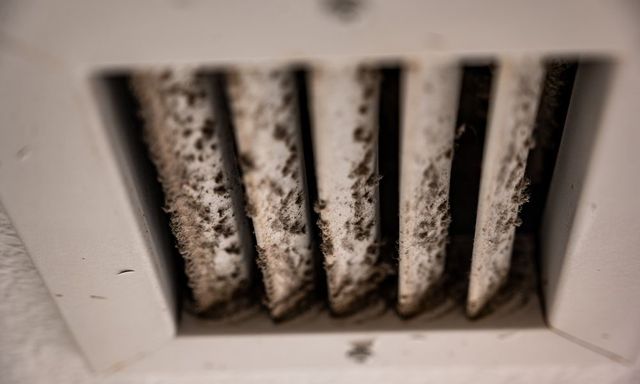
One of the biggest hidden risks in Davie homes is your HVAC system. If mold grows inside:
- Air circulates spores throughout the house.
- Allergy and respiratory symptoms persist despite cleaning visible mold.
- Air filters capture some particles but rarely eliminate contamination inside ducts.
Many homeowners report relief only after professional duct cleaning or air handler remediation.
Long-Term Exposure: Subtle vs. Severe
- Subtle: Chronic sinus irritation, minor fatigue, occasional coughing.
- Moderate: Frequent respiratory infections, increased allergy severity, skin reactions.
- Severe: Asthma exacerbation, lung inflammation, prolonged immune response, chronic fatigue syndrome-like symptoms.
Early recognition and action prevent progression. That’s why testing and professional inspection in Davie homes are critical.
Signs You Might Have Hidden Mold Exposure
- Musty or damp smell indoors
- Allergy symptoms that improve when leaving home
- Persistent respiratory irritation despite cleaning
- Stains or water damage that keeps recurring
- Condensation on windows, walls, or ceilings
If you notice these signs, DIY cleaning is rarely enough. Hidden mold often continues growing behind surfaces.
Why Testing Matters
Mold testing helps determine:
- Types of mold present
- Concentration of spores
- Hidden contamination behind walls or in HVAC systems
- Areas requiring professional remediation
Professional testing in Florida is especially important due to high outdoor spore levels. You need data to differentiate normal outdoor spores from indoor contamination affecting health.
Preventing Long-Term Exposure
- Control Moisture: Fix leaks, improve drainage, seal cracks.
- Manage Humidity: Keep indoor levels between 45–55%. Use dehumidifiers if needed.
- Inspect AC Systems: Clean coils, drain lines, and ductwork regularly.
- Proper Ventilation: Ensure bathrooms and kitchens vent outside.
- Remove Contaminated Materials: Sometimes drywall, insulation, or carpet must be replaced.
Prevention is easier than treating health effects later.
The Bottom Line
Most homeowners get it wrong by:
- Focusing only on visible mold
- Assuming black mold is the only dangerous kind
- Underestimating the cumulative effect of long-term exposure
In Davie, Florida, with its humid climate and aging homes, long-term mold exposure can quietly impact health — sometimes for years — without obvious warning signs.
Surface cleaning alone rarely solves the problem. Professional inspection, testing, and moisture control are the keys to protecting both your home and your health.
Remember: what you can’t see can hurt you, and long-term mold exposure is usually more about invisible growth than the occasional surface patch. Catch it early, address the source, and breathe easier for years to come.
