
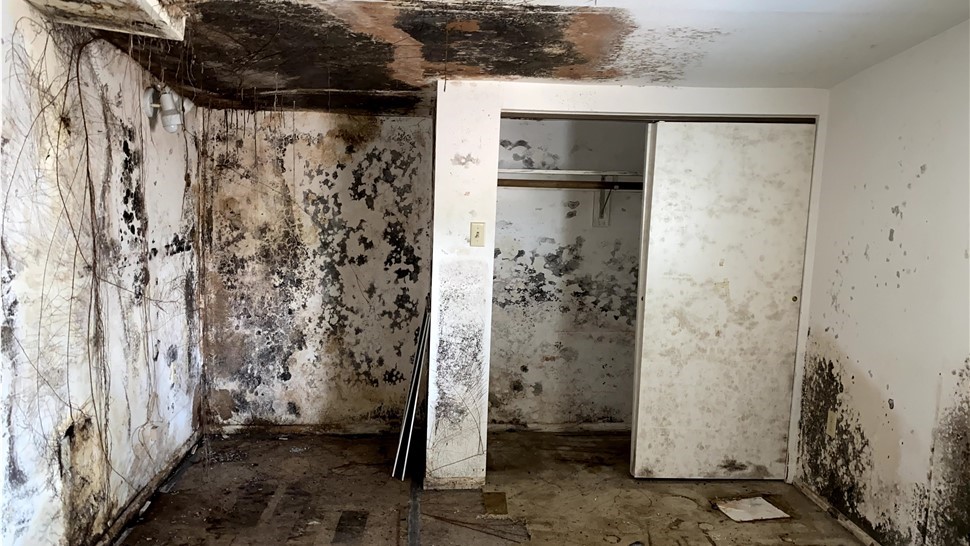
Health Effects of Long-Term Mold Exposure – What Most People Get Wrong for Homes in Pompano Beach
Let’s clear the air. Literally.
Most people think mold just causes a little sneezing. Maybe some itchy eyes. Nothing serious, right?
Wrong.
In humid coastal cities like Pompano Beach, long-term mold exposure becomes a real issue when homeowners ignore early warning signs. After years of handling mold inspection, mold testing, mold removal, and mold remediation, I’ve seen the same misunderstanding over and over.
People underestimate what long-term exposure actually does.
So let’s talk about what most homeowners get wrong — and what you need to know if you live in Pompano Beach.
What Most People Think Mold Does
Here’s the common belief:
“Mold just triggers allergies.”
That’s partially true. But long-term exposure can cause much more than seasonal sniffles.
Mold releases microscopic spores and sometimes mycotoxins into the air. When those particles circulate daily through your HVAC system, your body reacts continuously.
Now imagine breathing that air for months or even years.
The Real Health Effects of Long-Term Mold Exposure
Let’s break this down clearly.
Long-term mold exposure can lead to:
- Chronic sinus congestion
- Persistent coughing
- Wheezing or shortness of breath
- Skin irritation
- Frequent headaches
- Fatigue
- Aggravated asthma
Ever notice symptoms improve when you leave your house for a weekend? That’s not random.
Your indoor air might be the trigger.
Why Florida Homes Increase Exposure Risk
Florida’s climate makes mold harder to control.
In Pompano Beach, you deal with:
- High humidity year-round
- Coastal moisture
- Constant AC operation
- Frequent storms
When indoor humidity rises above 60%, mold growth accelerates.
Once mold grows inside walls or HVAC systems, spores circulate daily. That’s where long-term exposure begins.
What Most Homeowners Get Wrong
Let’s be honest. People make three major mistakes.
1. They Wait Too Long
Homeowners dismiss symptoms as “just allergies.”
Months pass. Mold spreads. Air quality worsens.
Early mold inspection and testing would have prevented long-term exposure.
2. They Clean Visible Mold and Stop There
They see mold on drywall. They wipe it down. Problem solved, right?
Not exactly.
Surface cleaning doesn’t address hidden moisture inside walls, insulation, or ducts.
Without proper mold remediation, contamination continues behind the scenes.
3. They Skip Professional Testing
Guessing wastes time.
Professional mold testing in Pompano Beach measures:
- Indoor vs outdoor spore levels
- Airborne contamination
- Severity of exposure
- Mold type present
Testing confirms whether your indoor air actually poses a long-term health concern.
IMO, skipping testing often leads to underestimating the problem.
Who Faces Higher Health Risks?
Some individuals react more strongly to mold exposure:
- Children
- Seniors
- Asthma sufferers
- Individuals with weakened immune systems
- People with chronic respiratory issues
For these groups, long-term exposure creates bigger health complications.
If someone in your household falls into one of these categories, ignoring mold becomes risky.
Hidden Mold and Continuous Exposure
Here’s the part most people overlook.
Mold doesn’t need to cover entire walls to affect air quality.
Even moderate hidden growth inside:
- AC systems
- Attics
- Wall cavities
- Under flooring
…can release spores continuously.
Your HVAC system then distributes those spores throughout the home.
So yes, a small hidden colony can impact your entire indoor environment.
Mold Removal vs Mold Remediation and Health Protection
Many homeowners think simple removal solves health concerns.
Let’s clarify.
Mold Removal
- Cleans visible mold
- Works for isolated surface growth
- Does not always address airborne contamination
Mold Remediation
- Identifies moisture source
- Uses containment barriers
- Runs HEPA air scrubbers
- Removes contaminated materials
- Restores safe indoor air quality
If long-term exposure exists, remediation provides the real solution.
Removal alone may leave spores behind.
Warning Signs You Shouldn’t Ignore
Your body gives signals before structural damage appears.
Pay attention to:
- Persistent musty smell
- Worsening indoor allergies
- Chronic sinus infections
- Headaches that improve outside
- Condensation near vents
Ever think, “Why do I feel better when I leave the house?” That question matters.
Why DIY Solutions Often Make Things Worse
I understand the temptation.
You grab bleach. You scrub. You hope it disappears 🙂
But scrubbing visible mold without containment can:
- Release spores into the air
- Increase exposure
- Spread contamination
Professional remediation isolates affected areas and controls airflow. That prevents cross-contamination.
Without containment, DIY cleanup often increases health risk.
Practical Prevention Tips for Pompano Beach Homes
You can’t change the Florida climate. But you can manage indoor conditions.
Here’s what experts recommend:
- Keep indoor humidity below 60%
- Service HVAC systems regularly
- Clean AC drain lines
- Fix leaks immediately
- Improve ventilation in bathrooms
- Schedule periodic mold inspections
Proactive maintenance reduces long-term exposure risk significantly.
The Property Value Factor
Health concerns aren’t the only issue.
Long-term mold problems can:
- Lower home value
- Trigger inspection issues
- Delay property sales
- Require mandatory remediation
Buyers in coastal Broward County understand mold risks. Inspectors look carefully.
Handling issues early protects both your family and your investment.
Final Thoughts: Don’t Normalize Chronic Symptoms
Here’s the bottom line.
Long-term mold exposure doesn’t always create dramatic symptoms overnight. It creates subtle, persistent problems that homeowners normalize.
That constant sinus pressure? The lingering cough? The musty smell you’ve gotten used to?
Those signs deserve attention.
If you live in Pompano Beach and suspect indoor air quality issues, schedule a professional mold inspection. Test the air. Identify moisture sources. Act early.
Clean air shouldn’t feel like a luxury.
Ignoring mold never makes it cheaper. It just makes it longer-lasting. And nobody wants that.
