
Health Effects of Long-Term Mold Exposure – What We See Inside Homes in Sunrise
Long-term mold exposure rarely starts with alarm bells. No dramatic symptoms. No obvious crisis. Most homeowners in Sunrise only start asking questions after months—or years—of feeling “off” inside their own homes. Constant congestion. Fatigue that never quite lifts. Allergies that don’t respond to medication. Sound familiar?
We see this pattern constantly. Homes look clean. Systems run fine. Nothing appears broken. Yet the people living there feel worse indoors than anywhere else. Long-term mold exposure doesn’t shout. It wears people down quietly. Let’s talk about what we actually see inside Sunrise homes and how mold affects health over time—without exaggeration or scare tactics.
Why Long-Term Mold Exposure Is Common in Sunrise Homes
Sunrise homes face the same environmental pressure as the rest of South Florida, but long-term exposure happens because problems go unnoticed, not because they’re extreme.
Florida Conditions Allow Exposure to Continue
Sunrise homes deal with:
- High year-round humidity
- Heavy air conditioning use
- Tight construction that traps air
- Slow drying after moisture events
Mold doesn’t need a flood to stick around. It just needs consistent moisture and time. Florida provides both.
How Long-Term Mold Exposure Actually Happens
Most people assume mold exposure means visible mold everywhere. That’s rarely the case.
Exposure Comes From the Air, Not Just Surfaces
Long-term exposure usually happens because:
- Mold grows in hidden areas
- Spores circulate through HVAC systems
- People inhale spores daily without realizing it
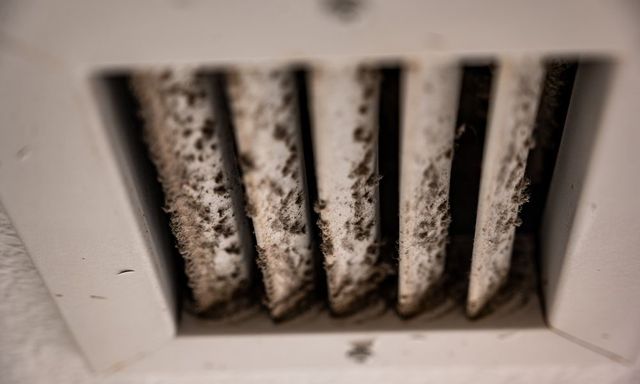
In many Sunrise homes, mold hides inside walls, attics, or air handlers while air systems distribute spores evenly throughout the house.
Respiratory Symptoms That Build Slowly Over Time
Breathing problems often show up first, but they don’t always feel serious right away.
Common Respiratory Effects We Hear About
Homeowners exposed long-term often report:
- Chronic coughing
- Chest tightness
- Wheezing
- Shortness of breath
- Worsening asthma
Because symptoms develop gradually, people blame age, fitness, or seasonal allergies. Mold exposure keeps working in the background.
Allergy Symptoms That Never Fully Go Away
Seasonal allergies come and go. Mold-related allergies don’t.
Signs Exposure Is Ongoing
Long-term mold exposure often causes:
- Constant sneezing indoors
- Runny or blocked sinuses
- Itchy or watery eyes
- Throat irritation
A big clue appears when symptoms improve outside the home but return shortly after coming back. That pattern almost always points indoors.
Chronic Fatigue and Brain Fog: The Overlooked Effects
This part surprises homeowners the most.
Why Mold Exposure Drains Energy
The body works continuously to respond to airborne irritants. Over time, that effort causes:
- Persistent fatigue
- Difficulty concentrating
- Headaches
- Poor sleep quality
People blame stress, work, or screen time. Meanwhile, mold exposure quietly contributes to the problem every day.
How Long-Term Mold Exposure Affects Children
Children react faster to mold exposure than adults.
Signs Parents Often Miss
In Sunrise homes, parents often notice:
- Frequent respiratory infections
- Persistent coughing
- Worsening asthma
- Behavior or focus changes
Kids spend more time indoors and breathe more air relative to body size. That increases exposure even when mold levels feel “low.”
Elderly and High-Risk Individuals Face Greater Impact
Not everyone responds to mold the same way.
Why Vulnerable Individuals Are Affected More
Long-term exposure creates higher risk for:
- Older adults
- People with asthma
- Those with weakened immune systems
In these cases, mold exposure can contribute to recurring sinus infections, prolonged illness, and slower recovery from common respiratory problems.
HVAC Systems: How Mold Exposure Becomes Whole-House
This is one of the biggest reasons exposure lasts so long.
HVAC Systems Spread Spores Constantly
When mold grows inside:
- Air handlers
- Evaporator coils
- Ductwork
Spores circulate every time the AC runs. That creates continuous exposure even if mold stays hidden. We often find HVAC contamination in Sunrise homes where symptoms feel “everywhere,” not localized.
Why Mold Exposure Often Goes Undiagnosed
Long-term mold exposure rarely presents as a single, obvious illness.
Why Doctors Don’t Always Spot It First
Symptoms overlap with:
- Allergies
- Asthma
- Sinus conditions
- Stress-related fatigue
Unless someone considers the home environment, exposure continues unchecked. That’s why home investigation matters.
Mold Inspection: Connecting Health Symptoms to the Home
When symptoms persist, inspection often provides answers.
What Mold Inspection Reveals
Professional mold inspection identifies:
- Hidden mold growth
- Moisture sources
- HVAC contamination
- Areas contributing to airborne exposure
Inspection connects health patterns to environmental causes. Without it, homeowners keep guessing.
Mold Testing: When Health Concerns Need Confirmation
Testing doesn’t always add value, but health-driven cases often justify it.
Situations Where Mold Testing Helps
Testing becomes useful when:
- Symptoms persist without visible mold
- Air quality concerns affect health
- HVAC contamination seems likely
- Documentation matters for medical or legal reasons
Testing confirms exposure. Inspection explains why it exists.
Mold Removal vs Mold Remediation: Why Health Depends on the Difference
This misunderstanding causes prolonged exposure.
Why Mold Removal Alone Falls Short
Removing visible mold:
- Doesn’t eliminate airborne spores
- Doesn’t address moisture sources
- Doesn’t improve air circulation
Mold Remediation Reduces Exposure
Proper remediation includes:
- Containment to prevent spore spread
- HEPA air filtration
- Removal of contaminated materials
- Moisture correction
- Preventive treatments
Health improves when exposure stops, not when mold just looks better.
Moisture Control: The Key to Ending Long-Term Exposure
Mold exposure continues if moisture remains.
Common Moisture Sources in Sunrise Homes
- AC condensation problems
- Plumbing leaks
- Poor attic ventilation
- High indoor humidity
Stopping moisture stops mold growth and reduces airborne spores long-term.
DIY Mold Cleanup and Health Risks
Homeowners often try to clean mold themselves. That can make exposure worse.
Why DIY Cleanup Backfires
Scrubbing mold without containment:
- Releases spores into the air
- Increases inhalation exposure
- Spreads contamination
Many homeowners worsen symptoms before realizing cleanup caused more exposure.
The Financial and Health Cost of Ignoring Exposure
Long-term exposure affects more than comfort.
What Ignoring Mold Exposure Leads To
- Ongoing health symptoms
- Repeat medical visits
- Larger remediation projects
- HVAC system contamination
- Reduced property value
Early intervention almost always costs less than prolonged exposure.
Signs Long-Term Mold Exposure May Exist
Patterns matter more than single symptoms.
Watch for:
- Symptoms improving outside the home
- Musty odors that come and go
- Mold returning after cleaning
- Fatigue that never resolves
- Multiple people feeling unwell indoors
These signs rarely appear alone.
Why Local Experience Matters in Sunrise
Florida mold behaves differently.
Local experience matters because it accounts for:
- Regional humidity patterns
- Typical HVAC designs
- Construction styles
- Seasonal moisture behavior
Generic advice often fails in South Florida homes.
Final Thoughts: Long-Term Mold Exposure Is a Health Issue, Not a Guess
Long-term mold exposure doesn’t usually cause sudden illness. It slowly chips away at comfort, energy, and health. For homeowners in Sunrise, understanding that reality makes action easier and more effective.
When mold exposure stops, people notice the difference quickly. Breathing improves. Energy returns. Symptoms fade. Clean air changes daily life—and it starts with identifying what’s happening inside the home, not just on the surface.
