
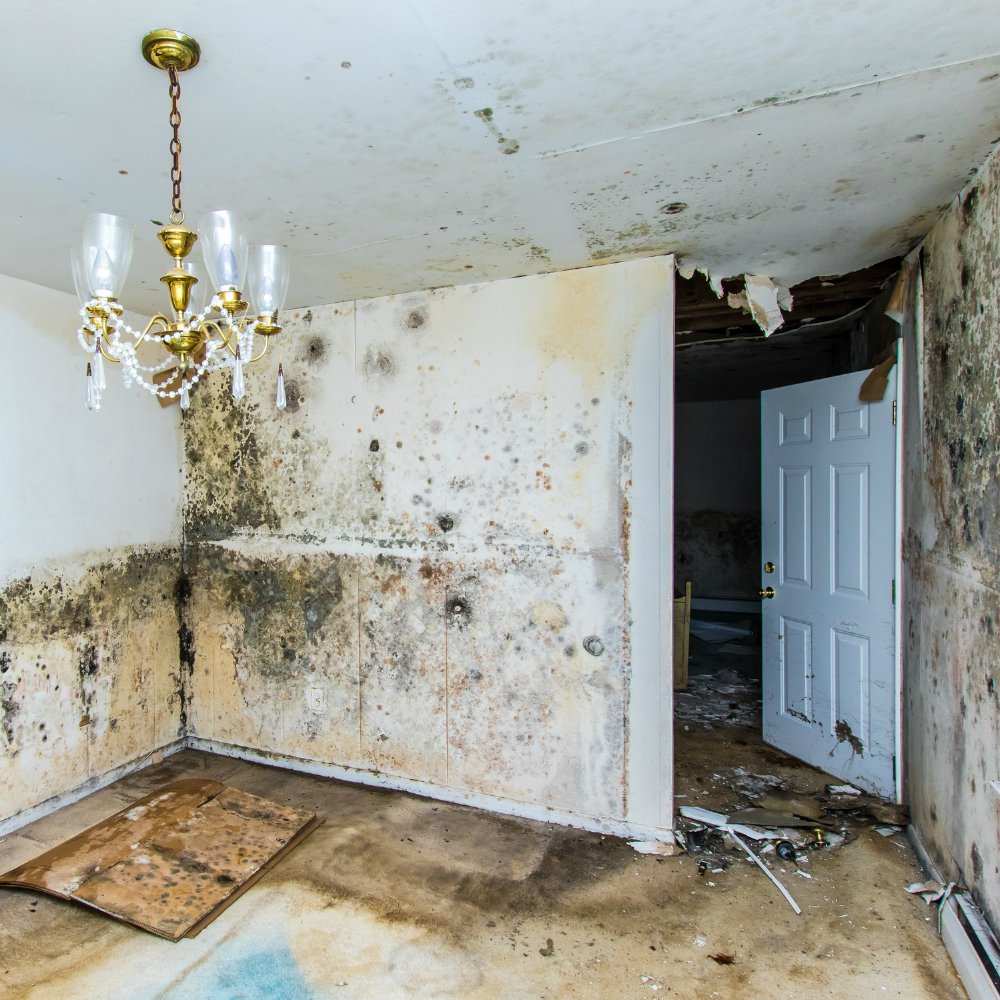
Health Effects of Long-Term Mold Exposure – Why Ignoring It Costs More for Homes in Miramar
Mold exposure isn’t usually dramatic or immediate. In fact, after real inspections and homeowner follow-ups in Miramar, the most common health complaints tied to mold come from long-term, low-level exposure—the kind that’s easy to ignore until it isn’t.
This isn’t about panic or worst-case scenarios. It’s about what actually happens when mold problems linger in Miramar homes and why waiting almost always makes things harder—and more expensive.
Long-Term Mold Exposure Is Usually Subtle at First
Most homeowners don’t connect early symptoms to mold right away.
From real cases, long-term exposure often begins with:
- Ongoing sneezing or congestion indoors
- Itchy eyes or throat irritation
- Headaches or sinus pressure at home
- Symptoms that improve when leaving the house
Because these symptoms build gradually, they’re often blamed on allergies, stress, or “Florida air.”
Why Symptoms Tend to Worsen Over Time
When mold exposure continues, the body doesn’t usually “get used to it.”
Instead, inspections and homeowner reports show:
- Allergies becoming more persistent
- Asthma symptoms worsening or appearing for the first time
- Increased sensitivity to dust or odors
- Lingering respiratory irritation
The longer exposure continues, the harder it becomes to ignore—and the more disruptive it can be.
Hidden Mold Is the Biggest Long-Term Risk
In Miramar homes, mold tied to health complaints is rarely obvious.
Inspections frequently uncover hidden growth:
- Behind drywall and baseboards
- Inside closets on exterior walls
- Inside HVAC air handlers or ductwork
- Beneath sinks with slow leaks
Because the mold isn’t visible, exposure continues day after day without homeowners realizing it.
Humidity Makes Exposure Worse
Humidity doesn’t just help mold grow—it affects how mold impacts the body.
High indoor humidity:
- Keeps mold spores airborne longer
- Encourages repeated spore release
- Supports dust mites (another major allergen)
- Makes air feel heavy and irritating
In Miramar’s climate, humidity often amplifies the effects of long-term exposure.
HVAC Systems Can Extend Exposure Throughout the Home
Many long-term exposure cases involve HVAC systems.
Inspectors often find:
- Mold inside air handlers or drain pans
- Moisture buildup around evaporator coils
- Ductwork distributing spores room to room
When mold enters the HVAC system, exposure isn’t limited to one room—it becomes whole-house.
Why Ignoring Mold Costs More Over Time
The cost of ignoring mold isn’t just financial—but it adds up that way too.
From real outcomes, waiting often leads to:
- Worsening health symptoms
- Larger areas of hidden mold growth
- More extensive remediation
- Longer disruption during repairs
What could have been a targeted fix becomes a larger project—both for the home and for the people living in it.
Mold Isn’t the Only Health Trigger—but It’s a Common One
Inspections often show mold acting alongside other irritants:
- Dust mites
- Pet dander
- Pollen entering through leaks or ducts
Mold doesn’t always cause symptoms alone—but it frequently makes existing sensitivities worse.
What Helps Reduce Health Effects Long-Term
Homes where symptoms improve usually address conditions—not just visible mold.
Effective solutions focus on:
- Identifying and fixing moisture sources
- Removing hidden mold growth
- Improving HVAC drainage and airflow
- Controlling indoor humidity consistently
When moisture is controlled, exposure drops—and symptoms often ease.
Why Miramar Homeowners Should Act Earlier
Local conditions increase risk:
- High humidity most of the year
- AC systems running nearly nonstop
- Condensation inside walls and HVAC systems
- Hidden moisture lasting longer than expected
Delaying action doesn’t make exposure disappear—it gives it time.
The Real Takeaway
From real inspections in Miramar homes, the lesson is clear:
Long-term mold exposure usually isn’t sudden or extreme—but it is cumulative. Ignoring it doesn’t just affect the home; it affects the people living inside it. Early inspection and moisture control cost less, disrupt less, and protect health far better than waiting until symptoms or damage force action.
That’s not fear talking. That’s what real homes—and real people—keep showing us.
