
How Humidity Impacts Indoor Air Quality – A Homeowner’s Guide for Homes in Broward County
If you live in Broward County, humidity isn’t just something you feel when you step outside—it’s one of the most important factors affecting the air you breathe indoors. Many homeowners focus on temperature, filters, or cleaning routines, but overlook moisture in the air. That’s a mistake. In South Florida, humidity is often the root cause of mold, odors, HVAC problems, and long-term air quality issues.
This guide explains—plainly and practically—how humidity impacts indoor air quality, why Broward County homes are especially vulnerable, and what homeowners can do to protect their air, health, and homes.
Humidity: The Invisible Indoor Air Quality Problem
Indoor air quality problems don’t always come from dust or pollution. In Broward County, excess humidity acts like an invisible contaminant.
When indoor humidity stays too high:
- Mold spores stay airborne longer
- Bacteria and microbes multiply faster
- Odors linger instead of dissipating
- Surfaces absorb moisture and become breeding grounds
Once humidity consistently rises above 55–60%, indoor air quality starts to decline—even if your home looks clean.
Why Broward County Homes Are More Vulnerable
Humidity affects homes everywhere, but Broward County has a unique combination of factors:
- High year-round outdoor humidity
- Heavy rainfall and storm seasons
- Warm temperatures that accelerate biological growth
- Nearly constant air-conditioning use
- Modern, airtight construction that traps moisture
Together, these conditions make it easy for moisture to build up indoors and stay there.
How High Humidity Changes the Air You Breathe
High humidity doesn’t just feel uncomfortable—it changes how air behaves inside your home.
Elevated moisture levels:
- Make air feel heavy and stale
- Reduce how effectively HVAC systems filter air
- Allow allergens and spores to remain suspended
- Increase chemical off-gassing from building materials
The result is air that feels “off,” even when temperatures are comfortable.
Humidity and Mold: The Direct Connection
One of the biggest misconceptions is that mold only grows after leaks or floods.
In Broward County homes, mold often grows because of humidity alone.
Experts routinely find mold:
- Behind drywall with no visible leaks
- Inside closets on exterior walls
- On HVAC coils and inside air handlers
- Above ceilings where warm, moist air rises
Mold doesn’t need standing water. It needs time + moisture—and humidity supplies both.
Why Air Conditioning Isn’t Enough
Air conditioning helps reduce humidity—but it’s not a complete solution.
In many Broward County homes, experts see:
- Oversized AC units that cool too fast
- Short run cycles that don’t dehumidify properly
- Uneven airflow leaving damp pockets
- Condensation forming on ducts and vents
The home feels cool, but moisture remains. That’s how air quality problems quietly develop.
Musty Odors Are a Humidity Warning
Persistent musty or “damp” smells are often blamed on age or cleanliness. In reality, they’re usually humidity-related.
Musty odors often mean:
- Moisture absorbed into drywall or insulation
- Mold growth in hidden areas
- HVAC systems circulating damp air
Air fresheners mask the smell—but humidity keeps the source alive.
Health Effects Linked to High Indoor Humidity
Indoor air quality isn’t just about comfort—it’s about health.
Excess humidity is commonly associated with:
- Worsening allergies
- Chronic congestion or coughing
- Asthma flare-ups
- Sinus irritation
- Headaches and fatigue
Many Broward County homeowners treat symptoms without realizing the air itself is the trigger.
HVAC Systems Suffer First
Your HVAC system is often the first thing damaged by uncontrolled humidity.
Experts frequently find:
- Mold on evaporator coils
- Wet drain pans that never fully dry
- Corrosion on internal components
- Contaminated duct insulation
Once humidity affects HVAC components, air quality declines further—and repair costs increase.
Condensation Is Not Normal (Even in Florida)
Condensation is a clear humidity warning—not a Florida inevitability.
Red flags include:
- Sweating vents or ductwork
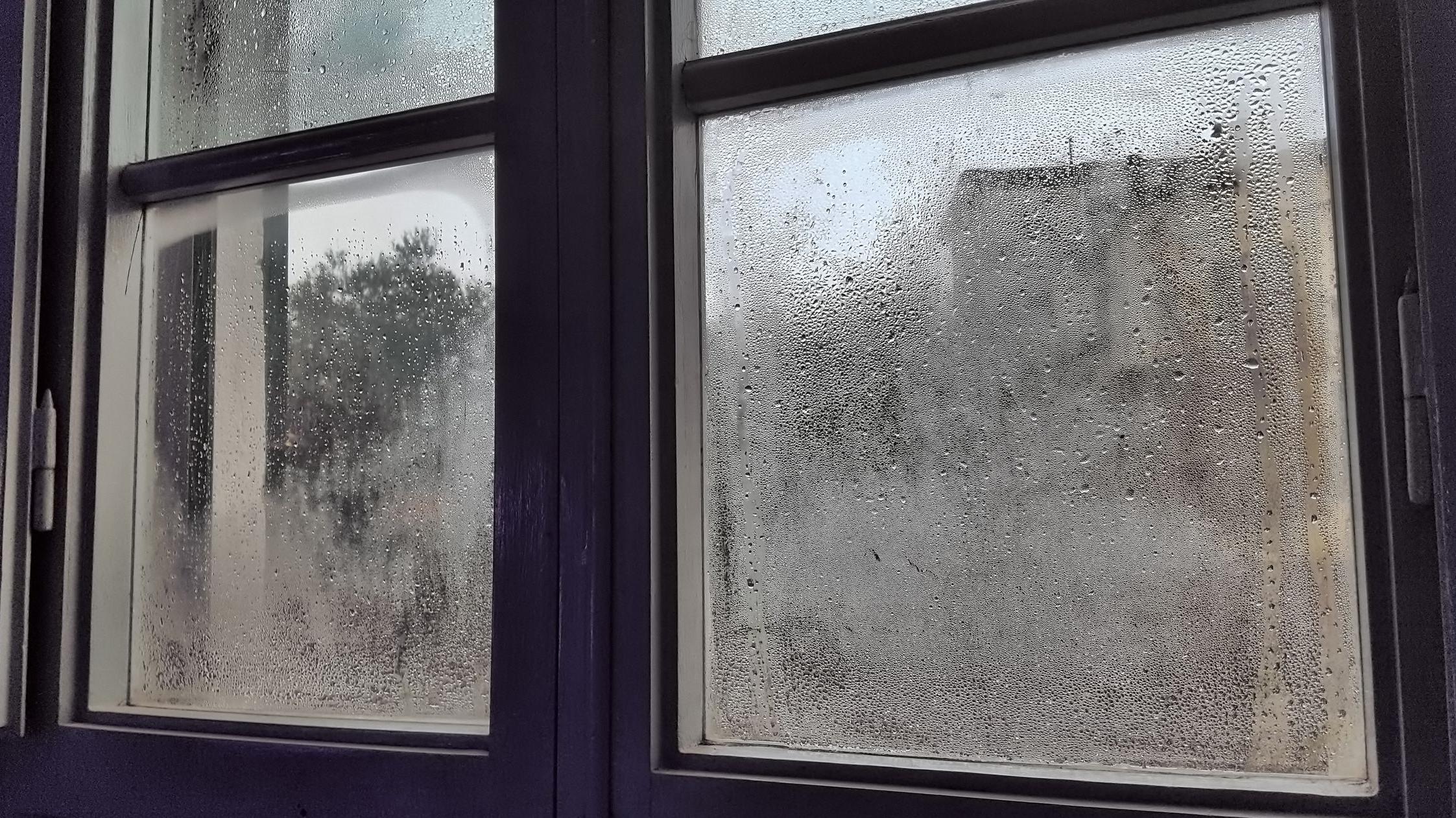
- Fogged windows
- Damp ceilings or baseboards
- Moist walls in closed rooms
Condensation means moisture is actively depositing on surfaces—and that’s exactly where mold begins.
High-Risk Areas Inside Broward County Homes
Humidity problems usually show up first where airflow is weakest.
Common trouble spots include:
- Closets on exterior walls
- Guest rooms rarely used
- Laundry rooms
- Bathrooms without proper ventilation
- Bedrooms kept closed during the day
These spaces can develop air quality problems even when the rest of the home feels fine.
The Cost of Ignoring Humidity
Humidity problems don’t explode overnight—they compound quietly.
Ignoring them often leads to:
- Repeated mold issues
- Expensive mold remediation
- HVAC repairs or replacement
- Failed inspections during home sales
- Ongoing health complaints
Early humidity control is inexpensive. Late-stage fixes are not.
What Actually Improves Indoor Air Quality
Experts focus on moisture first—always.
Effective steps for Broward County homeowners include:
- Keeping indoor humidity below 55%
- Proper HVAC sizing and maintenance
- Using dehumidification where needed
- Fixing condensation and airflow issues
- Investigating odors early
When humidity is controlled, air quality improves naturally.
Simple Ways to Monitor Humidity at Home
You don’t need guesswork.
Homeowners should:
- Use a digital hygrometer
- Monitor humidity in different rooms
- Pay attention to seasonal changes
- Watch how humidity responds when AC runs
Numbers provide clarity—and early warnings.
Early Signs You Shouldn’t Ignore
Humidity problems often announce themselves quietly.
Watch for:
- Persistent damp or musty smells
- Sticky indoor air despite AC
- Condensation that keeps returning
- Allergy symptoms worse at home
- Repeated cleaning in the same areas
These are humidity signals, not minor annoyances.
Prevention Is Always Cheaper Than Repair
For Broward County homes, prevention is practical—not paranoid.
Smart habits include:
- Servicing HVAC systems regularly
- Running bathroom and laundry exhaust fans longer
- Avoiding furniture tight against exterior walls
- Addressing leaks immediately
- Monitoring indoor humidity year-round
Small actions prevent big problems.
Final Thoughts: Humidity Controls the Air You Live In
In Broward County, humidity isn’t just a comfort issue—it’s the foundation of indoor air quality. Mold, odors, HVAC damage, and health complaints usually follow moisture, not the other way around.
The most important takeaway is simple:
If you control humidity, you control your indoor air quality.
Homeowners who understand this don’t just enjoy more comfortable homes—they avoid costly repairs, protect their health, and keep small moisture problems from becoming major indoor air quality issues.
