
How Humidity Impacts Indoor Air Quality – A Homeowner’s Guide for Homes in Sunrise
If your home feels cool but still a little sticky, you’re not imagining it. In Sunrise homes, humidity—not temperature—is the quiet driver behind most indoor air quality problems. And when humidity stays high, air quality slips, comfort drops, and costs creep up.
No fear tactics here. Just practical, expert-backed guidance based on what we see in real Sunrise inspections. Let’s break down how humidity affects indoor air, what most homeowners miss, and how to keep things balanced without overthinking it.
Why Humidity Matters More Than Most People Think
Humidity controls how air feels and how contaminants behave. When indoor humidity rises above 55–60%, problems start stacking up—even if the AC runs nonstop.
High humidity:
- Makes air feel heavy and stale
- Allows mold and microbes to grow
- Boosts dust mite activity
- Reduces HVAC efficiency
Ever wondered why your house feels uncomfortable even at a low thermostat setting? That’s humidity stealing the show.
Why Sunrise Homes Struggle With Humidity Control
Sunrise checks all the boxes for persistent indoor humidity:
- Warm, humid outdoor air most of the year
- Homes sealed for energy efficiency
- AC systems running long hours
- Limited natural ventilation
That combo means moisture enters easily—and leaves slowly. Homes rarely get a chance to dry out fully, which is exactly what humidity loves.
How High Humidity Hurts Indoor Air Quality
Humidity doesn’t just make air feel gross. It actively changes what’s floating around in it.
Mold and Microbial Growth
Mold doesn’t need a flood. It needs moisture and time. High humidity supplies both, especially in:
- HVAC systems and ductwork
- Bathrooms and kitchens
- Closets and closed rooms
Dust Mites and Allergens
Dust mites thrive in humid air. As humidity rises, allergen levels follow—often without visible clues.
Odors That Won’t Quit
Musty smells linger longer when humidity stays high. Fresh air doesn’t feel fresh when moisture keeps odors trapped.
FYI—air fresheners don’t fix humidity. They just mask the symptoms.
The HVAC Connection Most Homeowners Miss
Your AC should reduce humidity—but it doesn’t always succeed.
Common humidity-related HVAC issues we see in Sunrise homes:
- Oversized systems that cool too fast to dehumidify
- Short run cycles that leave moisture behind
- Clogged drain lines causing water buildup
- Condensation inside air handlers and ducts
Quick note: changing filters helps airflow, not humidity control. Different problem, different solution.
Early Signs Humidity Is Hurting Your Indoor Air
Humidity problems usually whisper before they shout. Watch for these early clues:
- A damp or “sticky” feeling indoors
- Musty odors that come and go
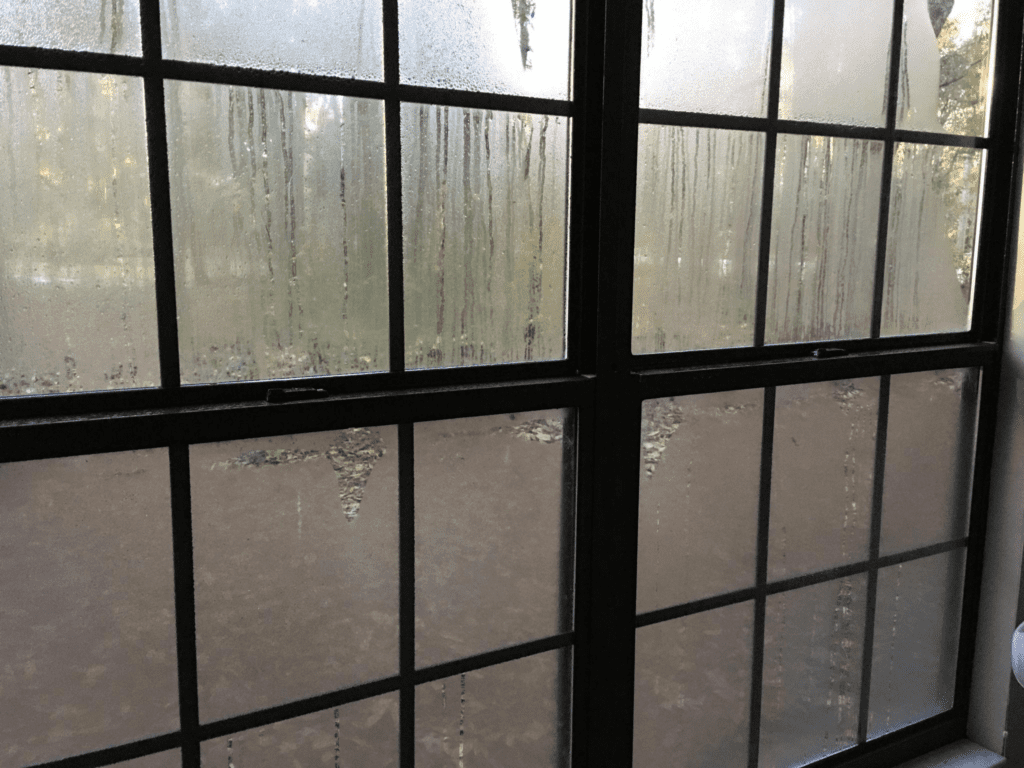
- Windows fogging up
- Towels that never fully dry
- Allergy symptoms that improve outside
IMO, catching humidity issues early saves more money than any single repair.
Why Ignoring Humidity Gets Expensive
High humidity doesn’t stay contained. Over time, it leads to:
- Mold remediation instead of simple moisture correction
- HVAC repairs from constant moisture exposure
- Duct contamination
- Higher energy bills due to inefficient cooling
Humidity problems grow quietly. Costs rise when they’re ignored.
What the Numbers Say: The Safe Humidity Zone
From inspection data and building science:
- 30–50% indoor humidity = ideal
- 55%+ = increased mold and IAQ risk
- 60%+ = consistent problems over time
If your home lives above 55%, indoor air quality almost always suffers.
Simple Ways to Control Humidity in Sunrise Homes
You don’t need extreme measures—just consistency.
Practical, expert-backed steps:
- Keep indoor humidity below 55%
- Use bathroom and kitchen exhaust fans every time
- Maintain AC drain lines and coils
- Address condensation immediately
- Don’t ignore musty smells
Sometimes a targeted dehumidification strategy makes a big difference. The key is knowing when humidity is the root cause.
When an Indoor Air Quality or Moisture Inspection Makes Sense
You don’t need to panic—but clarity helps.
Consider an inspection if:
- Humidity stays high despite AC use
- Musty odors persist
- Mold keeps returning
- Allergies worsen indoors
- The home feels damp year-round
Inspections replace guessing with facts. That’s how problems stay manageable.
Final Thoughts: Humidity Sets the Tone for Indoor Air
In Sunrise homes, humidity quietly controls indoor air quality. When it stays balanced, air feels lighter, systems run better, and homes stay healthier. When it’s ignored, small issues snowball into expensive ones.
You don’t need to obsess—just pay attention. If your home feels sticky, smells musty, or never quite feels comfortable, humidity is probably calling the shots. Managing it early is the simplest way to protect your air, your comfort, and your wallet.
