
How Humidity Impacts Indoor Air Quality – Facts vs Common Myths for Homes in Pompano Beach
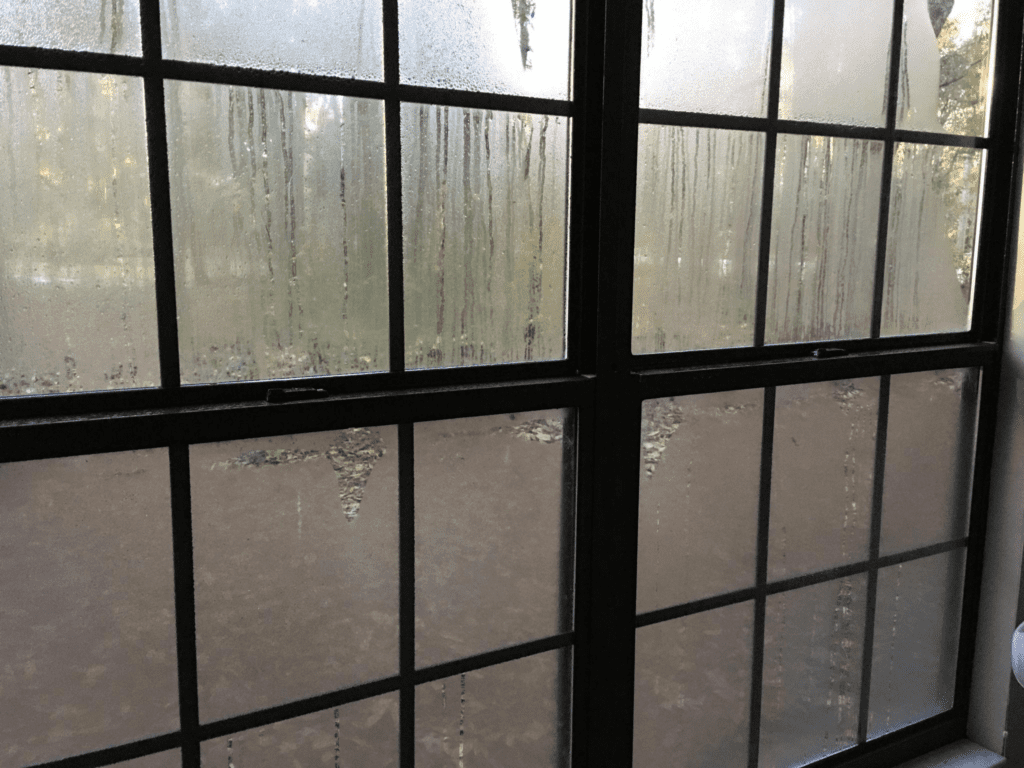
Humidity is one of the most overlooked factors affecting indoor air quality in Pompano Beach, Florida. Many homeowners focus on dust, allergens, or air filters, while assuming humidity is just a comfort issue. In reality, humidity directly shapes the air you breathe, influences mold growth, affects HVAC performance, and plays a major role in how healthy your home feels—especially in South Florida’s coastal climate.
This article breaks down the facts vs common myths about humidity and indoor air quality, helping Pompano Beach homeowners understand what really matters and what doesn’t.
Fact: Humidity Directly Affects Indoor Air Quality
Indoor air quality isn’t just about what’s floating in the air—it’s about the conditions that allow pollutants to thrive. Humidity levels that are too high create an environment where contaminants grow, spread, and linger.
When indoor humidity rises above healthy levels, it can:
- Encourage mold and mildew growth
- Increase dust mite populations
- Trap odors inside the home
- Make air feel heavy and stale
- Reduce HVAC efficiency
In Pompano Beach homes, this happens far more often than most people realize.
Myth: If the AC Is Running, Humidity Is Controlled
One of the most common misconceptions is that air conditioning automatically manages humidity.
The reality:
AC systems are designed primarily to cool air—not dehumidify it. In Florida homes, especially during mild or rainy weather, AC units may cool quickly and shut off before removing enough moisture.
Common issues include:
- Short cycling systems
- Oversized AC units
- Dirty coils or clogged drain lines
- Poor airflow
As a result, humidity stays high even when the home feels cool.
Fact: High Humidity Makes Airborne Pollutants Worse
Humidity doesn’t just add moisture—it changes how pollutants behave.
At elevated humidity levels:
- Mold spores grow and spread more easily
- Dust mites thrive in soft furnishings
- Odors cling to surfaces and fabrics
- Allergens stay suspended longer
This is why homes with high humidity often feel uncomfortable even when they look clean.
Myth: Mold Is the Only Air Quality Issue Caused by Humidity
Mold gets the most attention, but it’s only part of the picture.
High humidity also contributes to:
- Increased bacteria growth
- Poor ventilation effectiveness
- Musty indoor odors
- Faster breakdown of building materials
Indoor air quality suffers long before visible mold appears.
Fact: Coastal Humidity Makes Pompano Beach Homes More Vulnerable
Pompano Beach’s location near the ocean adds extra moisture challenges.
Local factors include:
- Salt-laden coastal air
- High outdoor humidity year-round
- Frequent rainstorms
- Warm temperatures that slow evaporation
Even well-maintained homes can struggle to keep indoor humidity within a healthy range without intentional control.
Myth: You’ll Always Feel High Humidity
Many homeowners assume they’ll notice humidity right away.
In reality:
Humidity can quietly affect air quality without obvious discomfort—especially in air-conditioned homes. Even moderate humidity levels can still support mold growth and allergens behind walls, inside ducts, or under flooring.
By the time air feels “sticky,” conditions are often already unhealthy.
Fact: Ideal Indoor Humidity Is a Narrow Range
Experts generally agree that indoor humidity should stay between 30% and 50%.
When humidity rises above this range:
- Mold growth becomes more likely
- Air feels heavier and harder to breathe
- Indoor pollutants multiply
- Cooling systems work harder
Many Pompano Beach homes regularly exceed this range without homeowners knowing.
Myth: Opening Windows Improves Indoor Air Quality
Opening windows sounds like a simple solution, but in South Florida, it often backfires.
Why this myth fails in Pompano Beach:
- Outdoor humidity is often higher than indoor levels
- Moist air enters and gets trapped
- AC systems must work harder
- Indoor moisture levels rise
Fresh air helps only when outdoor humidity is lower—which is rare here.
Fact: HVAC Systems Can Spread Humidity-Related Problems
When humidity isn’t controlled, HVAC systems can unintentionally worsen air quality.
Common issues include:
- Condensation inside air handlers
- Moist duct insulation
- Mold growth near vents
- Odors circulating through the home
Once humidity affects HVAC components, air quality problems often become widespread.
Myth: Deodorizers Fix Humidity-Related Air Issues
Air fresheners and sprays mask symptoms, not causes.
What they don’t fix:
- Moisture trapped in walls
- Mold growth inside ducts
- Dust mites in carpets
- High humidity levels
If humidity remains high, odors and air quality problems return quickly.
Fact: Humidity Is Linked to Many “Mystery” Symptoms
High humidity often explains symptoms homeowners struggle to identify.
These may include:
- Headaches or fatigue indoors
- Sinus or throat irritation
- Persistent musty smells
- Worsening allergies at home
When symptoms improve outside the home, indoor humidity is often part of the issue.
What Homeowners Commonly Get Wrong
The biggest mistake is treating humidity as a comfort issue instead of an air quality issue.
Common missteps include:
- Focusing only on temperature
- Ignoring humidity measurements
- Assuming newer homes don’t have problems
- Waiting for visible mold
By the time visible issues appear, air quality has often been affected for months.
Practical Takeaways for Pompano Beach Homeowners
Understanding the facts leads to a few clear conclusions:
- Humidity directly impacts indoor air quality
- AC alone doesn’t guarantee moisture control
- Coastal air increases risk year-round
- Early awareness prevents long-term problems
Healthy air starts with moisture control.
Final Thoughts
In Pompano Beach, Florida, humidity is not just a background condition—it’s one of the most powerful forces shaping indoor air quality. The difference between clean, healthy air and ongoing discomfort often comes down to moisture levels that homeowners never see.
The most important takeaway is simple: controlling humidity isn’t optional in South Florida—it’s essential for maintaining healthy indoor air. Understanding the facts, and letting go of common myths, helps homeowners breathe easier and protect their homes long-term.
