
How Humidity Impacts Indoor Air Quality – Lessons From Real Inspections for Homes in
Humidity is one of the biggest factors affecting indoor air quality in North Lauderdale homes, yet it’s also one of the most underestimated. From real inspections, one thing is clear: many indoor air quality complaints have less to do with dirt or cleanliness and far more to do with moisture in the air. Even homes that look clean and feel cool can suffer from poor air quality when humidity isn’t properly controlled.
North Lauderdale’s climate keeps humidity levels high most of the year. When combined with constant air-conditioning use, this creates indoor environments where moisture lingers, particles stay airborne longer, and air quality slowly declines without obvious warning signs.
One of the most common lessons from inspections is that air can feel uncomfortable even when temperatures are low. Homeowners often lower the thermostat thinking heat is the issue, but inspection data shows humidity is usually the real problem.
When humidity is high:
- Air feels heavy or sticky
- Cooling feels uneven
- Comfort improves outside the home
Lowering temperature alone does not fix moisture-heavy air.
Real inspections also show that humidity directly affects how long particles stay in the air. Moist air holds dust, allergens, and mold spores longer, allowing them to circulate instead of settling.
In North Lauderdale homes, high humidity is frequently linked to:
- Increased airborne dust
- Allergy-like irritation indoors
- Air that feels stale despite cleaning
These issues often disappear when humidity is properly controlled.
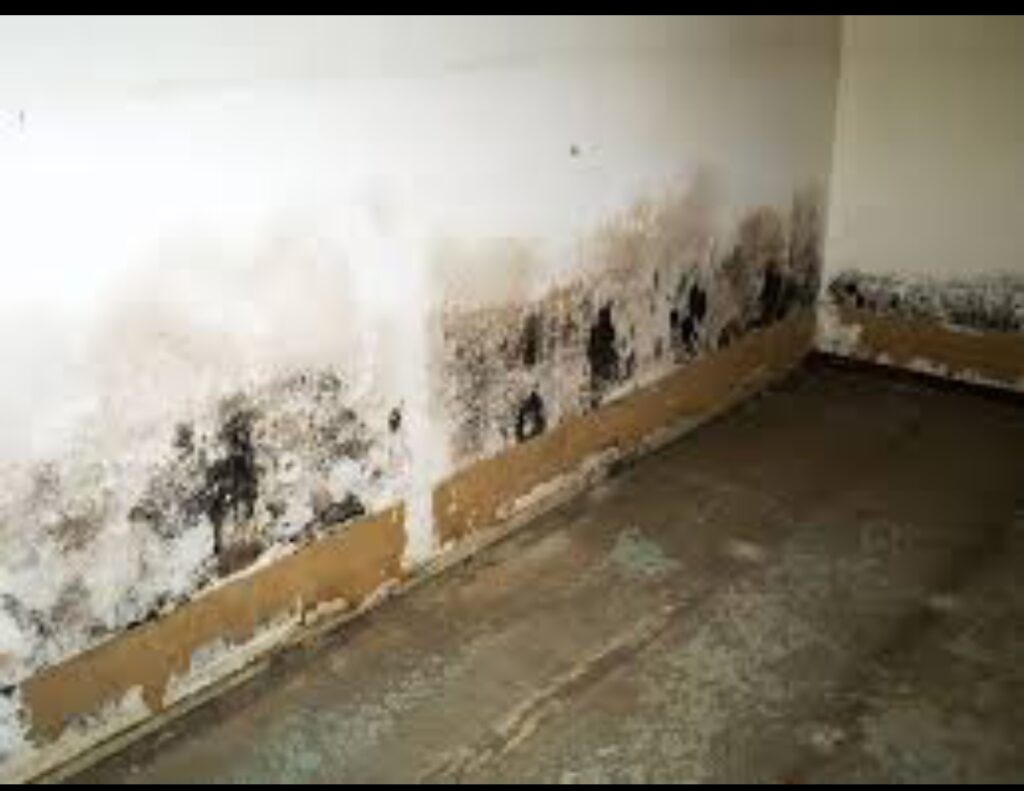
Mold-related air quality issues are strongly tied to humidity. Mold does not need visible leaks or flooding to grow. Sustained high humidity alone can support mold growth, especially on porous materials.
Inspection findings commonly connect mold growth to:
- Indoor humidity staying above recommended levels
- Limited ventilation
- Homes kept closed year-round
This explains why mold is often found without obvious water damage.
HVAC systems play a major role in humidity management, but inspections show they don’t always remove enough moisture. Systems that are oversized or short-cycle cool the air quickly and shut off before adequate dehumidification occurs.
When this happens:
- Humidity remains high
- Condensation forms inside air handlers
- Moisture lingers in ductwork
These conditions directly impact indoor air quality.
Another consistent inspection lesson involves persistent odors. Moist air allows odor-causing compounds to linger longer, which is why homes with high humidity often smell musty even when no mold is visible.
Inspection reports frequently link odors to:
- Damp building materials
- Moist HVAC components
- Hidden microbial growth
Odors are often a humidity problem, not a cleanliness issue.
Humidity also affects how air moves through a home. Moist air allows contaminants to travel farther and stay suspended longer, increasing exposure throughout living spaces.
This contributes to:
- Reduced indoor air quality
- Greater circulation of airborne particles
- Air that feels stagnant
These conditions are common in North Lauderdale homes with unmanaged humidity.
Another lesson from inspections is that humidity problems develop gradually. Homeowners rarely notice a sudden change. Instead, discomfort builds slowly over time.
Early indicators often include:
- Condensation on vents or windows
- Damp-feeling air
- Odors that come and go
Ignoring these signs allows air quality to continue declining.
Inspection data shows that homes with controlled humidity experience fewer indoor air quality complaints. When moisture levels are balanced, particles settle faster, odors dissipate, and mold growth becomes far less likely.
Effective humidity control often involves:
- Properly sized HVAC systems
- Clear AC drain lines
- Adequate ventilation
- Monitoring indoor humidity
These steps address the cause rather than symptoms.
Homes that ignore humidity issues often experience escalating problems. What starts as mild discomfort can turn into mold growth, persistent odors, and higher maintenance costs.
Early attention to humidity:
- Improves air quality
- Enhances comfort
- Reduces mold risk
- Lowers long-term costs
Waiting allows small issues to compound.
Professional indoor air quality evaluations focus heavily on humidity because it influences nearly every other air quality factor. Measuring moisture levels helps determine whether air quality issues are environmental rather than surface-related.
This provides clarity without guesswork.
Homes in face constant humidity challenges that make moisture control essential for healthy indoor air.
