
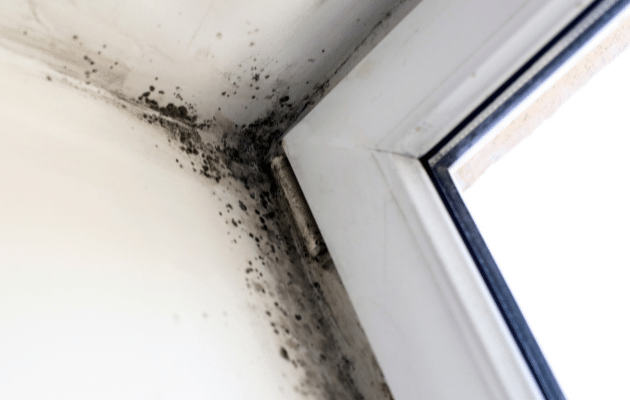
How Humidity Impacts Indoor Air Quality – Lessons From Real Inspections for Homes in Plantation
Humidity is one of the most underestimated indoor air quality problems in South Florida. During real home inspections across Plantation, one pattern shows up again and again: homeowners focus on dust, filters, or odors—but humidity is the real driver behind most air quality issues.
Let’s break down how humidity quietly affects your home, what inspectors see in the field, and why controlling moisture is the key to healthier indoor air.
🌫️ The Hidden Role Humidity Plays in Indoor Air Quality
Humidity isn’t just about comfort. When indoor moisture levels stay high, it directly affects what you breathe.
From real inspections, elevated humidity commonly leads to:
- Mold growth inside walls, ceilings, and HVAC systems
- Increased airborne mold spores and bacteria
- Dust mites thriving in carpets and furniture
- Persistent musty odors that won’t go away
- HVAC systems working harder but cooling less effectively
💡 Key insight: Many “air quality” complaints aren’t caused by dirty air—they’re caused by air that’s too wet.
📊 What Inspectors See in Plantation Homes
During inspections in Plantation, humidity-related issues often show up even in newer or well-maintained homes.
🔍 Common Findings
- Indoor humidity levels above 60%
- Condensation forming on AC vents and ductwork
- Mold growth on supply boots and insulation
- Damp attic insulation with no visible roof leak
- Air handlers sweating due to poor airflow or insulation
In many cases, homeowners had no visible mold—but air testing revealed elevated spore counts caused by hidden moisture.
🦠 How High Humidity Degrades Indoor Air
1. Mold Growth Accelerates
Mold needs moisture to grow. Once humidity stays high:
- Mold colonies establish faster
- Spores release into the air more frequently
- Hidden growth spreads behind walls and above ceilings
Even small moisture issues can snowball into major air quality problems.
2. HVAC Systems Become Contamination Sources
Your HVAC system is designed to remove some moisture—but not excessive humidity.
Inspectors often find:
- Mold in drip pans and coils
- Wet duct insulation feeding microbial growth
- Dirty air being circulated throughout the home
Instead of improving air quality, the system becomes part of the problem.
3. Allergens Multiply Indoors
High humidity creates the perfect environment for:
- Dust mites
- Bacteria
- Mildew
This explains why many homeowners experience allergy symptoms indoors but feel better outside, even on humid days.
🛑 The Biggest Mistake Homeowners Make
Assuming air filters solve humidity problems.
From inspections, changing filters helps airflow—but it does nothing to control moisture levels. Without addressing humidity, mold and allergens return quickly.
💡 Lesson learned: Indoor air quality problems almost always come back if humidity isn’t controlled first.
🧪 How Inspectors Measure Humidity-Related Air Quality Issues
Professional inspections typically include:
- Indoor humidity readings in multiple rooms
- Moisture mapping of walls and ceilings
- HVAC system inspection (coils, ducts, insulation)
- Air sampling for mold spores
- Attic and crawl space moisture evaluation
This approach identifies both the symptom and the source, not just surface issues.
🛠️ What Actually Improves Indoor Air Quality in Plantation Homes
Based on real inspection outcomes, the most effective steps include:
✔ Keeping indoor humidity between 30–50%
✔ Properly sizing and maintaining HVAC systems
✔ Sealing and insulating ductwork
✔ Improving attic ventilation
✔ Using dehumidifiers when needed
✔ Addressing condensation and airflow problems early
Homes that control humidity see dramatic drops in mold spores and odors—often without major renovations.
🏡 Why Plantation Homes Are Especially Vulnerable
Plantation’s warm temperatures, frequent rain, and long cooling seasons mean:
- AC systems run constantly
- Moisture accumulates quietly over time
- Homes stay closed up for most of the year
Without active humidity management, indoor air quality slowly declines—even when everything looks fine.
📌 Final Takeaway
From real inspections, one truth stands out: humidity is the foundation of indoor air quality problems. Control moisture, and most air quality issues fade. Ignore it, and mold, odors, and health symptoms follow.
If you want, I can put together:
- A humidity control checklist for Plantation homes
- A room-by-room inspection guide
- Or a preventive maintenance plan to protect your indoor air year-round
