

How Humidity Impacts Indoor Air Quality – Real Risks, Not Fear Tactics for Homes in Sunrise
Humidity doesn’t usually feel like a threat. It feels sticky, uncomfortable, and annoying—but not dangerous. In homes across Sunrise, that assumption causes real indoor air quality problems. From real inspections, one thing stays consistent: high indoor humidity quietly creates conditions that degrade air quality long before homeowners realize it’s happening.
This isn’t about scare tactics or worst-case scenarios. It’s about understanding how humidity behaves inside Sunrise homes, what the data and inspections actually show, and why indoor air quality often suffers even when homes look clean and well-maintained.
Humidity Is More Than Just Comfort
Most homeowners think about humidity only in terms of comfort. If the house feels muggy, the AC goes lower. That reaction treats the symptom, not the cause.
High indoor humidity:
- Allows airborne particles to stay suspended longer
- Creates ideal conditions for mold growth
- Increases dust mite activity
- Reduces overall air freshness
Indoor air quality declines when humidity stays elevated, even if no visible damage exists.
What Real Inspections Show Inside Sunrise Homes
Humidity Builds Up Quietly
In Sunrise homes, inspections frequently reveal humidity issues without obvious warning signs.
Common findings include:
- Elevated moisture levels inside walls
- Condensation near vents and windows
- Damp insulation inside wall cavities
Homeowners often feel “something is off” before they ever see a visible problem.
The Relationship Between Humidity and Mold
Mold doesn’t need flooding or leaks to grow. Humidity alone can be enough.
When indoor humidity stays high:
- Mold spores activate more easily
- Growth begins on porous materials
- Hidden mold develops behind walls and ceilings
Inspections consistently show mold growth in homes where humidity remains uncontrolled, even without water damage.
Why Sunrise Homes Face Higher Humidity Challenges
Sunrise homes sit in a climate that naturally holds moisture year-round. That reality affects indoor environments daily.
Key contributors include:
- Warm outdoor air entering the home
- Frequent AC cycling
- Afternoon storms and rainfall
- Limited ventilation in some layouts
These factors make humidity control harder than most homeowners expect.
HVAC Systems Play a Major Role in Humidity Control
AC Systems Don’t Always Remove Enough Moisture
Many homeowners assume air conditioning automatically controls humidity. That’s not always true.
Inspections often reveal:
- AC systems sized incorrectly for the home
- Short cycling that cools air but leaves moisture behind
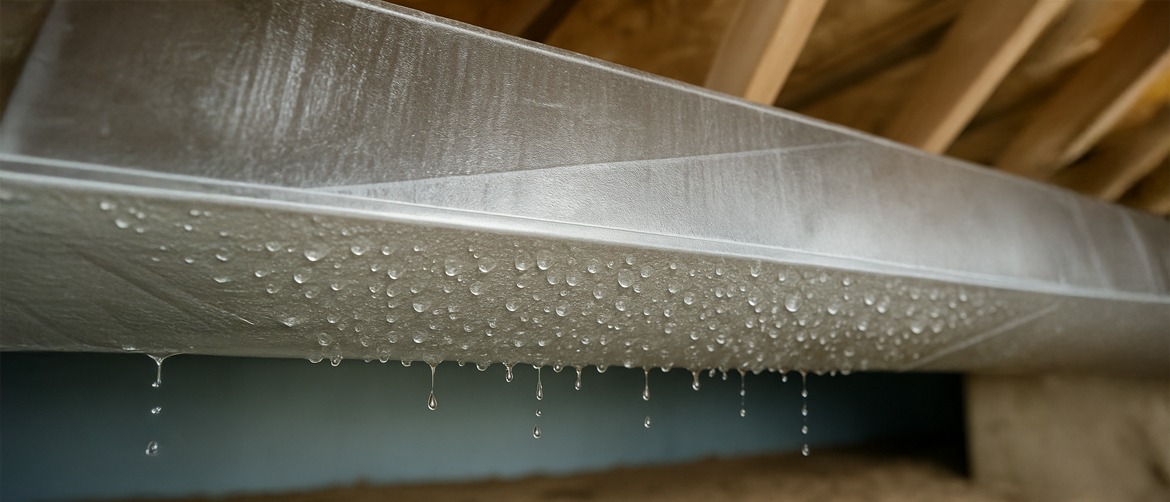
- Condensation buildup inside ducts and air handlers
When moisture stays inside the system, indoor air quality suffers.
High Humidity Affects Airborne Particles
Humidity changes how air behaves. Moist air allows particles to linger longer.
This includes:
- Mold spores
- Dust
- Allergens
- Pollutants
Instead of settling, these particles remain airborne, increasing exposure throughout the home.
Why Homes Can Feel “Stuffy” Without Visible Issues
Many Sunrise homeowners describe homes that feel heavy or stale even when clean. Inspections often point to humidity.
High humidity:
- Reduces air circulation effectiveness
- Traps odors
- Makes air feel thick
That uncomfortable feeling often signals declining indoor air quality.
Condensation Is a Red Flag, Not a Minor Issue
Moisture Where It Shouldn’t Be
Condensation shows up when warm, humid air meets cooler surfaces.
Inspections commonly find condensation:
- Around supply vents
- On windows and frames
- Inside HVAC ductwork
Condensation feeds mold growth and signals humidity problems that need attention.
Humidity and Dust Mites Go Hand in Hand
Dust mites thrive in humid environments. While invisible, they affect indoor air quality significantly.
High humidity allows:
- Dust mite populations to grow
- Increased allergen levels in the air
- More respiratory irritation
Lowering humidity reduces these allergens without drastic measures.
Why DIY Solutions Often Fall Short
Homeowners often try to manage humidity on their own. Sometimes it helps temporarily.
DIY efforts often fail when:
- Dehumidifiers are undersized
- Humidity sources remain unaddressed
- HVAC systems don’t support moisture removal
Without identifying the root cause, humidity problems persist.
How Humidity Impacts Indoor Air Over Time
Humidity-related air quality issues develop slowly. That’s why they’re easy to ignore.
Over time, high humidity can:
- Increase mold risk
- Degrade insulation and building materials
- Lower overall air quality
- Create persistent odors
By the time problems feel serious, they’ve often existed for months.
What Inspections Focus On When Evaluating Humidity
Real inspections don’t guess. They measure.
Inspectors evaluate:
- Indoor humidity levels
- Moisture inside walls and ceilings
- HVAC performance
- Airflow and ventilation
This data-driven approach explains why air quality feels off even without visible damage.
What Healthy Indoor Humidity Looks Like
Most inspections aim for a balanced humidity range that supports air quality.
Healthy indoor humidity typically stays:
- Low enough to discourage mold
- High enough to remain comfortable
- Stable throughout the home
When humidity stays balanced, indoor air quality improves naturally.
Preventing Humidity-Related Air Quality Problems
Prevention focuses on control, not fear.
Helpful steps include:
- Monitoring indoor humidity levels
- Addressing condensation quickly
- Ensuring HVAC systems remove moisture effectively
- Improving ventilation where needed
When humidity stays under control, many air quality problems never start.
Lessons From Real Inspections in Sunrise
From real inspections, one lesson stands out clearly. Humidity problems don’t announce themselves loudly, but they affect indoor air quality consistently.
Homes with elevated humidity almost always show:
- Reduced air freshness
- Higher mold risk
- Ongoing comfort complaints
Once humidity gets addressed, indoor air quality often improves noticeably.
Final Thoughts: Humidity Deserves Respect, Not Fear
Humidity isn’t something to panic about, but it’s also not something to ignore. In Sunrise homes, real inspections show how often humidity quietly impacts indoor air quality.
Understanding how humidity behaves inside your home removes the mystery and replaces fear with clarity. When moisture stays balanced, air feels lighter, fresher, and healthier.
The takeaway is simple and practical:
Control humidity, and indoor air quality takes care of itself.
