
How Humidity Impacts Indoor Air Quality – Why Ignoring It Costs More for Homes in North Lauderdale
Humidity doesn’t kick down the door and demand attention. It slips in quietly, makes the air feel a little heavier, lets odors linger a bit longer, and slowly chips away at comfort and air quality. Real inspections inside homes across North Lauderdale show a clear pattern: homeowners don’t pay more because humidity is dramatic—they pay more because it gets ignored until it drags other problems along with it.
This article breaks down what humidity actually does to indoor air, why Florida homes feel the impact faster, and how small delays quietly turn into expensive fixes.
Why Humidity Problems Feel Easy to Ignore
Florida homes stay cool most of the year. That alone masks a lot of trouble.
Humidity gets dismissed because:
- The AC still blows cold
- Nothing looks visibly damaged
- Odors come and go
- Discomfort builds slowly
- Sticky air feels “normal” here
Ever think, “That’s just Florida”? Humidity loves that mindset.
What Indoor Air Quality Really Means
Indoor air quality isn’t just about dust or smells. It’s about how air behaves over time.
Poor indoor air quality usually includes:
- Moisture hanging in the air
- Odors that don’t fully clear
- Particles lingering longer
- Air that feels stale or heavy
- Comfort that never quite feels right
IMO, most air quality issues show up as comfort complaints long before damage becomes visible.
Humidity Is the Silent Multiplier
Humidity doesn’t create problems on its own—it makes every small issue worse.
High indoor humidity causes:
- Slower evaporation
- Persistent condensation
- Materials absorbing moisture daily
- Air that feels thick
- Faster mold-friendly conditions
In North Lauderdale homes, humidity often sits just high enough to cause trouble without setting off alarms.
Why “Cool” Homes Can Still Have Bad Air
Cooling and dehumidifying aren’t the same thing.
Homes with humidity-driven air quality problems often feel:
- Cool but sticky
- Fresh briefly, then stale
- Comfortable on the thermostat, uncomfortable in reality
- Hard to fully air out
When systems cool air too quickly, moisture stays behind—and indoor air quality drops quietly.
Condensation: Small Drops, Big Costs
Condensation feels harmless because it appears and disappears.
Inspectors regularly find condensation:
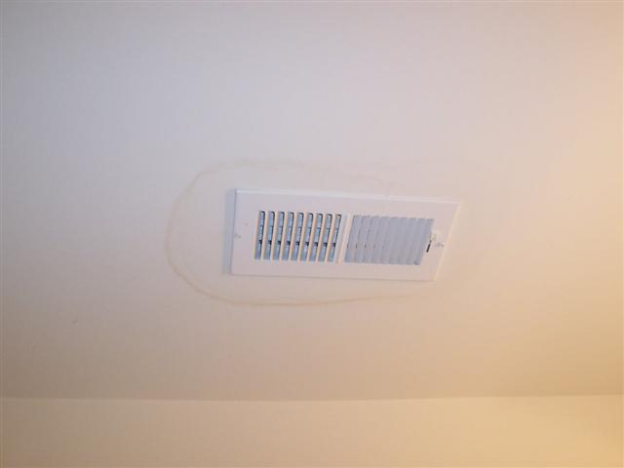
- On AC vents and registers
- Inside ductwork
- On windows and sliding doors
- On bathroom ceilings
- On walls near temperature changes
Those tiny droplets soak into drywall, insulation, and framing. Over time, they degrade air quality and materials without obvious warning signs.
How Humidity Feeds Indoor Air Quality Problems
Air Holds More Than You Think
Humid air doesn’t just hold moisture—it holds everything else longer too.
High humidity causes:
- Odors to linger
- Airborne particles to settle slowly
- Rooms to feel stale
- Poor perceived freshness
Even clean homes feel “off” when humidity stays elevated.
HVAC Systems: Where Costs Start to Climb
Airflow Spreads the Problem
HVAC systems don’t create humidity—but they amplify its effects.
When humidity stays high, inspectors often find:
- Condensation inside air handlers
- Wet drain pans
- Moist duct insulation
- Short cycling
- Uneven airflow
Once HVAC components get involved, air quality issues turn into larger, more expensive projects.
Why Ignoring Humidity Gets Expensive Fast
Early humidity issues stay manageable. Ignored ones don’t.
Inspection data shows delay leads to:
- Hidden mold growth
- Material contamination
- HVAC system involvement
- Larger remediation scope
- Higher labor and equipment costs
- Longer disruption
Humidity rarely stays isolated—it pulls other problems along with it.
Musty Odors Are a Cost Warning, Not a Nuisance
Odors don’t appear randomly.
Inspectors often trace persistent musty smells to:
- Moist insulation
- Condensation-fed microbial growth
- Hidden damp materials
- HVAC airflow spreading particles
FYI, odors that come back after cleaning almost always point to active moisture.
Why DIY Fixes Increase Long-Term Costs
Sprays, air fresheners, and foggers feel proactive—but they delay real solutions.
DIY approaches fail because:
- They mask symptoms
- They ignore moisture
- They allow conditions to worsen
- They push remediation further down the road
Covering smells adds time. Time adds cost.
Water Events That Change Air Quality Long After Drying
Homeowners often say, “That leak dried.”
Inspections later reveal:
- Moisture trapped inside walls
- Damp insulation
- Elevated humidity months later
- Hidden growth affecting air
Surface drying doesn’t mean internal drying—and air quality pays the price.
Why North Lauderdale Homes Feel the Impact Faster
Local conditions accelerate everything.
Homes here deal with:
- Consistent humidity
- Heavy AC dependence
- Limited natural ventilation
- Storm-driven moisture
- Slow drying conditions
Small air quality issues compound faster here than in drier climates.
Health Complaints That Signal Costly Delays
Symptoms don’t diagnose problems, but patterns matter.
Homeowners often report:
- Sneezing indoors
- Itchy or watery eyes
- Scratchy throat
- Fatigue at home
- Relief when leaving the house
Ignoring these patterns lets conditions—and costs—grow.
What Inspectors Look for When Costs Start Rising
Inspectors don’t guess—they follow data.
They evaluate:
- Indoor humidity levels
- Condensation behavior
- Moisture inside materials
- HVAC performance
- Airflow balance
- History of leaks or storms
Indoor air quality problems always trace back to moisture behavior.
The Cost Difference Between Early and Late Action
Homes that act early usually need:
- Targeted humidity correction
- Limited remediation
- Minimal material removal
- Shorter timelines
Homes that wait often face:
- Widespread contamination
- HVAC system remediation
- Multiple affected rooms
- Higher labor and equipment costs
Same humidity issue. Very different bill.
What Actually Improves Indoor Air Quality
Long-term improvement comes from conditions, not products.
Effective solutions include:
- Controlling indoor humidity
- Addressing condensation quickly
- Fixing moisture sources
- Improving HVAC drainage and airflow
- Drying affected materials fully
Air quality improves when moisture stops lingering.
Practical Steps That Save Money Over Time
You don’t need panic—just consistency.
Smart steps include:
- Monitoring indoor humidity
- Using bathroom exhaust fans every time
- Watching for condensation
- Investigating odors early
- Checking AC drain lines
- Scheduling inspections after leaks or storms
Small actions early prevent large invoices later.
Why Ignoring Humidity Always Costs More
Humidity doesn’t stay neutral. It either gets controlled or it spreads its influence through air quality, materials, and HVAC systems. Real inspections in North Lauderdale show homeowners don’t save money by waiting—they multiply costs by letting moisture quietly do its thing.
Address humidity early. Watch the small signs. In Florida homes, ignoring indoor air quality doesn’t make it go away—it just makes it more expensive.
