
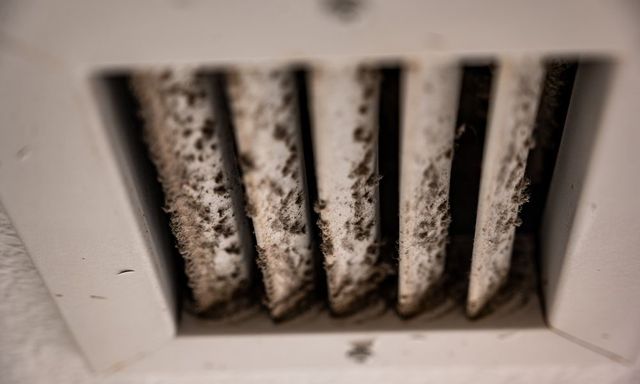
Mold doesn’t usually take over a house all at once. In Coral Springs, we see it travel—quietly, efficiently, and almost always through the HVAC system. Homeowners notice one room feels off, then another smells musty, and suddenly the whole house seems affected. From real inspections, that pattern almost always traces back to airflow and moisture working together inside the system meant to keep the home comfortable.
This article breaks down how mold spreads through HVAC systems, using lessons from real inspections for homes in Coral Springs. No scare tactics. No technical overload. Just what actually happens inside systems, why it spreads the way it does, and how small issues turn into whole-home problems when nobody catches them early.
Why HVAC Systems Matter So Much in Coral Springs Homes
Living in Coral Springs means air conditioning runs most of the year. That constant airflow connects every room, every closet, and every corner of the house.
Most homeowners assume:
- Mold would stay where it started
- HVAC systems filter problems out
- If one room looks fine, the system is fine
Real inspections show the opposite. HVAC systems often act as the fastest distribution network mold could ask for.
The Simple Science: Airflow + Moisture = Spread
Mold spores already exist everywhere. The HVAC system doesn’t create them. It moves them.
When moisture enters the system:
- Mold can grow on internal components
- Spores get pulled into airflow
- The system distributes them room to room
From an inspection standpoint, spread isn’t mysterious. It follows airflow patterns every time.
Where Mold Starts Inside HVAC Systems
Mold doesn’t grow evenly throughout an HVAC system. It favors specific components.
From real inspections, early growth most often appears on:
- Evaporator coils
- Internal insulation
- Drain pans
- Return-side components
These areas stay cool, damp, and dark—perfect conditions for mold to settle in quietly.
The Evaporator Coil Problem
Evaporator coils remove heat and moisture from the air. That moisture has to go somewhere.
What we often find during inspections:
- Condensation that never fully dries
- Biofilm forming on coils
- Mold growth that stays hidden behind panels
Once mold establishes on coils, every cooling cycle picks up spores and pushes them through the home.
Drain Pans and Drain Lines: Small Parts, Big Impact
Drain pans exist to catch condensation. Problems start when drainage slows down.
Inspection findings often include:
- Standing water in pans
- Slime buildup in drain lines
- Overflow that wets surrounding insulation
Even minor drainage issues can create constant moisture, which feeds mold growth inside the system.
Internal Insulation: The Mold Multiplier
Many air handlers contain internal insulation to reduce noise and improve efficiency. That insulation absorbs moisture easily.
From real inspections, we often find:
- Damp insulation with no visible leaks
- Mold growth embedded inside insulation
- Spores releasing directly into airflow
Once insulation gets contaminated, surface cleaning rarely solves the problem.
How Mold Travels From One Room to Another
Once mold enters the HVAC system, spread becomes predictable.
Here’s what we commonly see:
- Mold develops inside the air handler
- Spores enter supply airflow
- Rooms closest to the system show symptoms first
- Low-airflow rooms trap spores longer
- The issue slowly appears house-wide
Homeowners often think mold “popped up everywhere.” In reality, it traveled.
Why Some Rooms Feel Worse Than Others
Not every room gets equal airflow.
During inspections, we often measure:
- Higher humidity in bedrooms with closed doors
- Poor circulation in closets
- Moisture lingering in rooms farthest from the air handler
Those spaces often show mold or odor issues first, even though the source sits in the system.
Odors That Appear When the AC Turns On
This is one of the most common HVAC-related mold clues.
Homeowners report:
- Musty smells only when cooling starts
- Odors that fade after running
- Smells that move room to room
That pattern almost always points to mold inside the HVAC system, not a random room issue.
Why Coral Springs Homes Face Consistent HVAC Mold Risk
Homes throughout Broward County deal with mold pressure, but Coral Springs adds long cooling seasons and tightly sealed construction.
Inspection trends often show:
- Short AC cycles that cool quickly
- Limited dehumidification
- HVAC systems that rarely fully dry
Efficiency helps energy bills but can trap moisture when systems don’t dry out properly.
What Most People Get Wrong About Filters
Filters matter—but they don’t stop mold growth inside systems.
Filters:
- Catch larger particles
- Do not stop mold growth on coils
- Do not dry wet components
We inspect plenty of homes with clean filters and active HVAC mold growth.
Why Cleaning Vents Doesn’t Fix the Problem
Cleaning vents treats symptoms, not sources.
Vent cleaning does not:
- Remove mold from coils
- Dry internal insulation
- Stop moisture production
That’s why odors and symptoms return quickly after vent cleaning alone.
Mold Inspection: How HVAC Spread Gets Confirmed
A professional mold inspection connects airflow patterns with moisture data.
During inspections, professionals evaluate:
- Humidity levels
- Moisture inside HVAC components
- Condition of coils and drain systems
- Distribution patterns between rooms
Once airflow and moisture align, the source becomes obvious.
When Mold Testing Helps With HVAC Cases
Not every HVAC case requires mold testing, but testing helps when spread is suspected.
Testing becomes useful when:
- Multiple rooms show symptoms
- Odors appear during AC operation
- Health complaints worsen indoors
- Verification is needed
Air samples help confirm whether spores circulate through the system.
Mold Removal vs. Mold Remediation in HVAC Systems
This distinction matters most with HVAC involvement.
- Mold removal cleans affected components
- Mold remediation corrects moisture and prevents regrowth
Cleaning without moisture correction often leads to fast recurrence.
Why DIY HVAC Cleaning Often Makes Things Worse
DIY cleaning disturbs mold without containment.
From inspections after DIY attempts, we often see:
- Spores spread into ductwork
- Moisture issues left untouched
- Growth returning stronger
HVAC systems require controlled cleaning and moisture correction to work long-term.
Real Inspection Insight: “Every Room Started Smelling”
One Coral Springs homeowner noticed musty odors moving from room to room. No visible mold existed. Inspection revealed mold growth on the evaporator coil and damp internal insulation.
Targeted HVAC remediation stopped the spread. Waiting would have led to duct and room-by-room contamination.
Why HVAC Mold Makes Problems Escalate Faster
Once HVAC systems distribute spores:
- Exposure increases
- Growth appears in new areas
- Remediation scope expands
What started as a small internal issue becomes a whole-home concern quickly.
Verification: The Step That Confirms the Spread Is Stopped
Post-remediation verification matters more with HVAC systems.
Verification may include:
- Moisture measurements
- Visual confirmation inside the system
- Optional follow-up testing
Skipping verification risks restarting the same cycle.
How Often HVAC Systems Should Be Evaluated
In humid climates, HVAC systems deserve routine attention.
Experts recommend evaluation:
- Annually
- After water damage
- When odors appear
- If mold returns repeatedly
Early checks keep problems contained.
Preventing HVAC-Driven Mold Spread
Prevention focuses on keeping systems dry.
Effective prevention includes:
- Maintaining clear drain lines
- Managing indoor humidity
- Ensuring proper airflow
- Scheduling routine HVAC inspections
Dry systems don’t spread mold.
Final Thoughts: HVAC Systems Spread Mold Quietly—Until They Don’t
Mold spread through HVAC systems in Coral Springs homes doesn’t rely on dramatic failures. It relies on moisture, airflow, and time. Ignore those factors, and mold travels room to room without warning.
The solution stays consistent: thorough mold inspection, targeted mold testing when appropriate, proper mold removal, and complete mold remediation with a strong focus on HVAC moisture control. Catch the problem early, and spread stays limited.
If mold seems to show up everywhere at once, don’t assume bad luck. From what we see inside homes, HVAC systems almost always tell the real story—and the sooner someone listens, the easier it is to stop.
