
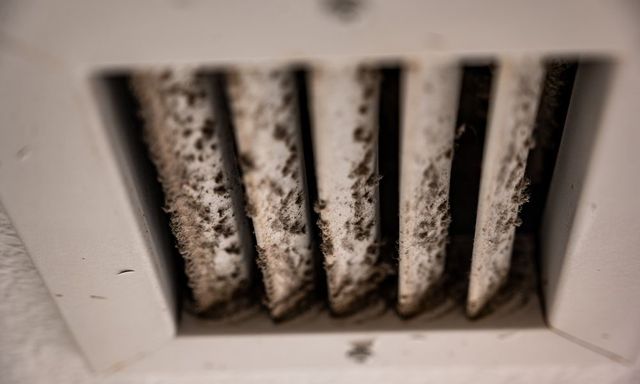
How Mold Spreads Through HVAC Systems – Real Risks, Not Fear Tactics for Homes in Florida
Mold spreading through HVAC systems sounds scary, but it doesn’t need exaggeration to be serious. The real risk comes from how quietly it happens and how long it goes unnoticed. Homes across Florida deal with this more than people realize, mostly because HVAC systems create the perfect environment for mold to move, grow, and circulate.
This isn’t about panic. It’s about understanding what actually happens inside a system most people never see.
Why HVAC Systems Create Ideal Conditions for Mold
Mold needs moisture, limited airflow, and organic material. HVAC systems accidentally provide all three. Florida’s climate just speeds the process up.
HVAC systems encourage mold growth because:
- Condensation forms during cooling cycles
- Dark, enclosed spaces limit evaporation
- Dust inside systems feeds mold
- Humidity stays high year-round
Ever notice how AC components stay damp long after the system shuts off? Mold notices that too.
How Mold First Gets Into an HVAC System
Mold Doesn’t Start in the Ducts by Accident
Mold spores already exist indoors. The issue starts when moisture allows them to activate inside HVAC components. In Florida homes, this happens faster than most people expect.
Common entry points include:
- Condensation on evaporator coils
- Moisture in drain pans
- Damp duct insulation
- Water intrusion near air handlers
- Poorly sealed duct connections
IMO, drain pan and coil moisture cause more HVAC mold than major leaks because they happen constantly and quietly.
The Air Handler: Mold’s Favorite Starting Point
Inspections show that mold often starts inside air handlers. These units collect moisture, dust, and darkness in one place.
Air handlers commonly develop mold on:
- Evaporator coils
- Drain pans
- Interior cabinet surfaces
- Insulation lining
Once mold establishes itself here, the system does the rest of the work for it.
How HVAC Systems Spread Mold Through the Home
HVAC systems don’t trap mold—they distribute it. When mold grows inside the system, spores travel wherever air flows.
This usually results in:
- Spores circulating room to room
- Odors appearing throughout the home
- Contamination reaching clean areas
- Mold settling near vents and returns
Ever clean one room repeatedly but notice the smell keeps coming back elsewhere? That’s airflow doing exactly what it’s designed to do.
Why Mold Spreads Faster in Florida Homes
Florida homes face environmental conditions that accelerate HVAC-related mold spread.
Key factors include:
- High indoor humidity
- Long AC run times
- Frequent condensation cycles
- Storm-related moisture intrusion
- Limited natural ventilation
Even well-maintained systems struggle when humidity stays elevated day after day.
The Role of Ductwork in Mold Distribution
Ducts Act Like Highways, Not Barriers
Once spores enter ductwork, they move freely. Flexible ducts and lined ducts create additional surfaces where moisture can linger.
Duct-related mold issues often involve:
- Condensation inside duct lines
- Mold on duct liners
- Moisture near supply and return vents
- Dust buildup feeding growth
FYI, ducts don’t need visible mold to spread spores. Airflow alone does the job.
What Real Inspections Reveal About HVAC Mold
Inspections focused on HVAC systems almost always uncover more contamination than homeowners expect.
Common inspection findings include:
- Mold inside air handlers
- Contaminated duct interiors
- Elevated airborne spore levels
- Moisture readings above safe limits
- Hidden growth near vents
Visible mold inside living spaces often appears long after HVAC contamination begins.
Why Mold Testing Matters With HVAC Concerns
Data Replaces Guesswork
Mold testing helps confirm whether HVAC systems spread contamination through indoor air. Air samples show what occupants breathe daily, not just what sits on surfaces.
Testing helps:
- Identify airborne mold levels
- Confirm HVAC involvement
- Measure severity
- Guide remediation scope
- Track improvement after cleanup
Skipping testing often leads to underestimating how widespread the issue really is.
Air Duct Cleaning vs. Mold Remediation: A Critical Difference
Many homeowners assume air duct cleaning solves mold problems. It doesn’t when contamination exists.
The distinction matters:
- Air duct cleaning removes dust and debris
- Mold remediation removes contamination and fixes moisture conditions
When mold grows inside HVAC systems, duct cleaning alone never produces lasting results.
Why DIY HVAC Cleaning Usually Fails
DIY efforts often focus on visible vents or filters. Mold rarely lives there alone.
DIY HVAC cleaning fails because:
- Hidden components stay contaminated
- No containment prevents spore spread
- Moisture sources remain
- Air handlers go untouched
Scrubbing vents without addressing the system often spreads spores further.
How Professional Mold Remediation Handles HVAC Systems
Professional remediation treats HVAC systems as part of the larger mold problem, not a side issue.
Proper remediation includes:
- Containing affected areas
- HEPA air filtration
- Cleaning or removing contaminated components
- Correcting moisture sources
- Verifying safe indoor conditions
This approach stops mold from circulating instead of chasing it from room to room.
The Real Health and Comfort Impact
HVAC-spread mold doesn’t always cause dramatic symptoms, but long-term exposure adds up.
Common effects include:
- Persistent musty odors
- Allergy or respiratory irritation
- Headaches indoors
- Fatigue at home
- Uneven cooling and airflow
Many homeowners don’t connect these issues to HVAC systems until inspections reveal the source.
Why Ignoring HVAC Mold Always Costs More
Inspection data shows a consistent trend. Homes delaying action face:
- Wider mold contamination
- HVAC system damage
- Higher remediation costs
- Longer disruption
- Repeat mold problems
Early intervention limits spread and reduces long-term expenses.
What Homeowners Can Do to Reduce HVAC Mold Risk
Prevention focuses on moisture control, not fear.
Smart steps include:
- Monitoring indoor humidity
- Addressing AC drainage issues quickly
- Maintaining proper airflow
- Scheduling inspections when odors or symptoms appear
- Investigating condensation near vents
These steps reduce risk without unnecessary alarm.
Final Thoughts: Understanding Beats Fear Every Time
Mold spreads through HVAC systems because conditions allow it, not because systems are dangerous by default. Homes in Florida show that moisture, humidity, and delayed action create the real risk.
Understanding how mold spreads helps homeowners act early, fix the right problems, and avoid bigger costs later. No fear tactics needed—just facts and smart decisions.
