
How Mold Spreads Through HVAC Systems – The Science Explained Simply for Homes in
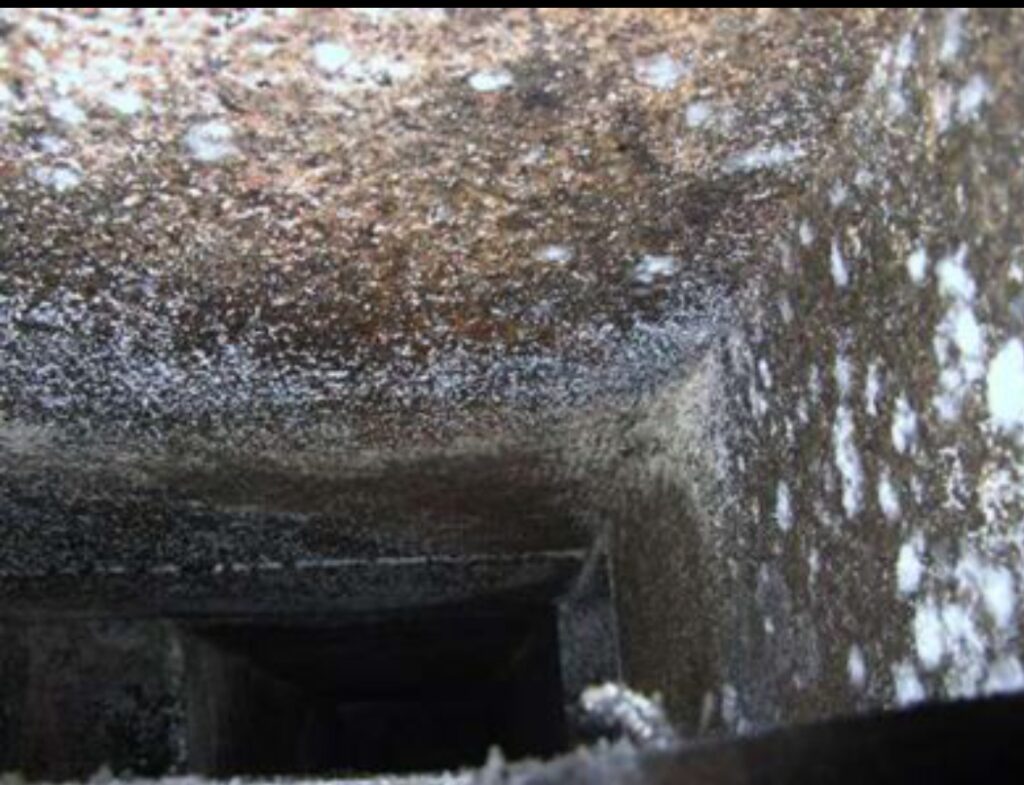
Mold spreading through HVAC systems is one of the most common—and least understood—issues found during inspections in Davie homes. Many homeowners assume mold only affects the room where it’s visible. What the science and real inspections show is that HVAC systems can act as distribution pathways, allowing mold spores to move throughout the entire home.
Because air conditioning runs most of the year in Davie, HVAC-related mold issues don’t stay localized. Once moisture and mold are present inside the system, spores can circulate repeatedly, affecting indoor air quality far beyond the original source.
From a scientific standpoint, mold spreads through HVAC systems because of airflow and moisture. Mold spores are microscopic and lightweight. When air moves through ducts, spores move with it—especially when humidity allows them to remain airborne longer.
HVAC systems provide:
- Constant air circulation
- Stable temperatures
- Areas where condensation can form
Together, these conditions support both mold growth and spore movement.
One of the most common places inspections find mold is inside the air handler. As warm, humid air passes over cold evaporator coils, condensation forms. If drainage or airflow is restricted, moisture builds up.
Inspection findings in Davie homes often include:
- Mold near evaporator coils
- Damp insulation inside air handlers
- Moist drain pans or clogged drain lines
Once mold forms here, every cooling cycle can distribute spores.
Ductwork is another major pathway for mold spread. While mold doesn’t always grow inside ducts, moisture and dust can create favorable conditions—especially in insulated ducting.
Inspectors frequently find:
- Mold on duct insulation near vents
- Condensation inside ducts
- Dust buildup that traps moisture
Airflow then carries spores from these areas into living spaces.
Humidity plays a critical role in HVAC-related mold spread. High indoor humidity allows spores to stay airborne longer and increases condensation inside HVAC components.
In Davie homes, inspections often show:
- Elevated indoor humidity
- Condensation on supply vents
- Air that feels damp or heavy
These conditions increase both mold growth and spore circulation.
Another overlooked factor is short cycling. Oversized HVAC systems cool air quickly and shut off before removing enough moisture.
This leads to:
- Inadequate dehumidification
- Repeated condensation
- Persistent moisture inside the system
Short cycling creates ideal conditions for mold inside HVAC components.
Mold spread through HVAC systems is often suspected when homeowners notice:
- Musty odors that move from room to room
- Symptoms worsening when the AC runs
- Mold appearing in multiple locations
These patterns align closely with HVAC-related distribution.
Cleaning visible mold does not stop HVAC-related spread. When mold remains inside air handlers or ducts, spores continue circulating regardless of surface cleaning elsewhere.
Inspections often reveal mold returning shortly after cleaning because:
- HVAC moisture was not addressed
- Contaminated components were overlooked
- Airflow continued spreading spores
Addressing the HVAC system is essential.
Scientific inspection approaches focus on identifying where moisture is entering the HVAC system. Mold cannot grow or spread without moisture.
Common moisture contributors include:
- Clogged drain lines
- Poor insulation around ducts
- Improper airflow
- High indoor humidity
Correcting these issues limits mold growth and spread.
Professional remediation involving HVAC systems often includes:
- Cleaning or replacing contaminated components
- Correcting drainage and airflow
- Managing indoor humidity
- Using containment to prevent spore spread
This science-based approach prevents recurring issues.
Another key scientific insight is that HVAC-related mold problems develop gradually. Homeowners rarely notice a sudden change. Instead, air quality declines slowly as spores circulate over time.
Early signs often include:
- Persistent odors
- Reduced indoor comfort
- Mold that keeps returning
These are indicators that HVAC moisture should be evaluated.
Homes that address HVAC moisture early typically experience:
- Improved indoor air quality
- Reduced mold recurrence
- Better system efficiency
- Lower long-term costs
Waiting allows mold to spread further through the system.
Homes in face constant humidity challenges that make HVAC systems a common pathway for mold spread when moisture is unmanaged.
