
How Mold Spreads Through HVAC Systems – The Science Explained Simply for Homes in Pompano Beach
When people hear “mold in the HVAC system,” the reactions are usually extreme. Some imagine toxic air blowing through every vent. Others assume it’s just another upsell myth.
The truth—confirmed by real inspections in Pompano Beach—is much simpler and far less dramatic.
Mold doesn’t magically appear inside HVAC systems, and it doesn’t spread randomly. It follows basic science: moisture + surfaces + airflow + time. Once you understand those pieces, HVAC-related mold makes sense—and becomes much easier to control.
This guide explains how mold actually spreads through HVAC systems, using plain language and real-world examples homeowners can understand.
First, the One Thing Mold Needs More Than Anything
Mold spores are everywhere—indoors and outdoors. That alone is not a problem.
👉 Mold only grows when moisture is present.
In HVAC systems, moisture commonly comes from:
- Condensation on cold metal surfaces
- AC drain pan or drain line issues
- High indoor humidity
- Poor airflow that prevents drying
No moisture = no mold growth.
This single fact explains almost everything that follows.
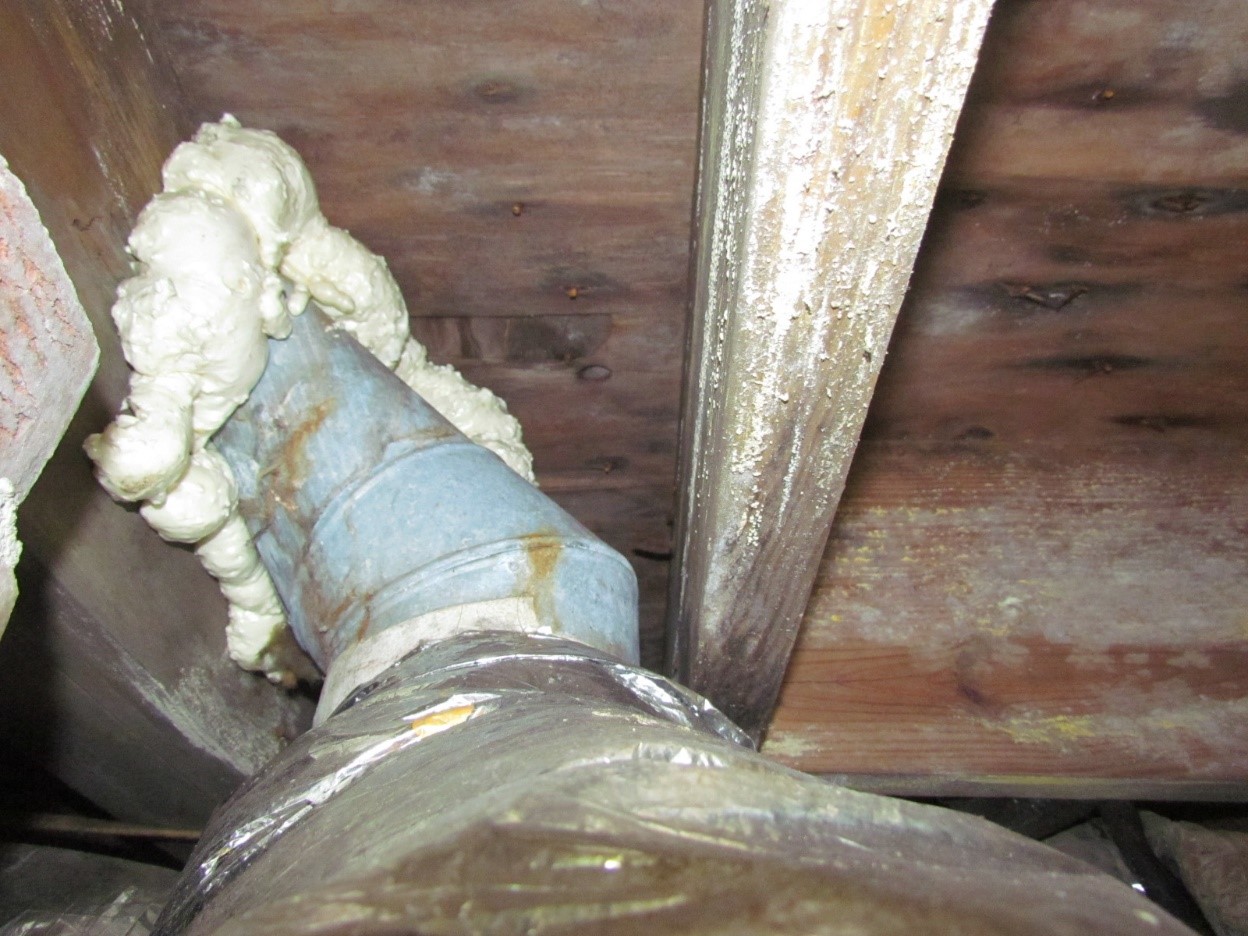
Why HVAC Systems Are Naturally Vulnerable to Moisture
Air conditioners are designed to cool air—and cooling creates condensation.
Here’s the simple science:
- Warm, humid air enters the system
- Air passes over cold evaporator coils
- Moisture condenses out of the air
- That water must drain away properly
When drainage or airflow isn’t ideal, moisture lingers. And lingering moisture creates perfect mold conditions.
This is especially relevant in Pompano Beach, where:
- Humidity stays high most of the year
- AC systems run almost constantly
- Coastal air slows evaporation
Where Mold Actually Starts Inside HVAC Systems
One major misconception is that mold starts at air vents.
Science (and inspections) say otherwise.
Mold most often starts:
- On evaporator coils
- Inside air handlers
- In drain pans
- In damp duct insulation
- Near return plenums
Supply vents are usually where mold is noticed, not where it begins.
The Role of Dust (And Why It Matters)
Mold doesn’t grow on clean metal alone. It needs something organic.
Dust provides:
- Skin cells
- Fabric fibers
- Pollen
- Microscopic debris
When dust sticks to damp HVAC components, it becomes a food source for mold. That’s why systems with dirty coils or neglected maintenance are more likely to develop mold problems.
How Mold Spreads Through the HVAC System (Step by Step)
This part sounds complicated—but it’s not.
Step 1: Mold Grows on a Damp Surface
Usually coils, drain pans, or insulation.
Step 2: Airflow Passes Over the Growth
Every time the AC runs, air moves across that surface.
Step 3: Spores Become Airborne
Mold releases microscopic spores that lift easily into moving air.
Step 4: Spores Travel Through Ductwork
Ducts act like highways, distributing air—and spores—to rooms.
Step 5: Spores Exit Through Supply Vents
They settle on surfaces or remain airborne, depending on conditions.
HVAC systems don’t create mold.
They transport spores once mold already exists.
Why Pompano Beach Homes See HVAC Mold More Often
Local conditions play a huge role:
- High coastal humidity
- Frequent rain
- Warm temperatures year-round
- Constant AC operation
- Ductwork often routed through warm attic spaces
These factors increase condensation risk. And condensation is what drives HVAC mold—not neglect, not dirt, not bad luck.
Common Myths the Science Doesn’t Support
❌ “Running the AC prevents mold”
Only if it removes moisture effectively. Oversized or poorly maintained systems cool air without dehumidifying it properly.
❌ “If I don’t see mold at vents, there isn’t any”
Mold usually grows deeper in the system long before vents show signs.
❌ “Duct cleaning alone fixes HVAC mold”
Cleaning removes dust, not moisture. Without moisture control, mold often returns.
❌ “Bleach kills HVAC mold”
Bleach doesn’t penetrate insulation or porous materials—and adds moisture.
Science doesn’t support shortcuts.
Why HVAC Mold Can Affect the Whole Home
Because HVAC systems recirculate air, spores can pass through the system dozens of times per day.
That means:
- Exposure is repeated
- Mold odors may come and go
- Symptoms may feel inconsistent
- One small growth area can affect many rooms
This doesn’t mean every HVAC mold issue is severe—but it explains why localized growth can feel widespread.
Health Effects: What Science Actually Shows
HVAC mold exposure doesn’t affect everyone the same way.
Common reactions include:
- Sneezing or congestion
- Sinus irritation
- Headaches
- Fatigue
- Worsening allergies or asthma
Some people feel nothing at all.
The science shows that exposure level and sensitivity matter more than mold type.
Why DIY Fixes Usually Fail (Scientifically)
DIY efforts often focus on appearance, not conditions.
They usually:
- Spray visible areas
- Clean vents
- Mask odors
But science says mold stops growing only when:
- Moisture is eliminated
- Surfaces dry completely
- Airflow improves
- Humidity is controlled
If moisture remains, mold regrows—even after aggressive cleaning.
Early HVAC Warning Signs Science Explains Well
Before mold is visible, inspections often note:
- Musty smells when AC turns on
- Excess condensation near vents
- Indoor humidity that stays high
- Dust returning quickly after cleaning
- Uneven cooling
These signs appear before mold becomes obvious—because they reflect moisture problems, not mold itself.
What Actually Prevents HVAC Mold (No Guesswork)
Based on how mold works, prevention focuses on:
- Proper AC sizing
- Clean evaporator coils
- Clear drain lines
- Controlled indoor humidity
- Good airflow
- Dry duct insulation
When systems dry properly, mold cannot grow—no matter how many spores exist.
Why Early Attention Matters More in Pompano Beach
Warm, humid environments accelerate mold growth. That means:
- Small delays allow faster spread
- Moisture lingers longer
- HVAC systems stay damp more often
Early moisture correction keeps HVAC mold small, manageable, and localized.
Final Thoughts: HVAC Mold Follows Simple Science
In Pompano Beach homes, mold spread through HVAC systems isn’t mysterious or inevitable. It follows clear, basic rules:
- Moisture allows growth
- Dust provides food
- Airflow moves spores
- Time allows spread
Once homeowners understand the science, HVAC mold becomes predictable, preventable, and far less intimidating.
