
How Mold Spreads Through HVAC Systems – What the Data Tells Us for Homes in Lauderhill
Most homeowners think mold stays in one place. That would be nice… but it doesn’t work that way. Once mold reaches an HVAC system, it can travel through the entire house faster than people expect. I’ve seen this happen in homes across Lauderhill and other Broward County cities, and honestly, duct systems often spread mold farther than the original moisture source ever could.
Ever turned on the AC and noticed a musty smell drifting from one room to another? That’s often your first clue something is moving through the system.
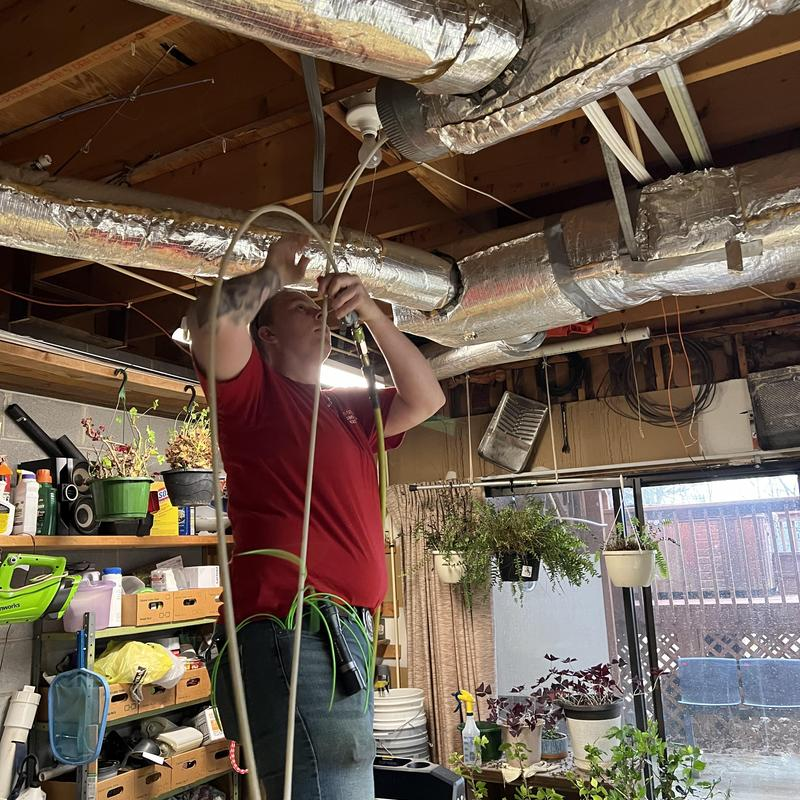
Why HVAC Systems Spread Mold So Easily
HVAC systems move air nonstop. That airflow doesn’t just move cool air—it also moves dust, moisture, and mold spores.
Here’s what the data from inspections consistently shows:
- Mold spores travel easily through return ducts
- Condensation inside ducts creates moisture
- Dust inside ductwork provides organic material
- Airflow distributes spores throughout the home
Put those four factors together and mold spreads quickly.
IMO, duct systems act like highways for mold spores. Once contamination starts, it rarely stays confined to one room.
Where Mold Usually Starts in HVAC Systems
Mold rarely begins in the middle of a duct line. It usually starts where moisture collects first.
Common Starting Points
During mold inspection and mold testing, we frequently find mold in:
- Evaporator coils
- Drain pans
- Air handler compartments
- Flexible duct insulation
- Return air ducts
These areas stay cool and often collect condensation, especially in Florida’s humid climate.
Ever looked inside an AC closet and felt warm, damp air? That environment encourages mold growth.
Why Lauderhill Homes Face Higher HVAC Mold Risk
Climate plays a huge role. Homes in Lauderhill experience conditions that make duct moisture more likely.
Local Conditions That Contribute
Homes in this area often deal with:
- High humidity most of the year
- AC systems running long hours
- Frequent summer storms
- Temperature differences between attic spaces and ducts
When warm humid air meets cold duct surfaces, condensation forms. That moisture often stays trapped inside insulation or duct joints.
FYI, even small condensation problems can create mold conditions in just a few days.
How Mold Actually Spreads Through the System
Many homeowners imagine mold spreading slowly. In reality, spores move quickly once airflow carries them.
The Spread Process
Here’s what typically happens:
- Mold begins growing near moisture inside the system
- Airflow picks up spores
- Spores travel through supply ducts
- Spores settle in other rooms
That’s why mold sometimes appears in rooms far from the original source.
I once inspected a home where mold began near the air handler but showed up in three bedrooms within weeks. The duct system distributed spores throughout the house.
Early Signs Mold May Be Inside Ductwork
HVAC mold often gives subtle clues before becoming severe.
Warning Signs to Watch For
- Musty smells when the AC starts
- Odors that fade after a few minutes
- Increased dust near vents
- Allergy symptoms worsening indoors
- Uneven airflow or humidity
These signs don’t confirm mold by themselves, but they strongly suggest further inspection.
Ask yourself this: if air moves through ducts all day, what else might be moving with it?
Why Mold Inspection and Mold Testing Matter
Many homeowners try to diagnose mold visually, but duct systems hide contamination well.
Mold inspection identifies moisture sources, airflow problems, and visible contamination.
Mold testing measures airborne spores and indoor air quality.
Testing often reveals elevated spore levels even when homeowners don’t see mold anywhere in the living space.
That information helps determine whether mold removal or full mold remediation is necessary.
Mold Removal vs Mold Remediation in HVAC Systems
These terms sound similar, but they involve different levels of work.
Mold Removal
Removal focuses on:
- Cleaning contaminated surfaces
- Removing affected insulation or materials
Mold Remediation
Remediation includes:
- Identifying moisture sources
- Drying components
- Cleaning and treating ductwork
- Preventing regrowth
Remediation solves the underlying moisture problem, which prevents mold from returning.
Skipping that step often leads to recurring contamination.
What the Data From Inspections Shows
After years of working in homes across Broward County, clear patterns appear.
The Most Common Causes of HVAC Mold
We consistently find mold developing because of:
- Dirty evaporator coils
- Clogged drain lines
- Poor duct insulation
- High indoor humidity
- Lack of regular maintenance
Small maintenance issues often cause bigger mold problems over time.
That surprises many homeowners, but the data shows it again and again.
How Mold in HVAC Systems Affects Indoor Air Quality
Air ducts circulate air throughout the entire home. When spores enter the system, they spread everywhere.
Possible effects include:
- Allergy symptoms
- Respiratory irritation
- Persistent odors
- Dust buildup
Not everyone reacts the same way, but poor indoor air quality reduces comfort and long-term health conditions in many homes.
Would you want contaminated air circulating through every room without knowing it?
Mold Problems Across Broward County Homes
HVAC mold doesn’t affect just one city. We regularly see similar conditions in:
- Lauderhill
- Sunrise
- Tamarac
- Plantation
- Coral Springs
- Deerfield Beach
- Pembroke Pines
Humidity and heavy AC usage affect homes throughout South Florida.
And yes, newer homes sometimes develop duct mold faster because tighter construction traps humidity indoors.
Practical Steps to Reduce HVAC Mold Risk
Homeowners can reduce risk with consistent maintenance.
Start with these steps:
- Change HVAC filters regularly
- Keep indoor humidity below 60%
- Schedule annual AC maintenance
- Inspect drain lines and pans
- Consider periodic duct inspection and cleaning
These steps significantly reduce the chances of mold spreading through the system.
Why Professional Services Make a Difference
When duct contamination develops, professional help becomes important.
A complete approach usually includes:
- Mold inspection to identify moisture and contamination
- Mold testing to confirm air quality conditions
- Mold removal when contamination is present
- Mold remediation to prevent recurrence
This process protects both the HVAC system and the air people breathe every day.
Final Thoughts: HVAC Systems Can Spread Mold Faster Than You Think
Mold doesn’t stay in one place once it reaches the HVAC system. Airflow distributes spores quickly, and moisture inside ducts helps colonies grow quietly out of sight.
Regular mold inspection, mold testing, mold removal, and mold remediation help homeowners in Lauderhill and across Broward County prevent small duct problems from becoming whole-home issues.
