
How Mold Spreads Through HVAC Systems – What the Data Tells Us for Homes in
Ever notice a musty smell that magically appears the second your AC kicks on? Yeah… that’s not a coincidence. When we look at real inspection data from homes in Pembroke Pines, one thing becomes crystal clear: HVAC systems are one of the most common ways mold spreads through an entire home, not just one room. And FYI, it happens way more often than most homeowners think.
We see this all the time during inspections. A homeowner cleans a visible mold spot, feels proud for about two weeks, and then—boom—it’s back. Why? Because the HVAC system quietly keeps the problem alive and circulating like it pays rent.
Why HVAC Systems Make Mold So Comfortable
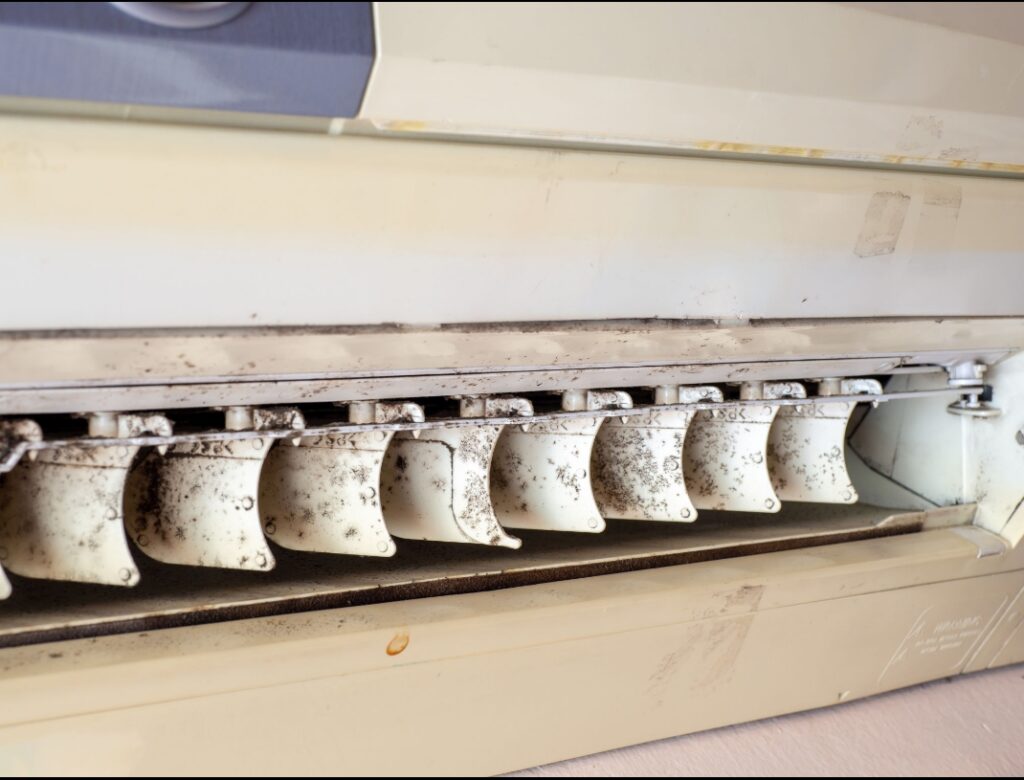
Let’s break this down in plain English. Mold loves three things: moisture, darkness, and time. Guess what an HVAC system provides? All three. Your air handler stays dark, it creates condensation, and it runs almost nonstop in South Florida.
Data from inspections in Pembroke Pines shows mold commonly starts in:
- Air handlers and evaporator coils
- Drain pans and clogged drain lines
- Insulated ductwork near vents
Once mold sets up shop there, every cooling cycle becomes a delivery service for spores. Not exactly the kind of air distribution you signed up for, right?
What the Inspection Data Actually Shows
IMO, this is the part homeowners find most surprising. The data doesn’t show mold spreading randomly. It shows patterns. Very clear ones.
We consistently see:
- Mold appearing in multiple rooms at once
- Odors that move through the house instead of staying in one area
- Mold returning shortly after cleaning
These patterns almost always point back to the HVAC system. Mold doesn’t teleport. The airflow does the work for it.
Condensation: The Silent Mold Starter
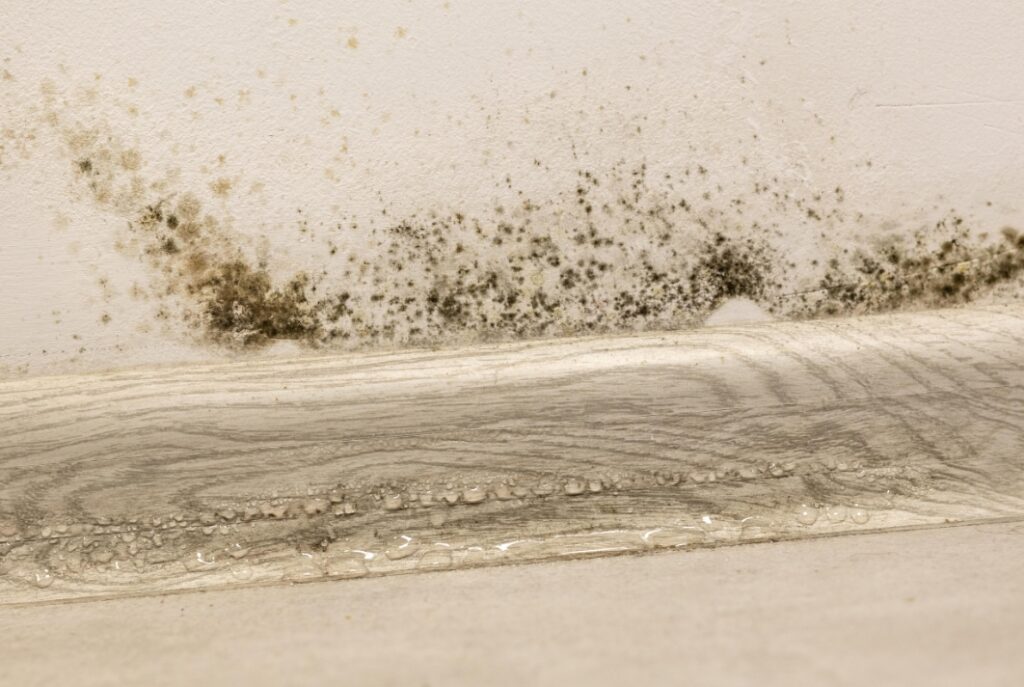
Here’s where things get sneaky. Condensation inside HVAC systems happens naturally. That’s normal. But when that moisture doesn’t drain properly or dry out, mold gets comfortable fast.
Common issues we document include:
- Clogged AC drain lines
- Standing water in drain pans
- Damp insulation inside air handlers
Once moisture sticks around, mold doesn’t hesitate. It moves in, settles down, and starts spreading spores with every AC cycle.
Ductwork Isn’t Always Clean (Sorry)
A lot of homeowners assume ducts stay clean because they’re hidden. Bad assumption. Dust builds up inside ducts, and dust holds moisture like a sponge. Add Florida humidity to the mix, and now mold has both food and water.
We often find mold:
- Near supply vents
- Inside insulated duct sections
- Around poorly sealed duct connections
When airflow pushes through those areas, spores travel fast and far. That’s how a small HVAC mold issue turns into a whole-house problem.
Why DIY Cleaning Doesn’t Stop HVAC Mold
Let’s be honest—scrubbing a vent cover feels productive. But data says it doesn’t fix the real problem. When mold lives inside the system, surface cleaning does basically nothing.
We see this cycle constantly:
- Homeowner cleans visible mold
- HVAC keeps circulating spores
- Mold comes back (sometimes worse)
Without addressing moisture and contamination inside the HVAC system, mold just laughs and waits. 🙂
Humidity Makes Everything Worse
High humidity doesn’t just help mold grow—it helps it spread. Moist air keeps spores airborne longer, which means they travel farther through the duct system.
In Pembroke Pines homes, data frequently shows:
- Indoor humidity staying above recommended levels
- Condensation forming on vents
- Air that feels damp even when it’s cool
When humidity stays high, HVAC mold problems don’t stay small.
The Early Signs Homeowners Miss
Most HVAC mold issues don’t announce themselves loudly. They creep in quietly. The data shows homeowners often ignore early clues.
Watch for:
- Musty smells when the AC turns on
- Mold popping up in different rooms
- Allergy-like irritation that improves outside
If those sound familiar, your HVAC system deserves a closer look.
What Actually Stops Mold From Spreading
Here’s the good news: HVAC mold problems are fixable. The data proves that when homeowners address the real causes, mold stops spreading.
Effective solutions focus on:
- Correcting condensation and drainage issues
- Managing indoor humidity
- Inspecting and treating contaminated HVAC components
- Improving airflow
When moisture disappears, mold loses its advantage. Simple as that.
Why Inspections Matter (Seriously)
Guesswork causes repeat problems. Inspections give clarity. We don’t assume—we measure, inspect, and confirm.
A proper HVAC-focused inspection helps:
- Identify where mold starts
- Stop it from spreading further
- Prevent repeat growth
That saves time, money, and a lot of frustration.
Final Thoughts (Real Talk)
Mold spreading through HVAC systems isn’t rare—it’s common. The data proves it. The good news? Once you understand how it spreads, stopping it becomes much easier.
Homes in deal with humidity year-round, so HVAC systems need attention, not guesses.
If mold keeps coming back or smells follow your AC, trust the data—not the bleach bottle.
