
How Water Damage Turns Into Mold Problems – A Homeowner’s Guide for Homes in
Water damage feels like one of those problems you handle once and forget. You see the leak, dry the area, maybe replace a small section, and move on. But here’s the thing we’ve learned from inspecting homes all over Florida: water damage rarely ends when things look dry. That’s exactly how mold sneaks in and causes problems weeks—or even months—later.
If you’ve ever thought, “We fixed that already, so why is mold showing up now?” you’re not alone. Let’s walk through how water damage quietly turns into mold trouble, without the scare tactics.
Water Damage Doesn’t Have to Be a Disaster to Matter
Most homeowners picture mold following floods or hurricanes. In reality, inspections show mold often starts after very minor water events.
Common triggers we see across Florida homes:
- Slow plumbing leaks
- AC drain line clogs
- Appliance leaks under sinks
- Window or roof leaks after heavy rain
Mold doesn’t need chaos. It needs moisture and time. That’s it.
Dry Surfaces Fool a Lot of People
Here’s where things go wrong. Floors dry fast. Walls feel normal. Everything looks fine. But porous materials don’t play by surface rules.
During inspections, we regularly find moisture:
- Inside drywall
- Behind baseboards
- Under cabinets
- Inside insulation
Once moisture gets trapped, mold gets comfortable. And it doesn’t ask permission.
Why Mold Loves Post-Water-Damage Areas
After water damage, airflow usually drops while humidity stays high. That combo creates the perfect environment for mold growth.
We often find mold:
- Behind freshly repaired drywall
- Under new flooring
- Inside walls near old leaks
Homeowners feel relieved repairs are done. Mold sees an opportunity.
Humidity Turns Small Leaks Into Big Problems
Florida humidity deserves its own spotlight. High humidity slows drying and keeps materials damp longer—even after leaks stop.
Inspection data frequently shows:
- Indoor humidity staying elevated after leaks
- Condensation returning days later
- Air that feels damp despite cooling
When humidity stays high, mold doesn’t need much encouragement.
HVAC Systems Spread Mold After Water Damage
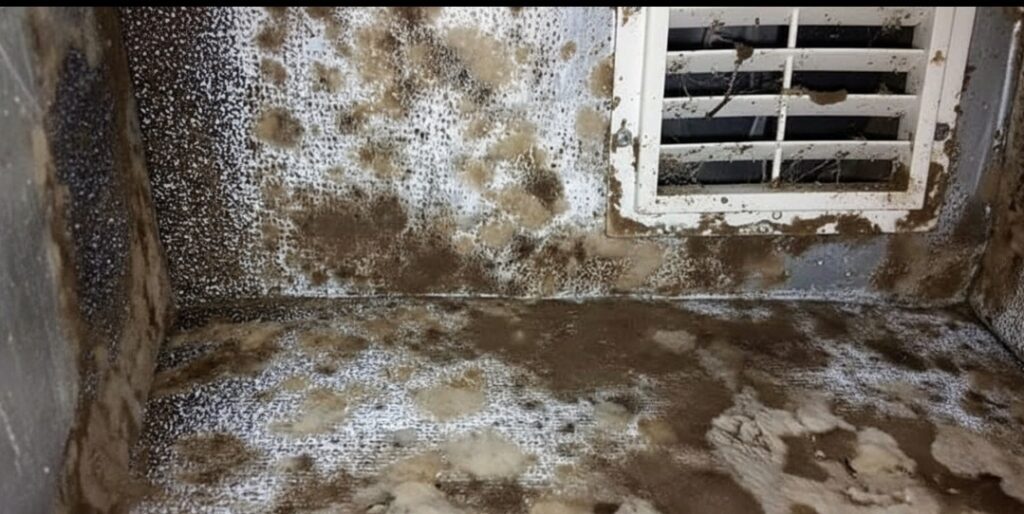
Leaks near HVAC systems cause more trouble than people expect. Once moisture enters an air handler or duct area, mold stops being local.
We commonly uncover:
- Mold near air handlers after leaks
- Damp duct insulation
- Spores circulating through vents
At that point, one leak can affect the whole house.
DIY Drying Helps… But It’s Limited
Fans and dehumidifiers definitely help, but they don’t reach everything. Air dries faster than building materials.
Post-DIY inspections often reveal:
- Moist framing
- Damp insulation
- Early mold growth behind walls
IMO, drying air isn’t the same as drying a structure. Big difference.
Why Mold Shows Up Weeks Later
This is one of the most confusing parts for homeowners. Mold often appears weeks after water damage.
We see mold show up:
- After repairs seem complete
- When humidity spikes again
- Long after the original leak
That delay makes it feel random. It’s not.
What Actually Prevents Mold After Water Damage
The good news? Mold isn’t inevitable. Prevention works when it focuses on the right things.
What experts recommend:
- Moisture detection after leaks
- Complete drying of hidden materials
- Humidity control
- HVAC inspection when leaks occur nearby
When moisture truly leaves, mold doesn’t get a second act.
Why Inspections Matter So Much
Inspections answer the question homeowners really care about: Is everything actually dry?
A proper inspection helps:
- Confirm moisture is gone
- Catch mold early
- Prevent expensive remediation later
Guessing feels cheaper—until mold proves otherwise.
The Cost of Ignoring “Minor” Water Damage
Small water damage feels harmless. Inspection data shows it’s one of the most expensive mistakes homeowners make.
Early action usually means:
- Smaller repairs
- Less disruption
- Lower overall cost
Waiting almost always costs more.
Final Thoughts
Water damage doesn’t automatically cause mold—but ignoring how moisture behaves almost guarantees it. In Florida homes, drying means fully dry, not “looks okay.”
Homes across deal with humidity year-round, so water damage deserves real attention, not assumptions.
If water damage happened, verify moisture is gone before mold decides to move in.
