
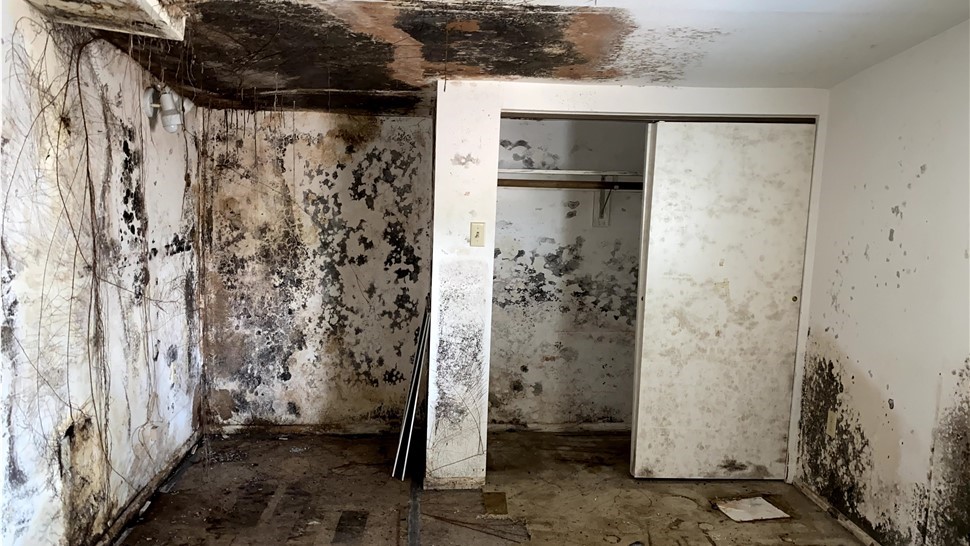
How Water Damage Turns Into Mold Problems – A Homeowner’s Guide for Homes in Hollywood
Water damage is one of the most common—and most misunderstood—problems facing homeowners in Hollywood, Florida. A small leak, a brief roof issue, or a short-term plumbing failure can feel manageable at first. But in South Florida’s warm, humid climate, water damage rarely stays simple. Left untreated, it often becomes a full-blown mold problem that spreads quietly behind walls, under floors, and through HVAC systems.
This guide explains how water damage turns into mold, why it happens so fast in Hollywood homes, and what homeowners can do to stop minor moisture issues from becoming expensive remediation projects.
Why Water Damage Is So Dangerous in Hollywood Homes
Hollywood’s coastal climate creates the perfect environment for mold growth. High humidity, warm temperatures, and frequent storms mean moisture doesn’t evaporate quickly—even after visible water is gone.
Common water damage sources in Hollywood include:
- Roof leaks after heavy rain or hurricanes
- Plumbing leaks inside walls or under sinks
- AC drain line clogs and overflow
- Slab leaks beneath flooring
- Flooding from storms or poor drainage
When moisture enters building materials and isn’t dried properly, mold spores—already present in the air—begin to grow.
The 24–48 Hour Rule Most Homeowners Miss
One of the biggest misconceptions is that mold takes weeks or months to form. In reality, mold can begin growing within 24 to 48 hours after water damage occurs.
Here’s why timing matters:
- Drywall absorbs water quickly
- Wood framing retains moisture
- Carpet padding traps humidity
- Insulation becomes a long-term moisture reservoir
Even if surfaces feel dry, moisture often remains deep inside materials, creating ideal conditions for mold.
How Water Damage Evolves Into Mold Step by Step
Understanding the process helps homeowners recognize early warning signs.
Step 1: Water intrusion
Rain, leaks, or flooding introduce moisture into walls, ceilings, or floors.
Step 2: Hidden moisture retention
Water spreads beyond visible areas into drywall cavities, insulation, and subflooring.
Step 3: Elevated indoor humidity
Trapped moisture raises humidity levels throughout the home.
Step 4: Mold spore activation
Naturally occurring mold spores begin feeding on damp organic materials.
Step 5: Colonization and spread
Mold grows and releases more spores, spreading through air movement and HVAC systems.
By the time visible mold appears, the problem is usually well established.
Why Mold Often Grows Where You Can’t See It
Hollywood homeowners are often surprised when mold is discovered far from the original leak.
Common hidden growth areas include:
- Behind baseboards
- Inside wall cavities
- Under tile or laminate flooring
- Inside air ducts and air handlers
- Above ceilings
Mold doesn’t need light—just moisture and a food source. That’s why water damage that seems “minor” can still cause major issues.
HVAC Systems: The Silent Mold Multiplier
Air conditioning systems play a major role in mold problems after water damage.
When moisture affects:
- Evaporator coils
- Drain pans
- Drain lines
- Duct insulation
Mold can spread throughout the home every time the AC runs. In Hollywood’s year-round cooling season, this exposure can become constant.
Common Signs Water Damage Has Turned Into Mold
Homeowners often miss early clues because they don’t look like mold.
Warning signs include:
- Persistent musty odors
- Allergy symptoms that worsen indoors
- Headaches or respiratory irritation
- Discoloration near baseboards or ceilings
- Warping or bubbling paint
- Repeated AC drain issues
If these appear after water damage—even weeks later—mold is often involved.
Why DIY Drying Isn’t Enough in Many Cases
Fans and dehumidifiers help, but they often fail to address hidden moisture.
Problems with DIY drying include:
- Inability to reach inside walls
- No moisture measurement tools
- Drying the surface but not the structure
- Missing insulation saturation
Without proper drying, moisture remains trapped and mold growth continues silently.
Insurance Claims and the Mold Connection
Many Hollywood homeowners assume insurance will handle mold if it follows water damage. That’s not always the case.
Important realities include:
- Mold coverage is often limited or excluded
- Delayed reporting can reduce coverage
- Failure to mitigate damage can affect claims
Prompt action after water damage is not just about health—it can also protect insurance rights.
Preventing Mold After Water Damage: What Actually Works
Experts agree that prevention depends on speed and thoroughness.
Key steps include:
- Stopping the water source immediately
- Removing wet materials when necessary
- Drying affected areas professionally
- Monitoring moisture levels, not just appearance
- Addressing HVAC components early
Waiting to “see what happens” almost always leads to mold.
Why Hollywood Homes Are Especially Vulnerable
Local factors increase risk:
- High year-round humidity
- Frequent rainstorms
- Older housing stock
- Flat roofs common in South Florida
- Continuous AC use
These conditions mean water damage rarely resolves on its own.
When to Take Action—Not Wait
Homeowners should act quickly if:
- Water damage occurred within the last 72 hours
- Musty smells develop after drying
- Health symptoms appear indoors
- Mold has returned after cleaning
- Moisture sources aren’t clearly identified
Early intervention often prevents full remediation.
Final Thoughts for Hollywood Homeowners
Water damage is never “just water” in Hollywood, Florida. In this climate, moisture almost always leads to mold if it isn’t handled correctly and quickly.
Understanding how water damage turns into mold empowers homeowners to act early, protect indoor air quality, and avoid costly repairs later. The key isn’t panic—it’s awareness, speed, and proper moisture control.
When it comes to water damage in South Florida homes, the real danger isn’t what you can see—it’s what’s happening behind the scenes.
