
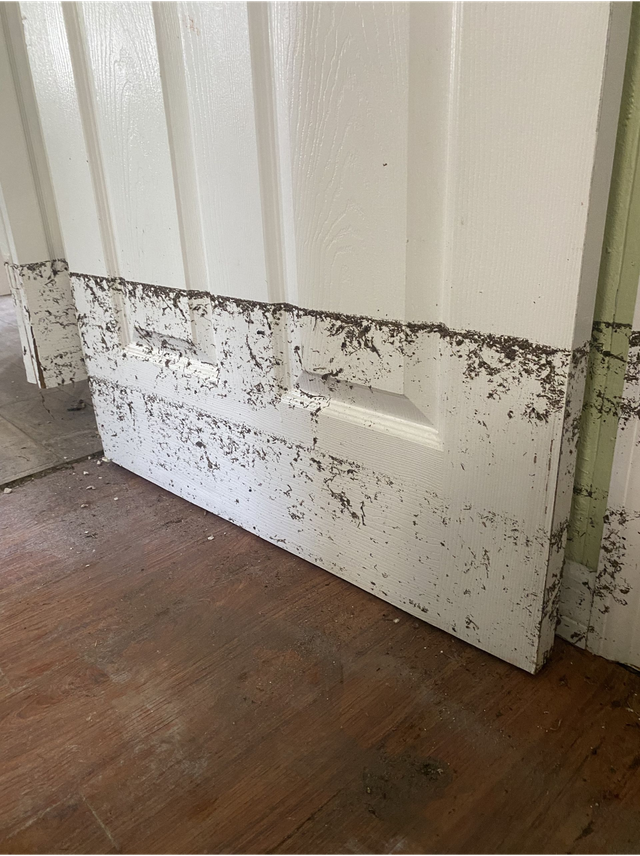
How Water Damage Turns Into Mold Problems – Facts vs Common Myths for Homes in Broward County
Water damage feels obvious. Mold problems don’t. That gap between the two is where most homeowners in Broward County get burned—financially and otherwise. After inspecting a wide range of homes here, the pattern stays consistent: water damage rarely causes immediate mold, but it often creates perfect conditions for mold later.
This guide separates facts from myths using what inspections actually show. No scare tactics. No exaggeration. Just the real mechanics of how water damage quietly becomes a mold problem when timing, moisture, and assumptions collide.
The Core Fact Most People Miss
Water damage doesn’t automatically equal mold. Unmanaged moisture does.
Mold needs:
- Moisture that lingers
- Organic material (drywall, wood, dust)
- Time
If water dries quickly and completely, mold struggles to get started. If moisture stays trapped—even slightly—mold usually follows. That’s the line homeowners miss.
Myth #1: “If I Don’t See Mold Right Away, I’m in the Clear”
Fact: Mold Often Shows Up Late
Visible mold usually appears after moisture already did its damage. In Broward County homes, inspections often find mold weeks or months after the original water event.
Why the delay?
- Moisture hides inside walls and floors
- Surfaces dry faster than materials behind them
- Mold grows where people don’t look
By the time mold becomes visible, it often spread beyond the original wet area.
Myth #2: “It Was Just a Small Leak”
Fact: Small Leaks Cause Big Problems Quietly
Major floods get attention fast. Small leaks don’t.
Slow leaks from:
- Supply lines
- Valves
- AC drain lines
- Roof penetrations
can keep materials damp for long periods without obvious damage. Duration matters more than volume. Inspection data consistently links long-term, low-level moisture to hidden mold growth.
How Water Actually Moves Inside Homes
Gravity Isn’t the Whole Story
Water doesn’t just drip straight down. It:
- Wicks through drywall
- Spreads along framing
- Pools inside insulation
- Moves sideways behind finishes
This is why mold often appears far from the original leak source. Homeowners fix the visible issue and miss the hidden moisture trail.
HVAC Systems Turn Water Issues Into Mold Issues
Condensation Counts as Water Damage
In Broward County, many mold problems trace back to HVAC condensation, not plumbing leaks.
Common HVAC moisture issues include:
- Clogged drain lines
- Rusted drain pans
- Dirty coils holding moisture
- Short cycling that prevents drying
Condensation happens daily. When it doesn’t drain or dry, it becomes a continuous water source that feeds mold.
Ductwork Spreads the Impact
If water damage affects HVAC components or ductwork, mold exposure becomes whole-home.
Airflow:
- Lifts spores
- Distributes them evenly
- Turns a local moisture issue into a system-wide problem
That’s why mold complaints often feel “everywhere” even when the water damage started small.
Myth #3: “We Dried It, So We’re Good”
Fact: Surface Dry ≠ Material Dry
Fans and dehumidifiers help—but timing and access matter.
Inspections often reveal:
- Dry-looking drywall with damp backing
- Flooring that feels dry but traps moisture underneath
- Insulation that never fully dried
If materials don’t dry completely within a short window, mold conditions stabilize. Drying has to reach the material, not just the room.
Why Broward County Homes Face Higher Risk
Humidity Slows Drying
High ambient humidity makes drying harder.
In Broward County:
- Materials dry more slowly
- Moisture lingers longer
- Mold growth windows extend
Homes rarely get natural dry-out periods. That means even minor water damage needs faster, more thorough drying to avoid mold.
Homes Don’t Reset Between Events
One water event may dry partially before the next humid period hits. Moisture stacks. Mold responds to consistency, not drama.
Myth #4: “Insurance Would Cover Mold If It Was a Problem”
Fact: Timing Affects Coverage and Cost
Insurance often covers sudden water damage. Mold coverage varies widely and often depends on how quickly homeowners act.
Delays can:
- Reduce coverage
- Increase out-of-pocket costs
- Expand remediation scope
Regardless of coverage, late action almost always costs more than early moisture management.
Where Inspectors Find Mold After Water Damage
Based on real inspections, mold most often appears:
- Behind drywall near leaks
- Under baseboards
- Beneath flooring
- Inside wall cavities
- Inside HVAC systems
Visible mold usually represents a fraction of the total growth. Hidden areas hold the rest.
Myth #5: “Bleach or Cleaning Solves Post-Water Mold”
Fact: Cleaning Doesn’t Fix Moisture Damage
Cleaning removes visible mold. It doesn’t:
- Dry trapped materials
- Stop condensation
- Address HVAC involvement
- Remove mold roots from porous surfaces
After water damage, cleaning without moisture correction often accelerates recurrence. Mold regrows faster because conditions stayed favorable.
The Timeline That Matters Most
The First 24–48 Hours
This window decides outcomes.
When water damage gets addressed quickly:
- Materials dry before mold establishes
- Removal stays minimal
- Costs stay controlled
When drying gets delayed:
- Mold conditions stabilize
- Hidden growth begins
- Remediation scope expands
Timing—not severity—drives cost.
Why “Waiting to See” Backfires
Homeowners often wait because:
- The damage looks minor
- Life gets busy
- Everything seems fine
During that wait:
- Moisture migrates
- Mold establishes roots
- HVAC systems spread spores
By the time symptoms or odors appear, water damage already turned into a mold problem.
Health Complaints Often Follow the Timeline
After water damage, long-term exposure often leads to:
- Persistent congestion
- Coughing indoors
- Headaches or fatigue
- Allergy flare-ups
These symptoms rarely appear immediately. They build gradually as exposure continues—another reason homeowners miss the connection.
What the Data Says Actually Prevents Mold After Water Damage
Across Broward County inspections, outcomes improve when homeowners:
- Dry materials thoroughly and quickly
- Remove wet porous materials when needed
- Address HVAC moisture issues
- Control indoor humidity consistently
- Inspect hidden areas after leaks
FYI, none of these require panic—just speed and follow-through.
Facts vs Myths, Summed Up
Myth: Small leaks don’t matter
Fact: Duration matters more than size
Myth: Dry surfaces mean the problem’s over
Fact: Hidden materials often stay wet
Myth: Mold shows up right away
Fact: Mold often appears weeks later
Myth: Cleaning fixes post-water mold
Fact: Moisture control fixes it
Myth: Waiting saves money
Fact: Waiting almost always costs more
Lessons From Real Homes in Broward County
Across inspections, one lesson repeats: water damage becomes a mold problem when moisture stays active longer than homeowners expect.
Homes that act quickly rarely need extensive remediation. Homes that delay often face larger projects, longer timelines, and higher costs. The difference isn’t luck. It’s understanding how water behaves in this climate.
IMO, most mold problems feel surprising only because the cause happened weeks earlier and got underestimated.
Practical Steps Homeowners Can Take After Water Damage
Right after any water event:
- Dry affected areas aggressively
- Check behind walls and under floors
- Monitor indoor humidity
- Inspect HVAC components
- Don’t assume “looks dry” means “is dry”
These steps prevent small water issues from turning into mold problems.
Final Thoughts: Water Damage Isn’t the Enemy—Unmanaged Moisture Is
Water damage doesn’t doom a home to mold. Unmanaged moisture does. Homes in Broward County face high humidity, slow drying, and HVAC systems that amplify exposure when moisture sticks around.
When homeowners replace myths with facts and act early, water damage stays a repair—not a remediation. Ignore the timeline, and water quietly turns into a mold problem that costs far more than anyone expected.
