
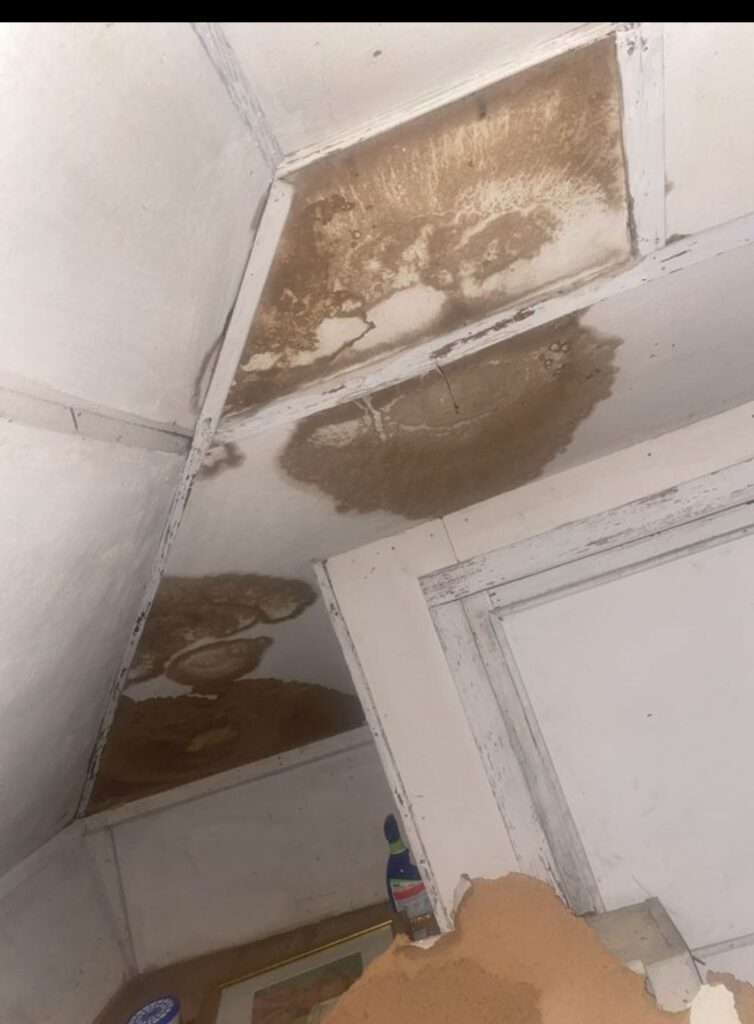
How Water Damage Turns Into Mold Problems – Facts vs Common Myths for Homes in
Water damage scares homeowners in Deerfield Beach—but what causes the real trouble is what people think they know about it. We hear the same myths over and over during inspections, and honestly, they’re the reason mold problems sneak up later. Water damage doesn’t have to be dramatic to cause mold, and drying what you can see doesn’t mean the problem is gone. Let’s clear up the confusion without the fear tactics.
Myth: Only Flooding Causes Mold
Fact: Small leaks cause just as many mold problems
Big floods grab attention. Small leaks quietly do damage. Inspections in Deerfield Beach show mold starting after:
- Minor plumbing leaks
- AC drain line backups
- Window leaks after storms
- Appliance leaks under cabinets
Mold doesn’t care about drama. It cares about moisture and time.
Myth: If It Looks Dry, It Is Dry
Fact: Hidden materials hold moisture long after surfaces dry
Dry floors and walls feel reassuring—but they lie. Porous materials absorb moisture and release it slowly.
During inspections, we often find moisture:
- Inside drywall
- Behind baseboards
- Under cabinets
- Inside insulation
Mold grows where moisture lingers, not where it’s visible.
Myth: Mold Shows Up Right Away
Fact: Mold often appears weeks later
This one frustrates homeowners the most. Mold doesn’t always pop up immediately after water damage.
Experts frequently see mold:
- Two to four weeks after a leak
- After repairs look “complete”
- When humidity rises again
That delay makes people think mold came out of nowhere. It didn’t.
Myth: Fans and Dehumidifiers Fix Everything
Fact: DIY drying misses hidden moisture
Fans help. Dehumidifiers help. They don’t reach inside walls or insulation.
Post-DIY inspections often reveal:
- Damp framing
- Wet insulation
- Mold forming behind repaired areas
IMO, DIY drying handles air—not building materials. Big difference.
Myth: New Paint Prevents Mold
Fact: Paint hides stains, not moisture
Fresh paint makes homeowners feel accomplished. Mold feels patient.
We regularly find mold:
- Behind freshly painted drywall
- Under “mold-resistant” paint
- Behind new cabinets
Paint doesn’t stop moisture, and moisture always wins.
Myth: Humidity Doesn’t Matter After a Leak
Fact: Humidity slows drying and fuels mold
Deerfield Beach humidity makes water damage harder to resolve. High humidity keeps materials damp longer—even after leaks stop.
Inspections often show:
- Elevated indoor humidity
- Condensation returning days later
- Damp air despite cooling
Humidity turns small leaks into mold-friendly conditions.
Myth: HVAC Systems Aren’t Affected
Fact: Water damage near HVAC spreads mold fast
Leaks near air handlers or ducts allow moisture into the system. Once that happens, mold doesn’t stay put.
Experts often find:
- Mold near air handlers after leaks
- Damp duct insulation
- Spores circulating through vents
HVAC involvement turns local problems into whole-house issues.
What Actually Prevents Mold After Water Damage
Here’s the practical advice experts agree on:
- Detect hidden moisture
- Dry materials completely
- Control indoor humidity
- Inspect HVAC systems when leaks occur nearby
When moisture truly leaves, mold doesn’t get a second chance.
Why Inspections Matter More Than Assumptions
Inspections answer the question homeowners really want answered: Did everything actually dry?
A professional inspection helps:
- Confirm moisture is gone
- Catch early mold growth
- Prevent expensive remediation later
Guessing feels cheaper—until mold proves otherwise.
The Cost of Believing Myths
Inspections consistently show the same pattern. Homes that rely on myths pay more later.
Early action usually means:
- Smaller repairs
- Less disruption
- Lower costs
Waiting lets mold spread quietly and expensively.
Final Thoughts
Water damage doesn’t automatically mean mold—but believing the wrong things about it often leads there. In Deerfield Beach homes, moisture needs real attention, not assumptions.
Homes in deal with humidity year-round, so drying means fully dry, not “looks okay.”
